
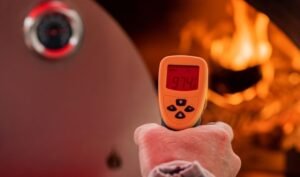
Have you ever noticed your gas grill getting way hotter than you expected? It can be frustrating when your food cooks too fast on the outside but stays raw inside.
You might wonder why this keeps happening and how to fix it. Understanding why your gas grill gets too hot can save your meals and make grilling more enjoyable. Keep reading to discover the simple reasons behind the heat spikes and easy tips to take control of your grill’s temperature every time you cook.
Common Causes Of Excess Heat
Gas grills can get too hot for several reasons. Knowing these causes helps you fix the problem quickly. Excess heat can burn your food or damage the grill.
Here are common causes of too much heat on your gas grill. Understanding these helps you keep your grill safe and working well.
Blocked Or Dirty Burners
Burners can get blocked by grease, dirt, or food bits. When burners are clogged, gas flow changes and creates hot spots. These spots make the grill too hot in certain areas.
Cleaning burners regularly stops blockages. Check the holes on the burners and clear any debris. This keeps heat even and safe.
- Remove and brush burners gently
- Use a pipe cleaner for small holes
- Clean grease trays to avoid flare-ups
Improper Ventilation
Grills need good airflow to burn gas safely. If vents are blocked or closed, heat builds up inside. This causes the grill to get too hot quickly.
Make sure vents are open and clear. Proper ventilation lets heat escape and keeps the grill temperature balanced.
- Keep side and bottom vents open
- Remove anything blocking airflow
- Check vents for rust or damage
Faulty Regulator
The regulator controls gas flow from the tank to the grill. A bad regulator can let too much gas pass through. This causes the grill to become hotter than normal.
If your grill heats too fast or unevenly, the regulator may need replacing. Always use the right type for your grill model.
- Test the regulator for leaks or damage
- Replace if gas flow is too high
- Use a compatible regulator for your grill
Incorrect Gas Pressure
Gas pressure that is too high makes flames bigger and hotter. Too low pressure causes weak flames and uneven heat. Incorrect pressure can damage your grill or food.
Check your gas pressure with a gauge. Adjust or fix the gas supply to keep pressure at the correct level.
- Use a gas pressure gauge for testing
- Adjust pressure with a regulator if needed
- Contact a professional if unsure about pressure

Credit: ddrbbqsupply.com
Signs Your Grill Is Overheating
Your gas grill can get too hot during cooking. This can cause problems with your food and the grill parts. It is important to know the signs of overheating.
Watching for these signs helps you fix the heat issue early. This keeps your grill working well and your food tasting great.
Flare-ups And Flames
Flare-ups happen when fat or oil drips into the flame. This causes sudden bursts of high flames. Too many flare-ups mean your grill is too hot.
High flames can burn food and make cooking unsafe. They also increase the risk of fire damage to your grill.
- Large flames that jump above the grill grate
- Constant popping or crackling sounds
- Burn marks on food from uncontrolled flames
Burnt Food
Food that burns quickly or has black spots shows your grill is too hot. Overheating cooks the outside too fast but leaves the inside raw.
Burnt food tastes bad and wastes ingredients. It also means you need to lower the grill temperature or adjust cooking time.
- Black or charred spots on meat or vegetables
- Food cooks unevenly or too fast on one side
- Smoke or burnt smell during cooking
Damaged Grill Components
High heat can damage parts inside your grill. Burned or melted pieces show the grill is overheating. This can cause your grill to break.
Look for warped grates, cracked burners, or melted knobs. These signs mean your grill needs repair or cleaning to cool down.
- Warped or bent cooking grates
- Cracked or rusted burner tubes
- Melted or discolored control knobs
How To Check Your Gas Grill
Knowing how to check your gas grill helps keep it safe and working well. This guide covers key parts you should inspect.
Focus on burners, the regulator, and gas connections to find why your grill gets too hot.
Inspecting Burners And Ports
Burners and ports control the flame size on your grill. Dirt or damage can cause high heat.
- Remove the grates and heat shields to see the burners clearly.
- Look for rust, cracks, or holes in the burners.
- Check if the ports are clogged with grease or debris.
- Clean the ports gently with a wire brush or a toothpick.
- Replace any damaged burners before using the grill again.
Testing The Regulator
The regulator controls gas flow to your grill. A bad regulator can cause too much gas and high heat.
| Test Method | What to Do | What It Means |
| Visual Inspection | Check for cracks or damage on the regulator body. | Damage means replace the regulator. |
| Leak Test | Apply soapy water to connections and watch for bubbles. | Bubbles show a gas leak that needs fixing. |
| Flame Test | Turn on the grill and watch the flame size and color. | Large, yellow flames suggest regulator problems. |
Examining Gas Connections
Gas connections link your tank to the grill. Loose or damaged parts can cause excess heat.
- Turn off the gas supply before checking connections.
- Look for cracks, wear, or rust on hoses and fittings.
- Use soapy water on connections to check for leaks.
- Tighten any loose fittings with a wrench.
- Replace any damaged hoses or connectors immediately.

Credit: bbqhouse.shop
Fixing Overheating Issues
Gas grills can get too hot for several reasons. This can cause food to burn or cook unevenly. Fixing these issues helps you grill safely and enjoy better results.
Below are key ways to stop your gas grill from overheating. Each method focuses on simple fixes and checks you can do at home.
Cleaning And Maintenance Tips
Cleaning your grill is important to keep heat levels steady. Old grease and food bits can block vents and burners.
- Remove and clean grill grates after each use
- Clear grease traps and drip pans regularly
- Use a brush to clean burners and remove clogs
- Check air vents to make sure they are open and clean
Adjusting Gas Flow
Too much gas causes flames to get too hot quickly. Adjusting the gas flow can fix this problem.
| Gas Control | Effect |
| High Gas Flow | Overheats grill, burns food |
| Low Gas Flow | Flames too small, cooks slowly |
| Proper Gas Flow | Steady heat, even cooking |
Turn the gas knob slowly to find the right flame size. Check your grill’s manual for gas pressure settings.
Replacing Faulty Parts
Old or broken parts can cause your grill to overheat. Common parts to check are burners and regulators.
Look for these signs of faulty parts:
- Burners with holes or rust spots
- Regulator that smells like gas or leaks
- Thermometer giving wrong heat readings
- Control knobs that don’t adjust flame
Replace these parts with new ones to fix overheating issues.
Preventing Future Overheating
Keeping your gas grill from getting too hot is important for safe cooking. Overheating can cause damage to the grill and affect food taste.
Follow simple steps to keep your grill at the right temperature every time you use it.
Regular Cleaning Schedule
Clean your grill regularly to remove grease and food buildup. This helps air flow and prevents flare-ups that cause overheating.
- Scrape the grill grates after each use
- Empty the grease trap weekly
- Wipe down burners and interior monthly
- Check for blockages in burner tubes
Proper Storage Practices
Store your grill in a dry place to avoid rust and damage. Cover it with a grill cover to protect from dust and rain.
| Storage Tip | Reason |
| Keep grill covered | Protects from weather damage |
| Store in shaded area | Prevents overheating from sun |
| Disconnect fuel supply | Prevents leaks and fire hazards |
| Clean before storage | Stops buildup and corrosion |
Using The Right Fuel
Use the recommended fuel type for your gas grill. Using wrong or poor-quality fuel can cause high heat and unsafe conditions.
- Use propane or natural gas as specified by the manufacturer
- Do not mix different fuel types
- Check for leaks before lighting the grill
- Store fuel tanks upright and away from heat

Credit: ddrbbqsupply.com
Frequently Asked Questions
Why Does My Gas Grill Get Too Hot Quickly?
Your gas grill can get too hot quickly due to blocked vents or high gas pressure. Clean vents and check regulator settings to prevent overheating and maintain safe cooking temperatures.
Can Dirty Burners Cause My Gas Grill To Overheat?
Yes, dirty burners restrict gas flow, causing uneven flames and excess heat. Regularly clean burners to ensure proper gas distribution and avoid overheating your grill.
Does Incorrect Propane Tank Affect Grill Temperature?
Using the wrong propane tank or a nearly empty one can cause inconsistent heat. Always use the correct tank size and check fuel levels for stable grilling temperatures.
How Do I Control Heat On An Overheating Gas Grill?
Adjust the grill’s control knobs to lower the flame. Use indirect heat by moving food away from direct flames to prevent burning and overheating.
Conclusion
A gas grill getting too hot can ruin your cooking. Check your burners and vents for blockages. Adjust the flame to control the heat level. Clean your grill regularly to avoid grease buildup. Use the right tools to measure temperature accurately.
Understanding your grill helps you cook better meals. Keep an eye on the heat while grilling. Enjoy safe, tasty food every time you use your gas grill.