
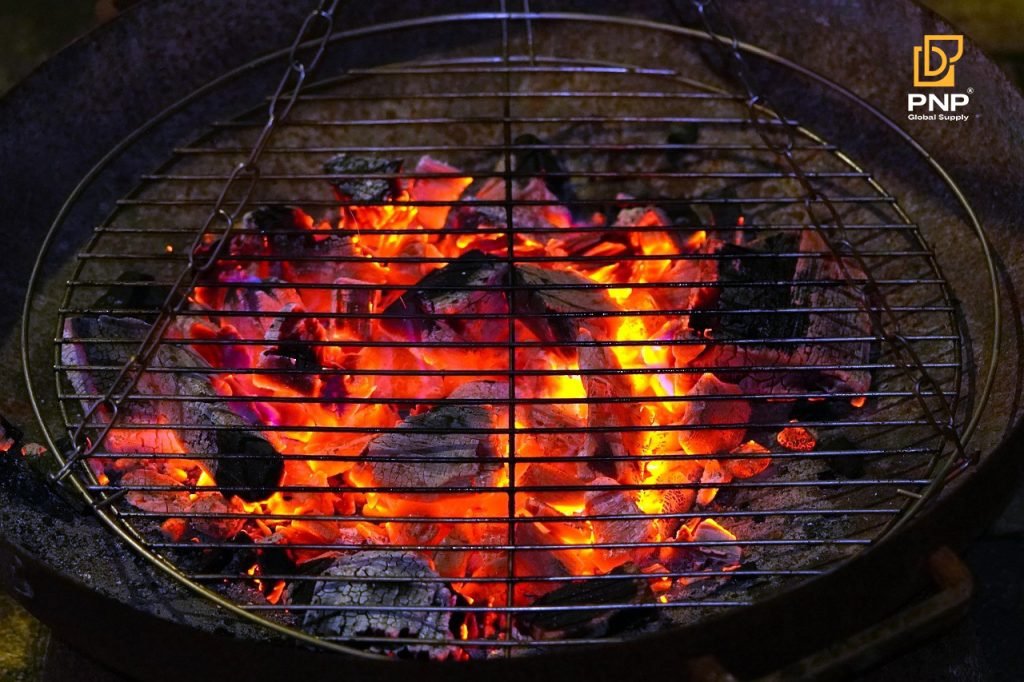
Have you ever fired up your charcoal grill, only to have the flames suddenly die out just when your food is about to cook? It’s frustrating, right?
Understanding why your charcoal grill flame goes out can save you time, keep your food cooking perfectly, and make your grilling experience much more enjoyable. You’ll discover the common reasons behind flameouts and simple tips to keep your grill burning strong every time you fire it up.
Keep reading—you’ll never have to deal with a flameout surprise again!

Credit: www.youtube.com
Common Causes Of Flame Out
Charcoal grills can lose their flame during cooking. This problem can stop your meal and cause frustration.
Several reasons cause a charcoal grill flame to go out. Knowing these helps you keep your grill burning.
Insufficient Airflow
Air is needed to keep charcoal burning. Without enough air, the flame will die quickly.
Blocked vents or closed dampers reduce airflow. Open vents fully to allow oxygen to reach the coals.
Damp Charcoal Issues
Wet or damp charcoal does not catch fire easily. Moisture stops the charcoal from burning well.
- Store charcoal in a dry place.
- Use a sealed container to keep moisture out.
- Avoid using charcoal that has been left outside in rain.
Overloading The Grill
Putting too much charcoal in the grill can block air from reaching the flames. This causes the fire to go out.
| Overloading Problems | Effect on Fire |
| Too many coals piled up | Blocks airflow |
| Charcoal stacked tightly | Stops oxygen flow |
| Heavy ash build-up | Smothers flames |
Grease And Debris Build-up
Grease and food bits collect in the grill. These block air vents and can cause flame out.
Keep your grill clean by:
- Removing old ashes and grease after each use
- Cleaning vents to allow proper airflow
- Scraping off stuck food particles
Impact Of Weather Conditions
Charcoal grills can stop burning because of weather. Weather changes how fire behaves outdoors. Knowing this helps keep the grill burning well.
Wind, humidity, rain, and temperature all affect charcoal flames. These conditions can cause the fire to die out or burn unevenly.
Wind Effects
Strong wind blows out the charcoal flame quickly. It moves the heat away from the grill. Wind also spreads ashes that can block air flow.
- Wind lowers the temperature of the fire.
- It reduces the oxygen around the charcoal.
- Wind can scatter hot coals and ashes.
- High wind makes lighting the grill harder.
Humidity And Rain
Wet air from humidity or rain slows charcoal burning. Water cools the coals and stops them from glowing. Damp charcoal is hard to light and keep lit.
| Condition | Effect on Charcoal |
| High Humidity | Slows burning, lowers heat |
| Light Rain | Extinguishes flames, cools coals |
| Heavy Rain | Soaks charcoal, stops burning |
Temperature Fluctuations
Cold weather cools the charcoal fast. This makes the fire smaller and weak. Warm weather helps charcoal burn steady and hot.
| Temperature | Charcoal Performance |
|---|---|
| Below 40°F (4°C) | Fire burns slowly, hard to keep lit |
| 40°F to 70°F (4°C to 21°C) | Normal burning, steady flames |
| Above 70°F (21°C) | Charcoal lights easily, strong flames |
Charcoal Quality And Type
Charcoal grills can lose their flame if the charcoal used is not right. The quality and type of charcoal affect how well it burns. Good charcoal helps keep the fire strong and steady.
Different charcoals burn differently. Knowing the differences can help you avoid your grill flame going out.
Natural Vs. Briquette Charcoal
Natural charcoal is made from pure wood. It burns hotter and cleaner but can burn faster. Briquette charcoal is made from compressed wood pieces and other materials. It burns longer and more evenly.
Natural charcoal flames can go out quickly if not arranged well. Briquettes hold their shape and burn steady, which helps keep the flame alive.
- Natural charcoal: hot, fast-burning, cleaner
- Briquette charcoal: steady, longer burning, consistent heat
- Use the right type for your grilling needs
Moisture Content
Wet charcoal will not burn well. Moisture in charcoal stops it from lighting quickly. It also causes the flame to die out fast.
Dry charcoal lights easily and keeps the fire strong. Always check if the charcoal feels dry before using it.
- Wet charcoal is hard to light
- Moist charcoal causes smoke and weak flames
- Dry charcoal burns hotter and longer
Storage Practices
How you store charcoal affects its quality. Keep charcoal in a dry place to stop it from absorbing moisture. Avoid storing it on the ground or in damp areas.
Proper storage keeps charcoal ready to light. Use airtight containers or bags to protect it from rain and humidity.
- Store charcoal in a dry, cool place
- Use sealed containers to keep moisture out
- Keep charcoal off the ground to avoid dampness
Grill Design And Maintenance
Charcoal grills can flame out for many reasons. Proper grill design and regular maintenance help keep the fire strong. Understanding key parts of the grill helps you avoid flame problems.
Pay attention to how your grill is made and how often you clean it. Small details like vents and worn parts affect how well your charcoal burns.
Vent Placement And Function
Vents control airflow inside the grill. Good airflow keeps charcoal burning hot and steady. Poor vent placement can cause the flame to die out.
- Bottom vents bring oxygen to the charcoal.
- Top vents let smoke and heat escape.
- Both vents must work together for proper airflow.
- Blocked vents reduce oxygen and kill the flame.
- Adjust vents to control heat and flame size.
Cleaning Frequency
Cleaning your grill often prevents ash build-up. Ash can block vents and stop air from reaching the charcoal. This causes the flame to go out.
| Cleaning Task | Frequency |
| Remove ashes | After every use |
| Clean vent openings | Weekly during grilling season |
| Scrub grates | After every few uses |
| Check for rust | Monthly |
Wear And Tear On Components
Old grills may have damaged parts. Cracked vents or rusted components stop the grill from working well. Replace worn parts to keep the flame alive.
Signs of wear to watch for:
- Rusty or broken vent covers
- Loose or missing screws
- Cracked or warped grill body
- Damaged charcoal grate
- Worn seals on lids or doors
Tips To Prevent Flame Outs
Charcoal grill flames can go out unexpectedly. This ruins cooking and wastes charcoal. Knowing how to avoid flame outs helps keep your grill hot and ready.
Simple habits and good care can stop your charcoal flame from dying. Use these tips to keep your fire burning strong.
Proper Charcoal Preparation
Start with good charcoal that lights easily. Avoid wet or old charcoal that smokes without burning well. Arrange charcoal in a pile to help air reach all pieces.
Let the charcoal burn until it is covered with white ash before cooking. This means the fire is hot and stable.
- Use dry, fresh charcoal
- Stack charcoal loosely for airflow
- Wait for white-gray ash before grilling
Managing Airflow Efficiently
Air helps charcoal burn by feeding oxygen to the fire. Open vents and dampers allow air to flow. Close vents too much and the fire may die out.
Adjust vents to keep a steady flame. If the fire is weak, open vents more. If it is too hot or flares up, close vents slightly.
- Keep vents open enough for airflow
- Adjust vents to control flame size
- Clear ashes that block vents
Safe Lighting Techniques
Light charcoal safely using approved starters like chimney starters. Avoid using too much lighter fluid, which can cause flare-ups or flame outs.
Start the fire slowly and let it build. Rushing with too much flame or fuel can smother the fire and cause it to go out.
- Use a chimney starter for even lighting
- Add lighter fluid sparingly if needed
- Light charcoal gradually for steady fire
Regular Grill Upkeep
Clean your grill often. Remove ash and leftover charcoal after each use. Ash build-up blocks airflow and causes flame outs.
Check the grill vents and hinges for rust or damage. Fix problems to keep air flowing and the grill working well.
- Empty ash after every cook
- Inspect and clean vents regularly
- Repair or replace damaged parts
Credit: randolphfire.com
Credit: globalticltd.co.uk
Frequently Asked Questions
Why Does My Charcoal Grill Flame Suddenly Die?
Charcoal grill flames can die due to lack of oxygen or damp charcoal. Proper airflow and dry charcoal are essential to maintain flames.
How Do Wind And Weather Affect Charcoal Grill Flames?
Wind can blow out flames by disrupting airflow. Rain or humidity dampens charcoal, causing flames to extinguish quickly.
Can Using Too Much Lighter Fluid Cause Grill Flames To Die?
Excess lighter fluid can create flare-ups but may also smother flames once it evaporates, leading to flameouts.
How Does Charcoal Quality Impact Grill Flame Longevity?
Low-quality or wet charcoal burns unevenly and extinguishes faster. High-quality, dry charcoal ensures consistent, long-lasting flames.
Conclusion
Charcoal grill flames go out for several simple reasons. Lack of air, wet charcoal, or too much ash can stop the fire. Keeping charcoal dry and adding air helps flames last longer. Cleaning ash often keeps air flowing well. Watching the fire closely helps you fix problems fast.
Knowing why flames die makes grilling easier and more fun. Keep these tips in mind for better cooking every time.