

Have you ever wondered why carving knives are so thin compared to other kitchen knives? If you’ve struggled with slicing meat or turkey smoothly, the answer lies in the design of the knife itself.
A thin carving knife isn’t just a style choice—it’s a smart feature that makes your cutting easier, cleaner, and more precise. Keep reading to discover why this simple detail can transform your cooking experience and help you serve perfect slices every time.
Credit: www.templemtnwoodcraft.com
Thin Blade Design
The thin blade designof carving knives helps make clean, precise cuts. Thin blades reduce the resistancewhen slicing through meat or vegetables. This design allows for better controland less effort.
Material choicesaffect blade thinness. High-quality steel can be made thinner without losing strength. Some knives use stainless steel for durabilityand sharpness. Others use carbon steel for easy sharpeningand edge retention.
| Blade Thickness | Effect |
|---|---|
| Thin (1-2 mm) | Offers precise cuts, less resistance |
| Medium (2-3 mm) | Good balance of strength and sharpness |
| Thick (3+ mm) | Stronger but harder to make fine cuts |

Credit: www.amazon.com
Precision In Slicing
Carving knives are thin to allow for precise slicingand better control. The thin blade helps to make clean, controlled cutswithout tearing the meat. This control keeps the food’s shape and texture intact.
Thicker knives can crush or mash the food, but a thin blade glides smoothly. This is important for serving neat, attractive slices.
- Thin bladereduces resistance during cutting.
- Controlled cutsprevent damage to the food.
- Helps maintain the food’s original juicesand flavor.
Effortless Cutting Experience
Carving knives are thin to allow for reduced resistancewhen cutting. A thinner blade moves through meat or vegetables more smoothly. This helps in making clean, precise cutswithout tearing the food.
The thin design also offers ergonomic benefits. It requires less force, which means your hand and wrist don’t get tired quickly. This makes carving easier and more comfortable, especially during long meals or cooking sessions.
- Less effort:Thin blades slide easily through food.
- Better control:Thin knives allow more precise slicing.
- Comfort:Less strain on hands and wrists.
Comparing Carving Knives To Other Knives
Carving kniveshave a very thin bladecompared to other knives. This thinness helps make clean, precise cutsin cooked meat without tearing. It also reduces resistance while slicing.
| Knife Type | Blade Thickness | Main Use | Blade Shape |
|---|---|---|---|
| Carving Knife | Thin | Slicing cooked meat | Long, narrow, flexible |
| Chef’s Knife | Thicker | Chopping, dicing, mincing | Wide, curved |
| Utility Knife | Medium thickness | General cutting tasks | Straight, small |
- Chef’s knivesare thicker and heavier for tough tasks.
- Utility knivesare smaller and thicker for everyday use.
- Carving knives focus on precision and smooth slicing.
Care And Maintenance
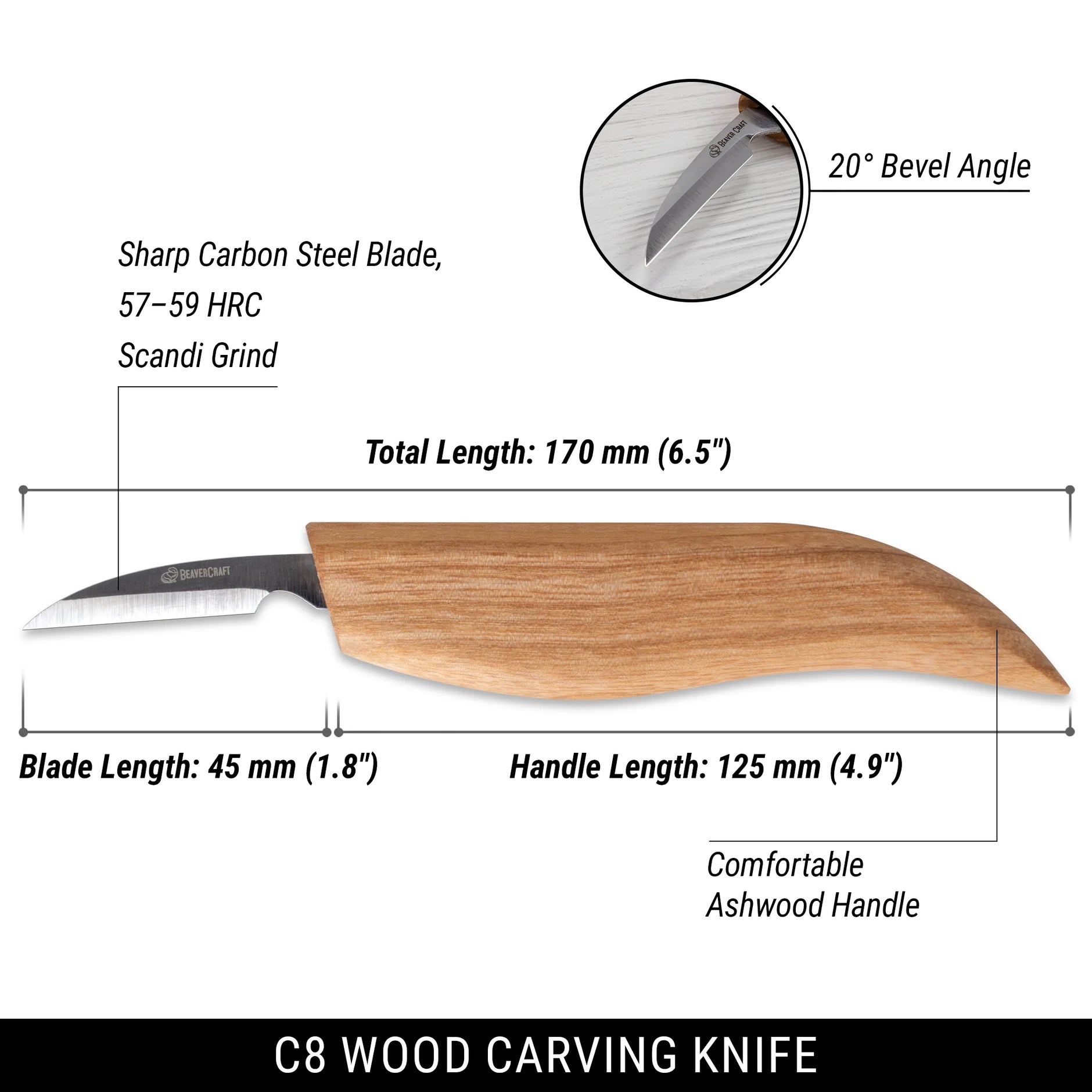
Keeping carving knives sharp is very important. Use a sharpening stone or a honing rod. Move the blade at a 15-20 degree angle. Repeat a few times on each side. This keeps the edge thin and precise. Avoid using electric sharpeners that can damage thin blades.
Store knives safely to keep them sharp and avoid damage. Use a knife block, magnetic strip, or blade guards. Never put knives loose in a drawer. This prevents dulling and accidents. Keep knives dry to stop rust and corrosion.
Credit: beavercrafttools.com
Frequently Asked Questions
Why Are Carving Knives Designed To Be Thin?
Carving knives are thin to allow precise, clean cuts through meat. Thin blades reduce resistance and prevent tearing. This design helps maintain the meat’s texture and presentation, making slicing easier and more efficient.
How Does Thinness Improve Carving Knife Performance?
Thin blades offer better control and accuracy. They slice smoothly without crushing the meat fibers. This ensures even, attractive slices while minimizing waste and effort during carving.
Are Thin Carving Knives Better For All Meats?
Thin carving knives excel with tender meats like turkey and roast beef. However, tougher meats might require thicker blades for durability. Choosing the right thickness depends on the meat type and cutting needs.
Does A Thin Blade Affect Carving Knife Durability?
Thin blades can be more delicate and prone to bending. Proper care and sharpening keep the blade effective and durable. Using the knife for its intended purpose extends its lifespan.
Conclusion
Carving knives are thin for a reason. Thin blades make precise cuts. This precision enhances your cooking experience. Thin knives slice meat smoothly and reduce waste. They also require less effort. This makes them user-friendly, even for beginners. Choosing the right knife improves your kitchen skills.
It ensures meals look and taste better. Remember, a thin knife is a smart choice. It combines efficiency with ease of use. So, enjoy better cooking with the right carving knife. Your culinary journey will surely benefit.