
Have you ever wondered why carving knives are noticeably longer than your average kitchen knife? It’s not just a random design choice.
The length of a carving knife serves a specific purpose that could change the way you look at your culinary tools forever. Imagine slicing through your favorite roast or a juicy turkey with ease, each slice perfectly uniform and smooth.
The secret lies in the length of the blade. But that’s not all—understanding the reasons behind this design could actually elevate your cooking experience. Curious to discover how a longer carving knife can transform your kitchen skills? Keep reading to uncover the fascinating reasons that make this tool an essential part of your culinary arsenal.
Design Of Carving Knives
The blade lengthof carving knives is usually long to allow smooth, even cuts. A longer blade helps slice through large meats easily without sawing. Its thin, narrow shapereduces resistance, making cuts clean and precise.
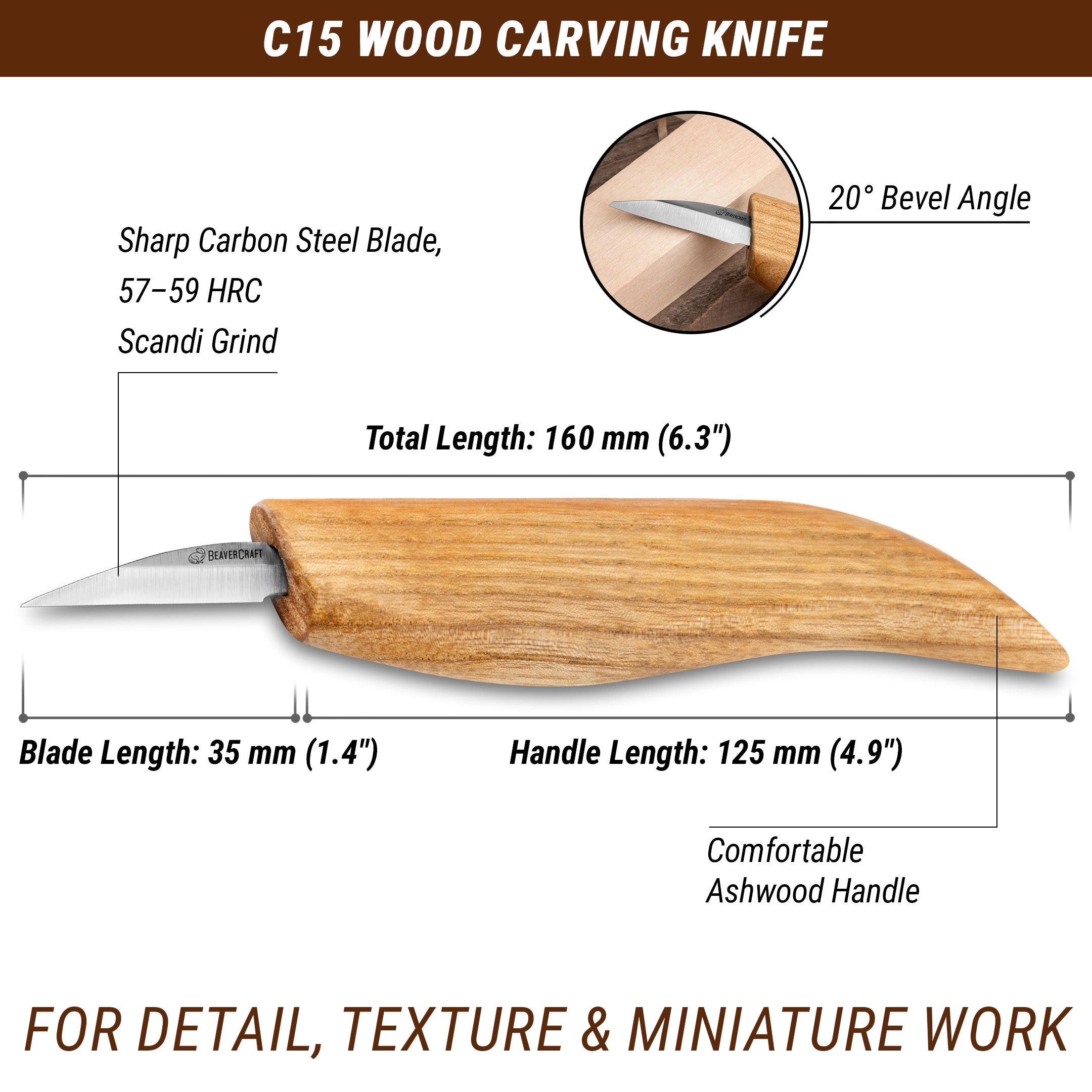
Handles are made to fit comfortably in the hand for better control. Ergonomic handlesreduce hand fatigue during long carving sessions. They often have a slightly curved shape for a natural grip. Materials like wood or soft plastic improve comfort and prevent slipping.
Credit: beavercrafttools.com
Benefits Of A Long Blade
Long blades allow smooth, even cuts, making carving easier and more precise. They help slice through meat or vegetables without tearing or uneven edges. This length also provides better control and reach during cutting tasks.
Smooth, Even Slices
A long blade allows for smooth, even sliceswithout much effort. It glides through meat or vegetables easily, making cutting more precise. The length helps cover more surface, so fewer cuts are needed. This results in neat slices that look good on any plate.
Reduced Cutting Effort
A longer blade reduces the force needed to cut. It spreads the pressure over a larger area, so cutting feels easier. This means less strain on your hand and wrist. You can cut through larger pieces without much effort or discomfort.
Precision Cutting Techniques
Long carving knives offer better controlover each cut. The length helps guide the blade smoothly through meat or poultry.
This design allows for clean, thin sliceswithout tearing. It gives the user the ability to cut with precision and ease.
Using a long blade reduces the need for sawing motions. This means less damage to the meat, keeping it juicy and tender.
Sharp, long knives also make it easier to follow the natural shape of the meat. This improves accuracy and presentation.
Credit: lsirish.com
Comparing Carving Knives To Other Blades
Carving knivesare longer and thinner than chef’s knives. This design helps cut thin, even slices of meat. Chef’s knives are shorter and wider. They are good for chopping and dicing vegetables and meat. The length of a carving knife allows smooth, long strokes. This reduces tearing of meat fibers and keeps slices neat.
Slicing kniveslook similar to carving knives but often have a more flexible blade. They are best for slicing cooked meats, fish, and poultry. The blade length helps make precise cuts. Carving knives tend to be stiffer for better control on larger cuts of meat.
| Knife Type | Blade Length | Blade Flexibility | Best Use |
|---|---|---|---|
| Carving Knife | Long (8-15 inches) | Stiff | Cutting large roasts, poultry |
| Chef’s Knife | Medium (6-10 inches) | Stiff | Chopping, slicing, dicing |
| Slicing Knife | Long (8-14 inches) | Flexible | Slicing cooked meats, fish |
Materials And Sharpness
Carving knivesuse special steel typesto keep their edge sharp. Common steels include stainless steel, known for rust resistance, and high-carbon steel, which holds a sharper edge longer. Each steel type offers a balance between durabilityand ease of sharpening.
Maintaining a carving knife’s edge is key to its performance. Regular honingwith a steel rod realigns the blade edge. Occasional sharpeningwith a whetstone restores a dull blade. Proper care extends the knife’s lifeand keeps cuts clean and precise.
Choosing The Right Carving Knife
Blade lengthaffects control and ease while carving. Longer blades, usually 8 to 12 inches, help make smooth and even slices. Shorter blades offer better control for small cuts but may struggle with large roasts.
Choosing the right blade length depends on what you carve most often. Large meats like turkey or roast beef need longer blades. For small meats or vegetables, shorter blades work well.
| Budget Range | Knife Features | Ideal Use |
|---|---|---|
| Low | Basic steel, simple handle | Occasional use, small meals |
| Medium | Better steel, comfortable grip | Regular cooking, larger meats |
| High | High-quality steel, ergonomic design | Frequent use, professional cooking |

Credit: www.amazon.ca
Frequently Asked Questions
Why Are Carving Knives Longer Than Regular Knives?
Carving knives are longer to create smooth, even slices. The length helps cut through meat without tearing. It ensures precise, thin slices, enhancing presentation and texture.
How Does Length Improve Carving Knife Performance?
Long blades allow steady, controlled strokes. This reduces the need for multiple cuts, preserving the meat’s moisture and flavor. It also improves slicing accuracy and speed.
What Foods Benefit From Long Carving Knives?
Long carving knives excel with roasts, turkey, ham, and large cuts. They glide through dense meat easily, making slicing effortless and uniform.
Can A Short Knife Replace A Long Carving Knife?
Short knives lack the reach for smooth slicing. They require more effort and may tear meat. Long carving knives are designed specifically for clean, efficient cuts.
Conclusion
Carving knives are long to help cut meat smoothly and evenly. Their length allows slicing through large pieces without sawing back and forth. This makes the process easier and keeps the meat looking nice. A longer blade also helps keep your hands safe from the food.
Understanding why carving knives are long can help you choose the right tool. It makes cooking more enjoyable and efficient. Next time you carve meat, notice how the knife’s length works for you. Simple but important!