
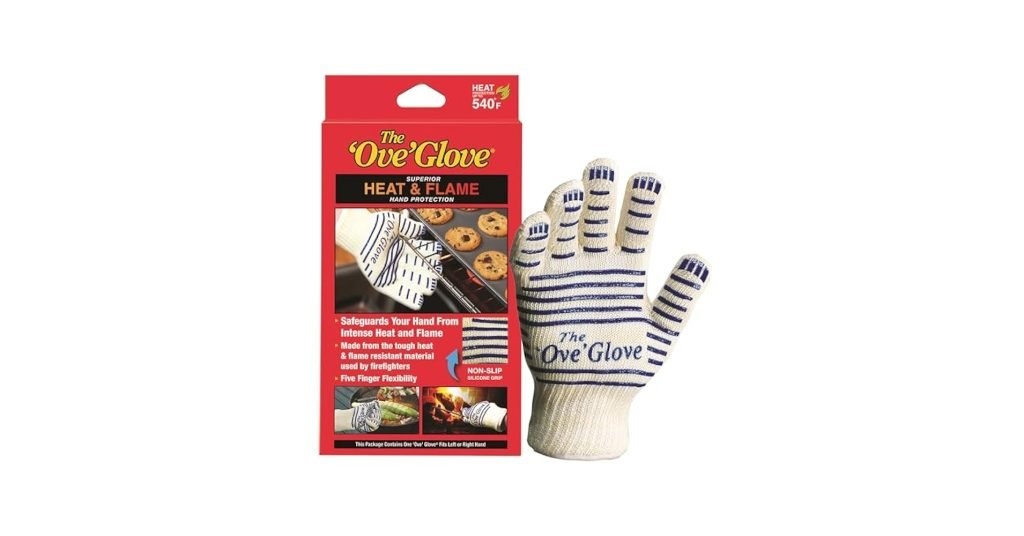
When you’re working in the kitchen, the right gloves can make all the difference between a safe cooking experience and a painful burn. But with so many options out there, how do you know which gloves are best for oven use?
You want something that protects your hands, feels comfortable, and lets you handle hot dishes with confidence. Keep reading, and you’ll discover exactly what to look for to find the perfect oven gloves that match your needs—and keep your hands safe every time you cook.

Credit: www.amazon.com
Types Of Oven Gloves
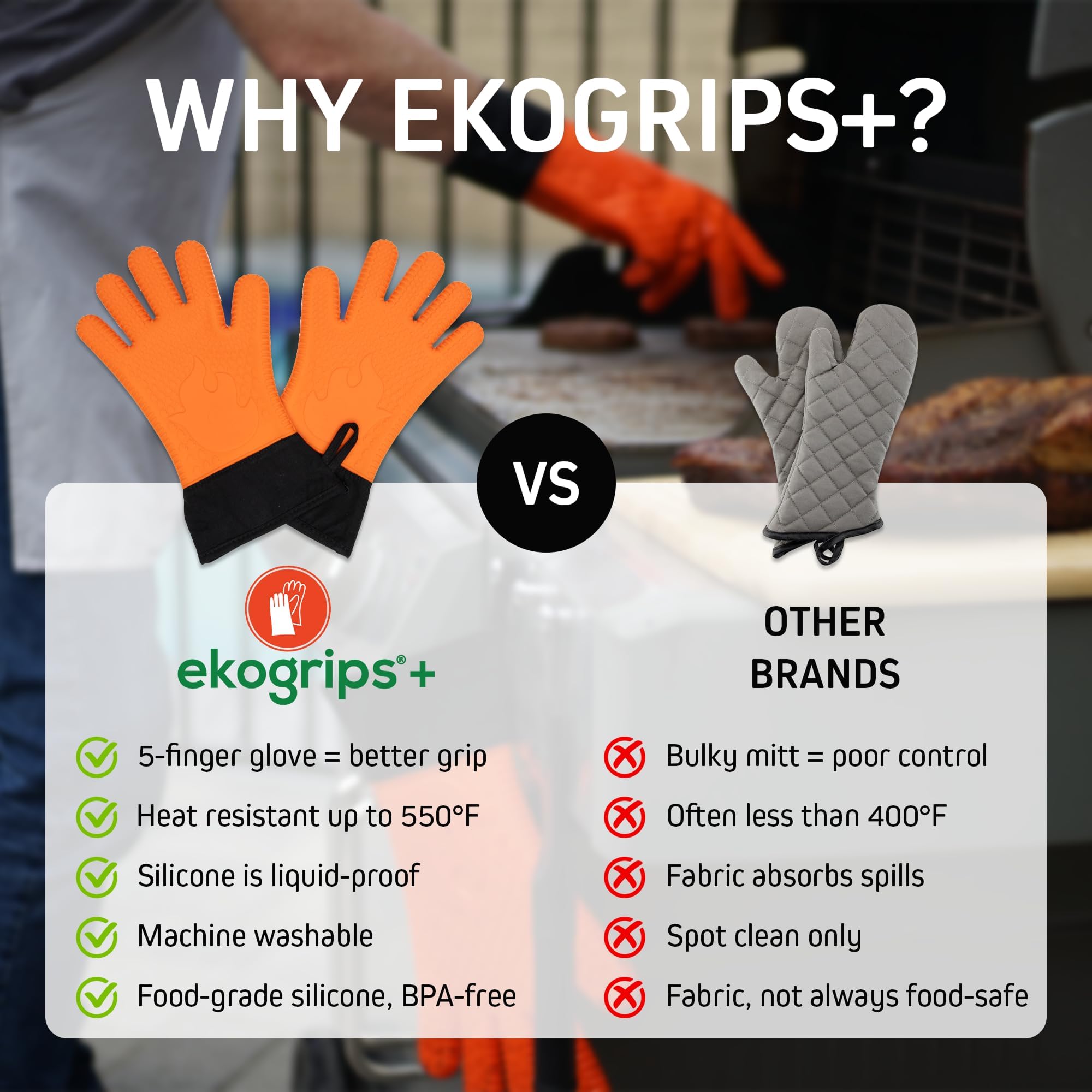
Silicone glovesare popular for oven use. They resist heat well and are easy to clean. Their non-slip texture helps hold hot dishes safely. These gloves are flexible but thick enough to protect hands from burns.
Fabric glovesoffer comfort and breathability. Usually made from cotton or quilted materials, they are soft but less heat-resistant. Best for short oven tasks. They may soak up heat quickly and get dirty easily.
Leather glovesprovide strong heat protection and durability. They are good for handling very hot pans or grills. These gloves last long but can be stiff and less flexible. Leather also resists cuts and scrapes well.
Aramid fiber glovesuse advanced materials like Kevlar. They resist very high heat and flames. Perfect for heavy cooking or professional kitchens. These gloves are lightweight, strong, and offer great protection but cost more than others.

Credit: www.amazon.com
Key Features To Consider
Heat resistanceis the top factor for oven gloves. They must protect your hands from high temperatures. Look for gloves that can handle at least 400°F (204°C). Some gloves use special materials like silicone or aramid fibers for better heat protection.
Grip and dexteritymatter a lot when handling hot trays or pans. Gloves with textured surfaces help you hold items firmly without slipping. Thin gloves offer better movement but less heat protection, while thick gloves protect more but can be bulky.
Comfort and fitensure safe use and ease of movement. Gloves that fit snugly and allow finger movement reduce accidents. Breathable fabrics prevent sweaty hands and make wearing gloves longer easier.
Durability and maintenanceaffect long-term use. Choose gloves that resist wear and tear. Easy-to-clean materials like silicone or machine-washable fabrics save time. Well-made gloves last longer and keep their heat resistance after washing.
Top Heat-resistant Oven Gloves
Top heat-resistant oven glovesprotect hands from burns. They must handle high temperatures safely. Comfort and grip also matter for safe cooking.
| Type | Features | Best Use |
|---|---|---|
| Best Overall Choice | Thick insulation, flexible, long cuffs | Everyday kitchen tasks |
| Best Budget Option | Basic heat resistance, simple design | Light cooking and baking |
| Best for Heavy-Duty Use | Extra padding, durable material | Handling hot trays or grills |
| Best for Precision Handling | Thin, flexible, good grip | Picking small items safely |
Safety Tips For Oven Glove Use
Proper glove care helps keep your hands safe while cooking. Always check glovesfor holes or tears before use. Clean gloves regularly with mild soap and water. Avoid using harsh chemicals that can damage the material. Store gloves in a dry, cool place away from heat sources.
Common hazards include slipping, burns, and contamination. Make sure gloves fit well to prevent slipping. Avoid touching hot surfaces longer than the glove’s heat limit. Keep gloves away from sharp objects that can cause cuts. Do not use wet gloves to handle hot items; wet material can cause burns.
| When to Replace Gloves | Signs |
|---|---|
| After frequent use | Material becomes thin or worn out |
| After visible damage | Holes, tears, or burns appear |
| When gloves lose heat resistance | Heat passes through easily |
Credit: www.amazon.com
Frequently Asked Questions
What Materials Are Best For Oven Gloves?
Silicone and thick cotton with heat-resistant lining are best. Silicone offers excellent heat protection and grip. Cotton gloves provide comfort and insulation but should have thermal layers for better safety.
How Heat-resistant Should Oven Gloves Be?
Oven gloves should withstand at least 400°F (204°C). This ensures protection during most cooking and baking tasks. Higher resistance improves safety for longer oven use or handling hot cookware.
Can Oven Gloves Protect Against Steam Burns?
Quality oven gloves with tight weaves and silicone layers can reduce steam burns. However, always handle hot items carefully, as steam can penetrate some materials, causing burns.
Are Longer Oven Gloves Better For Protection?
Longer gloves protect wrists and forearms from heat and splashes. They are ideal for deep oven racks or grills. Choose length based on your cooking needs for enhanced safety.
Conclusion
Choosing the right oven gloves is crucial for safety. Cotton gloves offer comfort but less heat resistance. Silicone gloves protect from higher temperatures and are easy to clean. Leather gloves provide durability and a firm grip. Assess your needs before deciding.
Consider heat resistance, comfort, and grip. Each material has unique benefits. Remember, safety comes first. Pick the gloves that suit your cooking style. Always use caution when handling hot items. Make your kitchen experience safe and enjoyable. Your hands will thank you.
Stay safe, and happy cooking!