
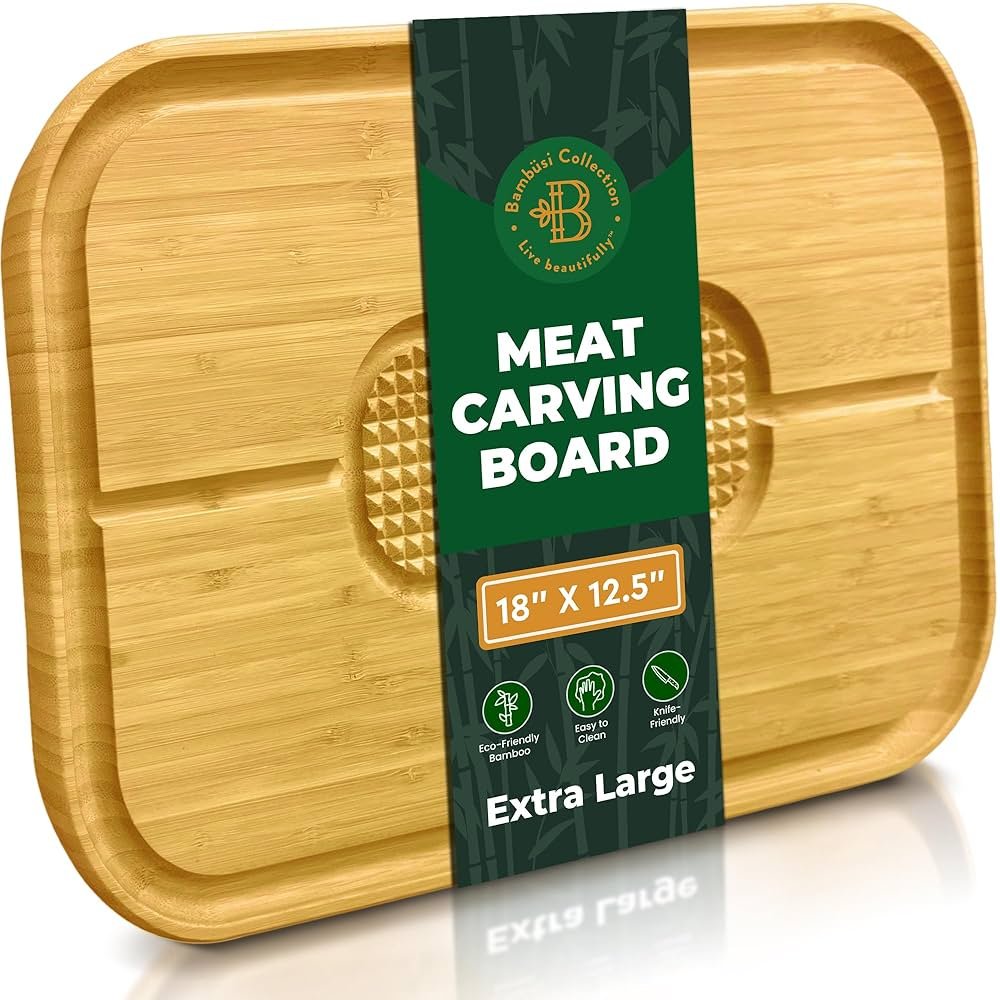
Choosing the right cutting board for meat is more important than you might think. It’s not just about having a surface to chop on; it’s about ensuring safety, maintaining flavor, and making your cooking experience smoother.
Imagine slicing into a juicy steak, only to realize your cutting board is leaving marks or, worse, harboring bacteria. Frustrating, right? This guide will help you avoid that. We’ll dive into the best options for cutting boards specifically designed for meat, ensuring you make the right choice for your kitchen.
Stick around to discover which board keeps your food safe and your cooking effortless.
Types Of Cutting Boards
Wooden and plastic cutting boards are common choices for meat. Plastic boards are easier to clean and less likely to hold bacteria. Wooden boards are gentle on knives but need careful maintenance to stay safe.
Wooden Boards
Wooden boardsare gentle on knives and last long. They absorb juices, which can cause stains and smells. Regular oiling helps keep them in good shape. They look classic and are easy to clean with soap and water.
Plastic Boards
Plastic boardsare lightweight and cheap. They do not absorb juices, so they are safer for raw meat. Dishwasher safe for easy cleaning. They can get knife marks, which may harbor bacteria over time.
Bamboo Boards
Bamboo boardsare harder than wood and resist cuts well. They are eco-friendly and lightweight. Not good for dishwashers; wash by hand. They need regular oiling to avoid cracks.
Composite Boards
Composite boardsare made from wood fibers and resin. They handle heat and knives well. Dishwasher safe and very durable. They do not absorb liquids easily, making them good for meat.

Credit: www.amazon.ca
Durability Factors
Resistance to knife marksis very important for a cutting board used with meat. Harder materials like bamboo or plastic can handle cuts better. Softer boards, like wood, may show marks faster but are gentler on knives.
Longevity and weardepend on the board’s material and thickness. Thicker boards last longer. Some materials can crack or warp over time if wet often.
Maintenance requirementsvary by board type. Wooden boards need regular oiling to avoid drying out. Plastic boards can be washed easily in a dishwasher. Proper cleaning helps avoid bacteria buildup.
Safety Considerations
Bacterial resistanceis key for a safe cutting board. Choose boards made from materials that do not absorb juices easily. Plastic and bamboo boards often resist bacteria better than soft wood. Regular cleaning is vital to avoid germs.
Ease of cleaninghelps keep your cutting board safe. Smooth surfaces clean well with soap and water. Avoid boards with deep grooves where bacteria can hide. Some boards are dishwasher-safe, which adds extra cleanliness.
- Non-slip featuresprevent accidents while cutting meat.
- Look for rubber edges or textured bottoms.
- Stable boards reduce the risk of slipping and injury.
Best Cutting Boards For Meat
Wooden cutting boardsare gentle on knives and last long. They absorb juices, which helps keep meat fresh. Look for hardwoods like maple or walnut. These woods resist deep cuts and bacteria. Remember to clean and oil them often to avoid cracking.
Plastic boardsare easy to clean and dishwasher safe. They do not absorb juices, so they are hygienic. Choose polyethylene or polypropylenetypes for durability. Plastic boards are light and perfect for raw meat.
Bamboo boardsare eco-friendly and harder than most woods. They resist moisture well and do not warp easily. Bamboo is naturally antibacterial but may dull knives quicker than wood.
| Type | Features | Best For |
|---|---|---|
| Composite | Made from resin and wood fibers; very durable | Heavy use, dishwasher safe, knife-friendly |
| Resin | Non-porous and stain-resistant | Raw meat and easy cleaning |
Tips For Cutting Board Care
Cleaning techniquesare key to keep cutting boards safe. Use hot water and soap immediately after cutting meat. Avoid soaking wooden boards for too long to prevent warping. For extra cleaning, sprinkle salt and rub with lemon. This helps remove stains and odors. Plastic boards can go in the dishwasher if the label says so.
Proper storagekeeps boards dry and clean. Store boards upright to air dry completely. Avoid stacking wet boards, which can cause bacteria growth. Keep wooden boards away from direct sunlight to stop cracking.
When to replacecutting boards matters for safety. Replace boards if deep cuts or grooves form. These can hold harmful bacteria. Also, replace if the board smells bad or looks worn out. Using a damaged board risks food safety.
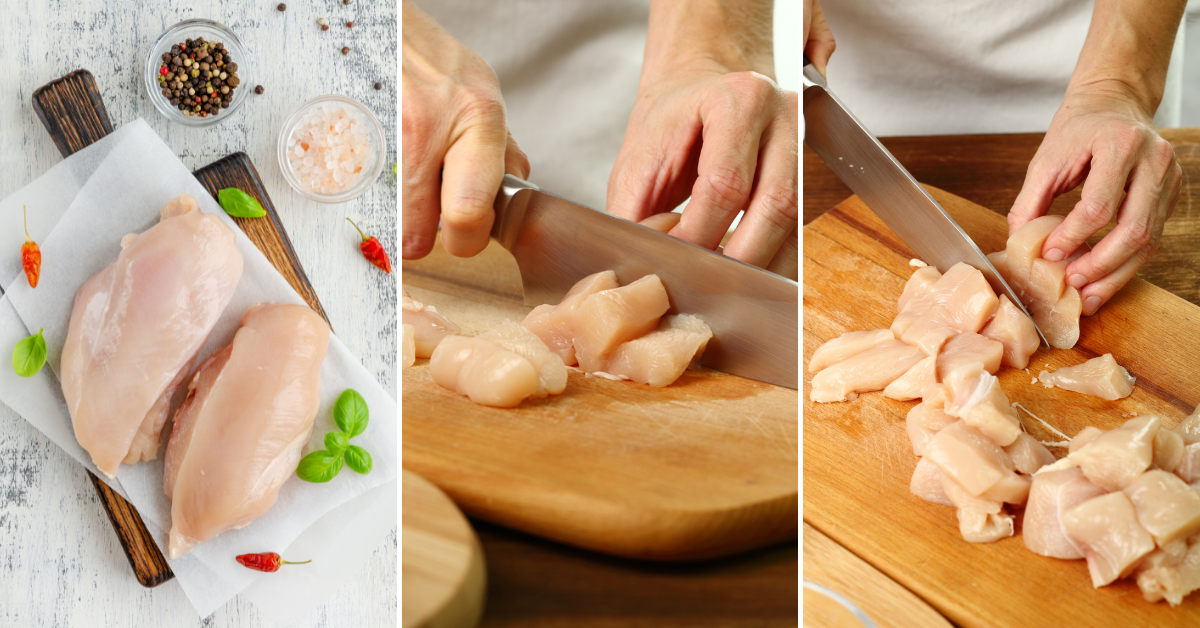
Credit: cookingpanda.com
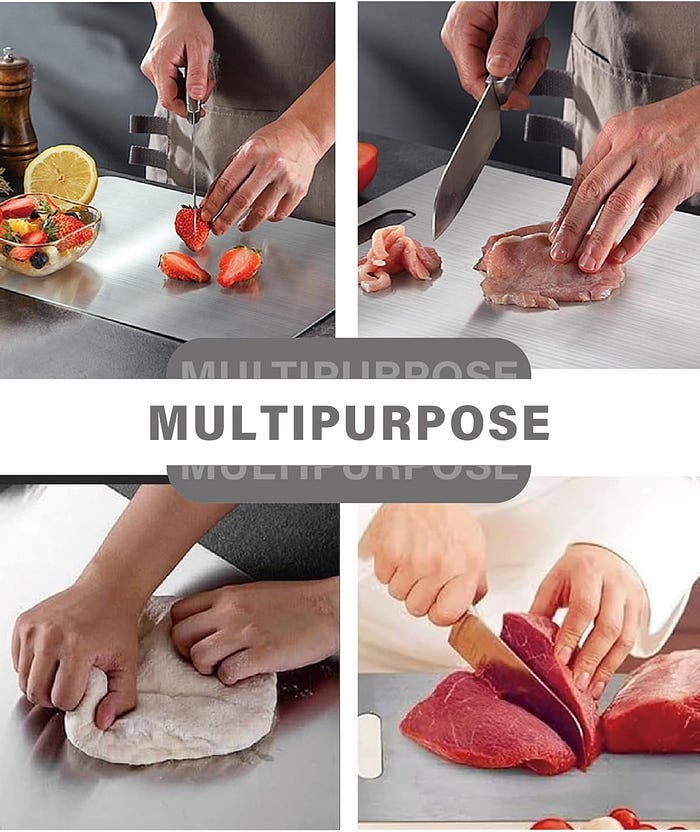
Credit: medium.com
Frequently Asked Questions
What Material Is Best For Meat Cutting Boards?
Wood and plastic are the top choices for meat cutting boards. Wood is durable and self-healing, reducing bacteria buildup. Plastic boards are easy to clean and dishwasher safe. Both materials can be sanitized effectively to ensure food safety.
How To Prevent Cross-contamination On Meat Cutting Boards?
Use separate cutting boards for raw meat and other foods. Clean boards thoroughly with hot, soapy water after each use. Sanitize regularly with a bleach solution or vinegar. This practice reduces the risk of harmful bacteria spreading.
Are Wooden Cutting Boards Safe For Raw Meat?
Yes, wooden cutting boards are safe if properly maintained. They naturally resist bacteria and can be cleaned well. Avoid soaking wood boards and oil them regularly to prevent cracking and warping.
Can Plastic Cutting Boards Harbor Bacteria?
Plastic boards can harbor bacteria if not cleaned properly. They are non-porous, which makes washing easier. Replace plastic boards when deep grooves appear, as bacteria can hide in cuts.
Conclusion
Choosing the right cutting board makes cooking safer and easier. Wood boards are gentle on knives and last long. Plastic boards are easy to clean and good for raw meat. Remember to keep boards separate for meat and vegetables to avoid germs.
Regular cleaning helps keep your kitchen healthy. Think about your budget and how often you cook. Pick a board that fits your needs and feels good to use. A good cutting board makes meal prep smooth and safe.