

Are you ready to elevate your grilling game to the next level? Whether you’re a backyard BBQ enthusiast or a seasoned pitmaster, understanding which charcoal burns hotter can transform your cooking experience.
Imagine the perfect sear on a steak or the juicy tenderness of a perfectly smoked brisket. The secret lies not just in your grilling skills but also in choosing the right charcoal. We’ll dive into the science of charcoal, unraveling which types offer the most heat, ensuring your next cookout is unforgettable.
Stick around, and discover how the right choice can make all the difference in achieving culinary excellence with every grill session.

Credit: www.reddit.com
Types Of Charcoal
Lump charcoalis made by burning wood in low oxygen. It burns hotter and faster. It produces less ash and gives a natural smoky flavor.
Briquettes are made from compressed sawdust and other fillers. They burn longer but at a lower temperature. Briquettes produce more ash than lump charcoal.
| Type | Origin | Burn Temperature | Ash Production | Flavor |
|---|---|---|---|---|
| Lump Charcoal | Natural wood | Hotter and faster | Less ash | Smoky, natural |
| Briquettes | Manufactured | Lower, longer burn | More ash | Mild, less smoky |
Natural charcoalcomes from pure wood. It burns cleaner and hotter. Manufactured charcoalincludes additives. It may burn slower but with more smoke and ash.
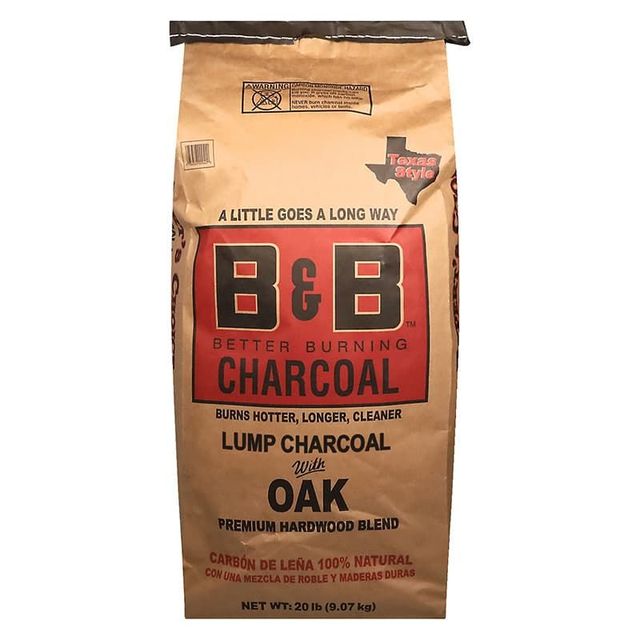
Credit: www.bbcharcoal.com
Heat Output Comparison
Different types of charcoal burn at different temperatures. Lump charcoal can reach higher heat, often between 1300°F to 1700°F. Briquettes usually burn lower, around 1100°F to 1300°F. This affects how hot your fire gets and how fast it cooks food.
Charcoal that retains heat well keeps cooking longer. Lump charcoal has a shorter heat retentionbecause it burns faster. Briquettes burn slower and hold heat for a longer time. This makes briquettes better for long cooking sessions.
Ignition speed is important for quick fires. Lump charcoal lights fasterdue to its porous nature. Briquettes take a bit more time to catch fire because they are compressed and often have additives.
Factors Affecting Charcoal Heat
Wood sourceaffects charcoal heat. Hardwoods like oak and hickory burn hotter than softwoods. Quality matters too. Dense, dry wood creates better charcoal with higher heat output.
Charcoal size and shapeplay a role. Larger chunks burn slower but produce steady heat. Smaller pieces ignite quickly but cool down fast. Uniform shapes help airflow, which aids burning.
Airflow and ventilationare key. More oxygen makes the fire hotter. Good ventilation helps charcoal burn evenly. Too little air causes smoke and weak heat. Too much air can burn charcoal too fast.
Best Charcoal For High-heat Grilling
Lump charcoalburns hotter and cleaner than briquettes. It is made from hardwood chunks. It lights fast and reaches high temperatures quickly. Many grillers prefer lump charcoal for searing steaksand grilling vegetables.
| Brand | Type | Burn Time | Heat Level |
|---|---|---|---|
| Royal Oak | Lump Charcoal | Long | High |
| Fogo | Lump Charcoal | Medium | Very High |
| Jealous Devil | Lump Charcoal | Long | High |
- Briquettesburn steady and last long.
- They contain additives for consistent heat.
- Good for slow cooking and smoking.
- Binchotanis a Japanese white charcoal. It burns very hot and clean.
- It is expensive but lasts long.
- Great for delicate flavors and precise cooking.
Techniques To Boost Charcoal Heat
Arrange charcoal in a pile to allow air to flow freely. This helps the coals burn hotter and longer. Spread them out too much, and the fire loses heat quickly.
Using a chimney starter lights charcoal evenly and fast. Place newspaper under the chimney, fill it with charcoal, and light the paper. Hot air rises, making coals glow redin 10-15 minutes.
Adding small pieces of wood to charcoal adds both flavor and extra heat. Use hardwood like oak or hickory for best results. Keep wood pieces small for quick burning.
Safety Tips For High-heat Grilling
Handling hot charcoal requires care and attention. Use long-handled tools to move the charcoal safely. Avoid touching charcoal with bare hands to prevent burns.
Fire management is key to a safe grill session. Keep a spray bottle of water nearby to control small flare-ups. Never leave the grill unattended while burning charcoal. Ensure charcoal is fully cooled before disposal.
- Wear heat-resistant glovesto protect hands.
- Use an apron to shield clothing from sparks.
- Wear closed-toe shoes to protect feet from hot coals.

Credit: www.reddit.com
Frequently Asked Questions
Which Charcoal Type Burns Hottest For Grilling?
Lump charcoal burns hotter than briquettes. It is natural wood with no additives. This makes it ideal for high-heat grilling and searing meat quickly.
How Long Does Charcoal Stay Hot During Cooking?
Charcoal typically stays hot for 1 to 3 hours. Lump charcoal burns faster but hotter, while briquettes last longer with steady heat.
Are Hardwood Lump Charcoals Hotter Than Charcoal Briquettes?
Yes, hardwood lump charcoal burns hotter because it is pure wood. Briquettes contain fillers and burn at a lower, consistent temperature.
Does Charcoal Size Affect Burning Temperature?
Yes, smaller charcoal pieces ignite and burn hotter quickly. Larger pieces burn slower and provide longer, more consistent heat.
Conclusion
Choosing the right charcoal affects how hot your fire burns. Lump charcoal burns hotter and faster than briquettes. Briquettes burn longer but with less heat. Your cooking style and time matter most in this choice. Try both types to see which works best for you.
Good charcoal helps cook food evenly and quickly. Keep these facts in mind for better grilling results. Fire up your grill with the right charcoal and enjoy great meals every time.