
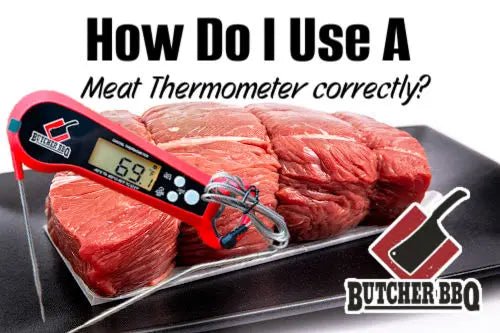
Cooking a beef roast to perfection is an art, and getting it just right can elevate your meal to a whole new level. But how do you ensure it’s cooked to the ideal temperature without cutting into the meat and releasing those precious juices?
The answer lies in using a meat thermometer correctly. If you’ve ever wondered exactly where to insert a thermometer in a beef roast, you’re not alone. It’s a common question with a simple solution that can transform your cooking experience.
In this guide, we’ll show you precisely where to place that thermometer to achieve the perfect roast, helping you impress your family and friends with every mouth-watering slice. Stick around, and you’ll discover the secret to a perfectly cooked beef roast that guarantees compliments and satisfied smiles at the dinner table.
Credit: thermapen.co.uk
Choosing The Right Thermometer
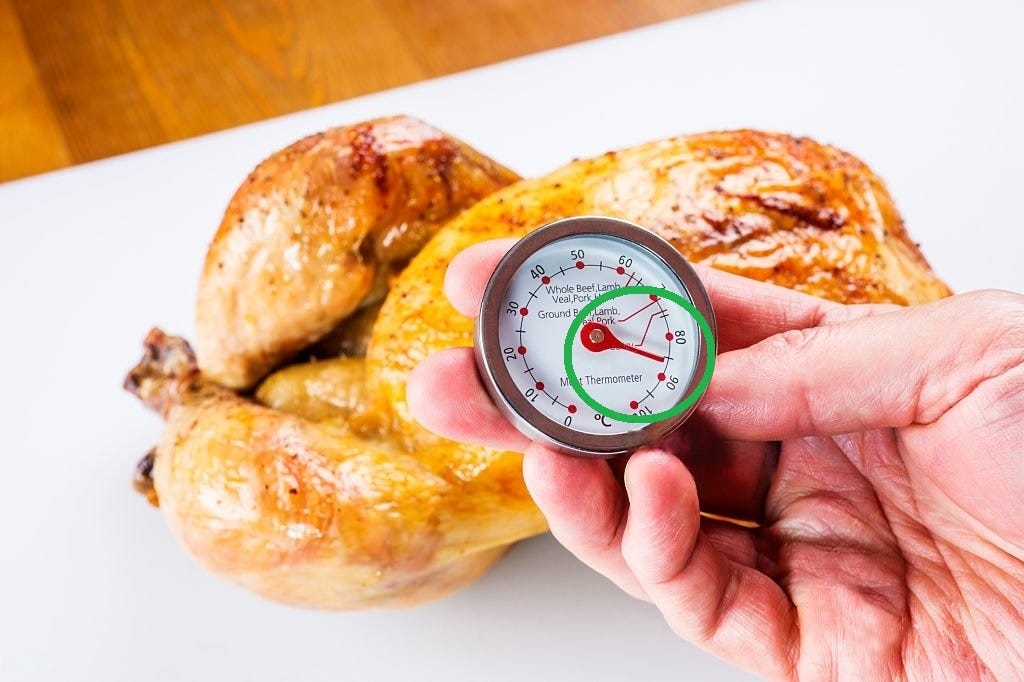
Meat thermometers come in two main types: digitaland analog. Digital thermometers show the temperature on a screen. They are quick and easy to read. Analog thermometers use a dial with a needle. They do not need batteries but can be slower to show the temperature.
Look for a thermometer with a fast reading timeso you don’t have to wait long. A probe that is long and thinworks best for beef roasts. Some thermometers have alarms that beep when the meat reaches the right temperature. This feature helps prevent overcooking.
| Feature | Digital Thermometer | Analog Thermometer |
|---|---|---|
| Reading Speed | Fast | Slower |
| Power Source | Battery | No battery needed |
| Ease of Use | Easy to read | Needs practice |
| Additional Features | Alarm, backlight | None |

Credit: www.souschef.co.uk
Best Spots To Insert Thermometer In Beef Roast
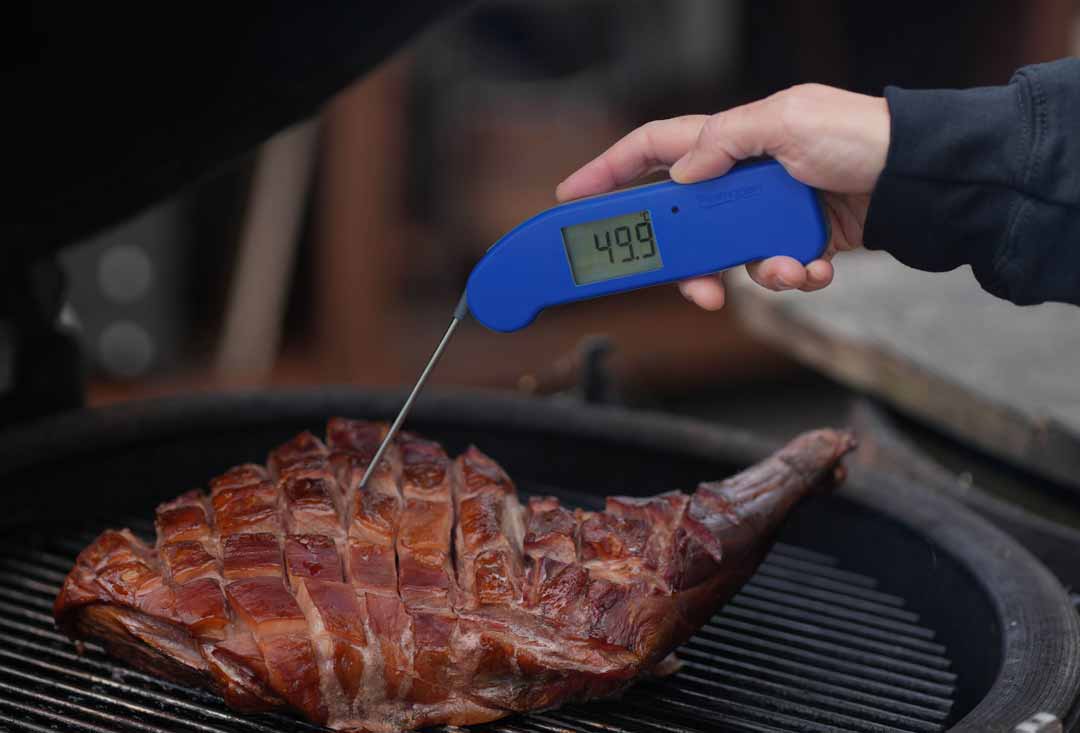
Insert the thermometer in the thickest partof the beef roast. This spot gives the most accurate temperature reading. Avoid areas with bone or fatbecause they can give false readings. Bones heat faster and fat heats slower than meat.
Place the thermometer probe near the centerof the roast, not the outer edges. The outer areas cook faster and may not reflect the true internal temperature. Aim for the middle for the best results.
- Insert the probe lengthwise into the roast.
- Avoid touching bones or fatty spots.
- Check temperature in the thickest, meaty section.
- Keep probe tip at the center, not near the surface.
Step-by-step Insertion Guide
Start by patting the beef roast dry with paper towels. This helps the thermometer stay clean and accurate. Make sure the roast is on a flat surface for easy insertion.
Insert the thermometer into the thickest part of the beef. Aim for the center, not near fat or bone, for the best reading. The probe should go about 2 to 2.5 inches deep.
- Insert the thermometer at a slight angle, not straight down.
- Keep the tip away from bones or fat.
- Push gently but firmly.
Secure the thermometer by resting the wire on the edge of the pan. Use a clip or fold the wire to prevent it from slipping out. This keeps the probe steady during cooking.
Credit: medium.com
Temperature Targets For Different Doneness
For the best results, insert the thermometer into the thickest part of the beef roast. Avoid touching bone, fat, or gristle as these can give false readings. The temperature shows how well cooked your roast is.
| Doneness | Internal Temperature |
|---|---|
| Rare | 120°F – 125°F (49°C – 52°C) |
| Medium Rare | 130°F – 135°F (54°C – 57°C) |
| Medium | 140°F – 145°F (60°C – 63°C) |
| Medium Well | 150°F – 155°F (65°C – 68°C) |
| Well Done | 160°F+ (71°C+) |
After removing the roast from heat, the temperature rises about 5°F (3°C). This is called resting. Resting lets juices settle, making meat tender. So, take the roast out just before your target temperature.
Common Mistakes To Avoid
Inserting the thermometer too shallow can give a false high temperature. Too deep, and it might hit bone or fat. Both cause wrong readings.
Checking the temperature too early can mislead you. The roast needs time to cook inside evenly. Wait until close to the end of cooking time.
Ignoring carryover cooking is a common mistake. The roast keeps cooking after removal from heat. Take this into account to avoid overcooking.
- Insert thermometerinto the thickest part of the roast.
- Avoid touching bone or fat for accurate readings.
- Check temperature near the end of cooking time only.
- Allow for carryover cooking before taking roast out.
Tips For Accurate Temperature Readings
Calibrating your thermometerensures accurate readings. Test it in hot water at 212°F (100°C). Adjust if the reading is off. This step helps avoid undercooking or overcooking your beef roast.
Using multiple probesgives a better idea of the roast’s temperature. Insert probes in different spots, like the thickest part and near the bone. It prevents guessing and helps cook evenly.
Cleaning and maintenancekeep your thermometer working well. Wipe the probe with warm soapy water after each use. Avoid soaking the thermometer to protect its parts. Regular care extends its life and keeps readings true.
Frequently Asked Questions
Where Should I Insert A Thermometer In Beef Roast?
Insert the thermometer into the thickest part of the beef roast. Avoid touching bone, fat, or gristle for an accurate reading. This ensures you measure the true internal temperature and avoid undercooking or overcooking the roast.
How Deep Should The Thermometer Go In Beef Roast?
The thermometer probe should be inserted about 2 to 3 inches deep. This depth reaches the center of the thickest part of the roast. Proper depth ensures the temperature reading reflects the roast’s internal doneness accurately.
Can I Insert A Thermometer Near The Bone In Beef Roast?
Avoid placing the thermometer near the bone. Bones conduct heat differently and can give false readings. Insert the probe into the meatiest, boneless section to ensure an accurate temperature measurement.
When Should I Check The Temperature Of A Beef Roast?
Check the temperature toward the end of the cooking time. Insert the thermometer about 10-15 minutes before expected doneness. This helps avoid overcooking and ensures your roast reaches the perfect temperature.
Conclusion
Inserting a thermometer in the right spot ensures perfect beef roast every time. Always place it in the thickest part, avoiding bones and fat. This way, you get an accurate temperature reading. This simple step helps you cook safely and to your taste.
Remember, checking temperature is better than guessing doneness. Enjoy juicy, tender beef roast with confidence. Keep practicing, and you will improve your cooking skills fast.