
Are you tired of guessing if your chicken is cooked just right? Knowing exactly when to insert a thermometer can make all the difference between juicy, safe-to-eat chicken and a dry or undercooked meal.
You’ll discover the perfect moment to check your chicken’s temperature so you can serve a delicious dish every time. Keep reading, and you’ll never worry about overcooking or undercooking chicken again!
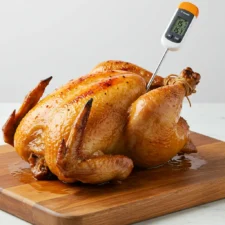
Credit: www.myfamilyplates.com
Choosing The Right Thermometer
Meat thermometers come in different types. Each has its own use and benefits.
- Instant-read thermometersgive quick temperature readings. They are great for fast checks.
- Digital probe thermometersstay in the meat while cooking. They show the temperature on a screen.
- Dial oven-safe thermometerscan be left inside the chicken during cooking. They use a needle and dial to show heat.
Choose a thermometer with an easy-to-read display. It should be quick and accurate.
Look for a model with a long probe. This helps reach the thickest part of the chicken.
A waterproof or heat-resistant design lasts longer. It also works well in ovens and grills.
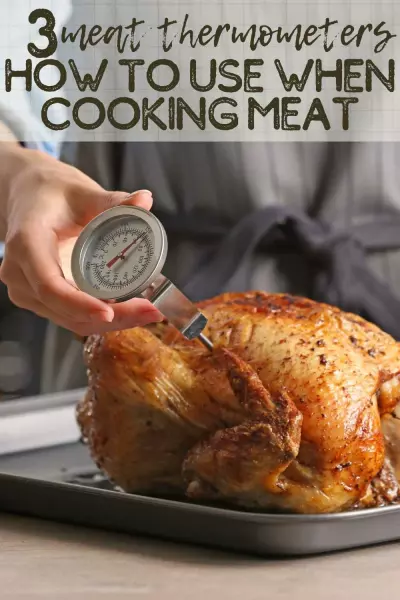
Credit: www.thatorganicmom.com
Ideal Temperature For Chicken
The safe internal temperaturefor cooked chicken is 165°F (74°C). This temperature kills harmful bacteria and keeps the meat safe to eat.
Insert the thermometer into the thickest partof the chicken, avoiding bones. Bones heat faster and can give a wrong reading.
Temperature matters because undercooked chicken can cause food poisoning. Overcooked chicken becomes dry and tough. Checking temperature helps you cook chicken just right.
Best Time To Insert Thermometer
Insert the thermometer during cookingto check the chicken’s temperature early. This helps avoid undercookingby ensuring the heat reaches the center. It also prevents overcookingby stopping the cooking once the right temperature is reached.
Checking the temperature after cookingcan lead to guesswork. The chicken may cool down, giving a false low reading. This makes it harder to know if the chicken is safe to eat.
- Insert the thermometer into the thickest part of the chicken.
- Avoid touching bones, as they give a false high reading.
- Look for 165°F (74°C) for safe cooking.
- Check temperature multiple times during cooking for best results.
Proper Thermometer Placement
Insert the thermometer into the thickest part of the chicken. This is usually the breast or the inner thigh. Avoid touching the bone as it can give a false high reading. The thermometer should go deep enough to reach the center of the meat. Fat can also cause inaccurate readings, so avoid areas with visible fat.
Make sure the probe is not near the skin. The skin cooks faster and can mislead the temperature reading. Aim for the meaty part to check if the chicken is fully cooked. This ensures the chicken is safe to eat and juicy inside.
Checking Temperature For Different Cooking Methods
Insert the thermometer into the thickest part of the chicken without touching bone. This ensures an accurate reading.
For roasting whole chicken, check the temperature near the thigh. The safe temperature is 165°F (74°C). This helps confirm the chicken is fully cooked inside.
Grilling chicken pieces requires testing the thickest part. Smaller pieces cook faster, so check often to avoid drying out.
When cooking in oven or slow cooker, place the thermometer in the thickest area. Slow cookers need longer time; temperature ensures it’s safe to eat.
| Cooking Method | Where to Insert Thermometer | Safe Temperature |
|---|---|---|
| Roasting Whole Chicken | Thickest part of thigh, avoiding bone | 165°F (74°C) |
| Grilling Chicken Pieces | Thickest part of the piece | 165°F (74°C) |
| Oven or Slow Cooker | Thickest part of chicken | 165°F (74°C) |

Credit: www.youtube.com
Tips For Accurate Temperature Reading
Calibrating your thermometerensures accurate readings. Test it in ice water; it should read 32°F (0°C). If not, adjust according to the manual. This step helps avoid errors during cooking.
Allowing time for readingis crucial. Insert the thermometer deep into the thickest part of the chicken. Wait at least 15 seconds before checking the temperature. This gives a stable, true reading of the meat’s doneness.
Frequently Asked Questions
When Is The Best Time To Insert A Thermometer In Chicken?
Insert the thermometer halfway through cooking, about 10-15 minutes before the estimated finish time. This helps check accurate internal temperature without disrupting cooking.
Where Should I Place The Thermometer In Chicken?
Place the thermometer in the thickest part of the chicken, avoiding bone and fat. This ensures you get the most accurate internal temperature reading.
How Do I Know Chicken Is Safe To Eat?
Chicken is safe when the internal temperature reaches 165°F (74°C). Use a thermometer to confirm this temperature for food safety.
Can I Insert A Thermometer Before Cooking Chicken?
Avoid inserting the thermometer too early, as it may cause uneven cooking. Insert it during the last 10-15 minutes for best results.
Conclusion
Inserting a thermometer in chicken ensures safe and juicy meat. Aim for the thickest part, avoiding bones. Check the temperature frequently. The goal is 165°F or 75°C. This prevents foodborne illnesses. Always let the chicken rest after cooking. It helps juices redistribute evenly.
Knowing the right time to check makes cooking easier. Practice makes perfect. Over time, it becomes second nature. Enjoy flavorful, safe chicken every time. Happy cooking!