

Are you planning your next outdoor adventure and wondering whether to bring a camping stove or a portable grill? Choosing the right cooking gear can make a huge difference in how easy and enjoyable your meals will be.
You might think they’re pretty much the same, but they actually serve different purposes and have unique benefits. By understanding these differences, you’ll be able to pick the perfect option that fits your style and needs. Keep reading to discover which one suits you best and how it can transform your outdoor cooking experience.

Credit: www.treelinereview.com
Camping Stove Basics
Camping stoves are small devices that help you cook food outdoors. They are easy to carry and quick to set up. Campers often use them for boiling water or making simple meals.
Understanding the different types, fuel options, and how portable they are can help you pick the right stove for your needs. This guide explains these basics clearly.
Types Of Camping Stoves
There are several kinds of camping stoves. Each type has its own way of working and is good for different situations.
- Canister Stoves: Use gas canisters and light quickly.
- Liquid Fuel Stoves: Use fuels like white gas or kerosene; work well in cold weather.
- Wood-Burning Stoves: Use small sticks or wood as fuel; no need to carry fuel.
- Alcohol Stoves: Use alcohol as fuel; simple and lightweight.
Fuel Options
Camping stoves use different fuels. The fuel choice affects how long the stove runs and how easy it is to use.
| Fuel Type | Advantages | Disadvantages |
| Gas Canisters | Clean burning, easy to use | Can run out quickly, needs proper disposal |
| Liquid Fuel | Burns well in cold, refills available | Can be messy, needs priming |
| Wood | Free fuel, no need to carry fuel | Needs dry wood, creates smoke |
| Alcohol | Simple design, lightweight | Less heat, slower cooking |
Portability And Weight
Camping stoves must be easy to carry. Weight and size matter for backpackers and campers.
- Small stoves fit inside a backpack easily.
- Lightweight stoves reduce load on long trips.
- Some stoves come with carrying cases for protection.
- Consider the weight of fuel when packing.

Credit: www.treelinereview.com
Portable Grill Essentials
Camping stoves and portable grills help cook food outdoors. They look similar but work differently.
This guide explains key points about portable grills. You will learn about types, fuel, and size.
Popular Grill Types
Portable grills come in many types. The main ones are charcoal, gas, and electric grills.
Charcoal grills use burning coals for heat. Gas grills use propane or natural gas. Electric grills need power.
- Charcoal grills give smoky flavor to food
- Gas grills heat quickly and are easy to control
- Electric grills work well where open flames are not allowed
Fuel And Heat Sources
Fuel type changes how grills heat food. Some use solid fuel, others use gas or electricity.
Camping stoves usually burn liquid fuel or gas. Portable grills mostly use charcoal or gas.
- Charcoal burns slowly and needs time to light
- Propane gas provides instant heat with a knob
- Electric grills need a power source or battery
Size And Mobility
Size affects how easy it is to carry and cook on a grill. Small grills are light but cook less food.
Portable grills are made to be easy to move. Some fold or have handles for carrying.
- Compact grills fit in backpacks or small cars
- Larger grills cook more food but weigh more
- Check weight and folded size before buying
Cooking Performance
Camping stoves and portable grills are both popular for outdoor cooking. They have different cooking performance features. Understanding these differences helps choose the right tool for your needs.
Cooking performance depends on heat control, cooking surface, and how you can cook with them. Each tool works best in different situations.
Heat Control And Distribution
Camping stoves usually offer precise heat control. You can adjust the flame easily to cook food gently or quickly. The heat spreads evenly across the burner.
Portable grills often have less exact heat control. They rely on charcoal or gas flames. Heat may be stronger in some spots and weaker in others.
- Camping stove: precise flame adjustment
- Camping stove: even heat distribution
- Portable grill: uneven heat zones
- Portable grill: less precise control
Cooking Surface And Capacity
Camping stoves have smaller cooking surfaces. They usually fit one or two pots or pans. This limits how much food you can cook at once.
Portable grills have larger surfaces. They can cook many items at the same time. This makes them good for groups and grilling larger foods.
- Camping stove: small cooking area
- Camping stove: fits pots and pans
- Portable grill: large cooking area
- Portable grill: cooks multiple items
Versatility In Cooking Styles
Camping stoves are great for boiling, simmering, and frying. They work well with pots and pans for various recipes.
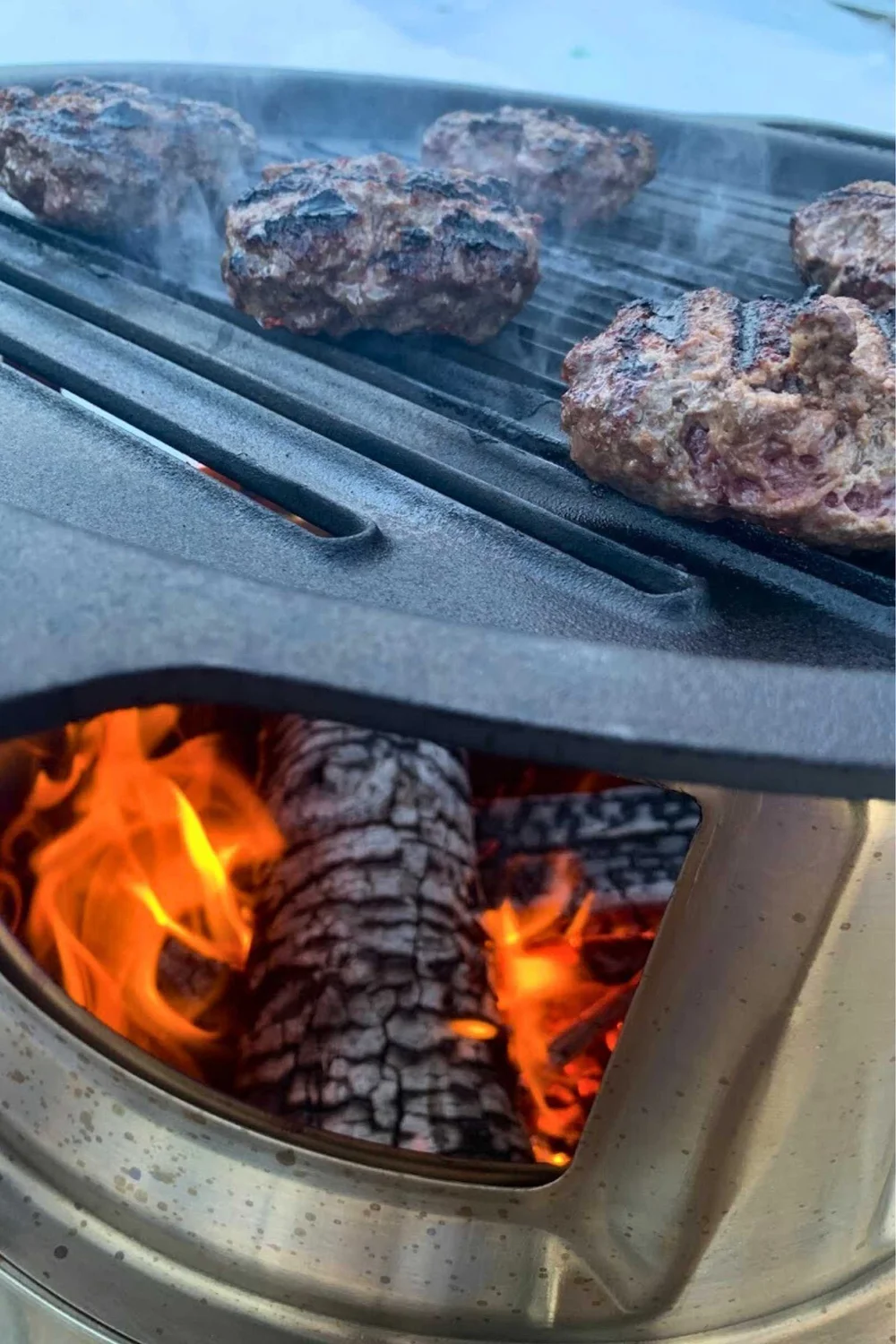
Portable grills excel at grilling and barbecuing. They create a smoky flavor and grill marks that stoves cannot produce.
- Camping stove: boiling and frying
- Camping stove: works with cookware
- Portable grill: grilling and barbecuing
- Portable grill: adds smoky flavor
Ease Of Use And Setup
Camping stoves and portable grills are popular for outdoor cooking. They differ in how easy they are to use and set up. Understanding these differences helps you pick the right tool for your trip.
This section looks at ignition methods, assembly and maintenance, and cleaning tips for both camping stoves and portable grills.
Ignition Methods
Camping stoves often come with built-in ignition systems. Many models use a push-button or piezo ignition to start the flame quickly. Portable grills usually require matches or a lighter to ignite the charcoal or gas.
- Camping stoves: push-button ignition or matchless start
- Portable grills: manual ignition with lighter or matches
- Gas portable grills may have a built-in igniter like stoves
Assembly And Maintenance
| Feature | Camping Stove | Portable Grill |
| Assembly Time | Usually quick and simple | Takes longer due to parts and grates |
| Number of Parts | Few, mostly the stove and fuel canister | Multiple parts like grill grate, body, and fuel source |
| Maintenance | Easy, mostly cleaning burner and checking fuel | Requires cleaning grill grates and ash removal |
Cleaning Tips
Keeping your stove or grill clean helps it work well and last longer. Follow these cleaning tips based on the device you use.
- Camping Stove:Wipe the burner area and remove food spills after each use.
- Portable Grill:Scrape off food from grates while still warm using a grill brush.
- Empty ash or charcoal residues only when fully cooled.
- Store dry and covered to avoid rust or damage.
Safety Considerations
Using a camping stove or a portable grill requires care to avoid accidents. Safety is key for a fun and injury-free outdoor cooking experience.
Knowing the differences in safety needs helps you choose and use these tools better.
Stability And Wind Resistance
Camping stoves are often lighter and have smaller bases than portable grills. This can make them less stable on uneven ground.
- Place stoves on flat, solid surfaces to prevent tipping.
- Use windshields or find natural barriers to block strong winds.
- Portable grills usually have wider legs that offer better balance.
- Always check that your setup is steady before cooking.
Fuel Storage And Handling
Both camping stoves and portable grills use fuels like propane or charcoal. Safe fuel storage is vital to avoid leaks and fires.
| Fuel Type | Storage Tip | Handling Safety |
| Propane Canisters | Keep upright and away from heat sources. | Check for leaks before connecting. |
| Charcoal | Store in a dry place to prevent moisture. | Use proper lighter fluid sparingly and safely. |
Safe Cooking Practices
Following safe cooking habits reduces the risk of burns and fires. Both devices need attention during use.
- Keep children and pets away from cooking areas.
- Never leave a stove or grill unattended while on.
- Use long-handled tools to avoid burns.
- Let hot equipment cool before packing away.
- Dispose of ashes and fuel safely after use.
Cost And Durability
Camping stoves and portable grills are popular for outdoor cooking. Both have differences in price and how long they last. Knowing these helps you pick the right one for your needs.
This article looks at three important points: price range comparison, material quality, and long-term reliability of camping stoves and portable grills.
Price Range Comparison
Camping stoves are usually less expensive than portable grills. The price depends on size, fuel type, and brand. Portable grills tend to cost more because of their design and features.
| Type | Low Price | High Price |
|---|---|---|
| Camping Stove | $20 | $150 |
| Portable Grill | $50 | $300 |
Material Quality
Materials affect how strong and durable each device is. Camping stoves often use lightweight metals like aluminum. Portable grills usually have heavier steel or cast iron parts for better cooking.
- Camping stoves: lightweight, easy to carry
- Portable grills: heavier, built for solid cooking
- Stove materials may wear faster with rough use
- Grills resist heat and weather better over time
Long-term Reliability
Reliability means how well the stove or grill works after many uses. Camping stoves need careful cleaning to avoid clogs. Portable grills last longer but require regular maintenance of grates and fuel parts.
Choosing between them depends on your budget and how you plan to use them outdoors.
Best Use Cases
Camping stoves and portable grills help cook food outdoors. Both have different uses based on your needs.
Understanding their best use cases helps you pick the right gear for your trip.
Ideal Scenarios For Camping Stoves
Camping stoves are great for cooking meals fast and safely. They work well in small spaces and windy conditions.
Use a camping stove when you need hot drinks or simple meals like soups and noodles.
- Backpacking trips where weight matters
- Quick cooking with pots and pans
- High wind or cold weather
- Cooking small meals or boiling water
When To Choose A Portable Grill
Portable grills are best for grilling meat, veggies, and other foods that need direct heat. They add a smoky flavor.
Pick a portable grill for social gatherings or when you want classic grilled food outdoors.
- Picnics and backyard parties
- Grilling burgers, hot dogs, or steaks
- Cooking for groups of people
- Enjoying smoky, grilled flavors
Combining Both For Ultimate Flexibility
Using both a camping stove and a portable grill gives you many cooking options. You can boil, fry, and grill food easily.
This setup works well for longer trips or large groups where variety in cooking is important.
- Boil water or make coffee on the stove
- Grill meats and vegetables on the portable grill
- Prepare side dishes on the stove
- Enjoy different cooking styles in one trip
Credit: www.treelinereview.com
Frequently Asked Questions
What Is A Camping Stove Used For?
A camping stove is used for cooking meals while camping. It is compact, lightweight, and perfect for boiling water and cooking simple dishes. Campers often choose camping stoves for their portability and ease of use, making them ideal for backpacking and hiking trips.
How Does A Portable Grill Work?
A portable grill cooks food by using direct heat from charcoal or gas. It’s perfect for grilling meats, vegetables, and other foods outdoors. Portable grills are popular for tailgating, picnics, and beach outings, offering a traditional grilling experience with added convenience.
Which Is Better For Outdoor Cooking?
Choosing between a camping stove and a portable grill depends on your cooking needs. If you prefer grilling, choose a portable grill. If you need to boil or cook in pots, a camping stove is better. Consider weight, fuel type, and cooking style when deciding.
Can I Use A Camping Stove Indoors?
Using a camping stove indoors is not recommended. Most camping stoves produce carbon monoxide, which can be dangerous in enclosed spaces. Always use camping stoves in well-ventilated outdoor areas to ensure safety. For indoor cooking, use appropriate kitchen appliances designed for that purpose.
Conclusion
Camping stoves and portable grills serve different outdoor cooking needs. Stoves are great for boiling and quick meals. Grills work best for barbecues and larger foods. Both are easy to carry and use outside. Choose based on what you want to cook and how you like to eat.
Understanding their differences helps you enjoy your outdoor meals more. Simple tools, big flavor. Your next trip will be tastier with the right choice.