
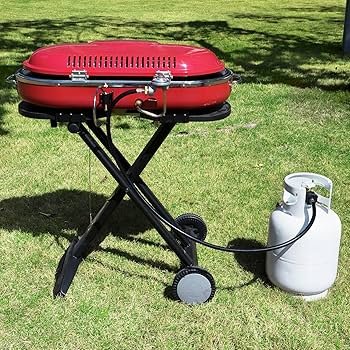
Choosing the right propane tank for your portable grill can make all the difference in your outdoor cooking experience. You want enough fuel to keep the fire going without carrying around a bulky, heavy tank.
But how do you know which size fits your needs best? This guide will help you find the perfect balance so you can grill longer, cook better, and enjoy every meal without worrying about running out of gas. Keep reading to discover the ideal propane tank size for your portable grill and make your next cookout hassle-free.
Types Of Propane Tanks
Choosing the right propane tank size helps your portable grill work best. Tanks come in different sizes for different needs.
Each size offers benefits like portability, longer use, or frequent grilling support. Learn about small, medium, and large tanks.
Small Tanks For Portability
Small propane tanks are easy to carry and store. They usually hold 1 to 5 pounds of propane.
These tanks fit well with small grills. They are best for picnics, camping, or tailgating.
- Lightweight and compact
- Easy to refill or replace
- Short cooking time before refilling
Medium-sized Tanks For Extended Use
Medium tanks usually hold 10 to 20 pounds of propane. They offer more cooking time than small tanks.
These tanks are good for weekend grilling or small parties. They balance portability and longer use.
- Moderate weight and size
- Longer grilling sessions
- Fits many portable grills
Large Tanks For Frequent Grilling
Large tanks hold 30 pounds or more of propane. They are best for people who grill often.
These tanks last longer and reduce refilling. They are heavier and less easy to move.
- Heavy and less portable
- Supports long cooking times
- Ideal for regular grill use
Credit: webergrill.my.site.com
Factors Influencing Tank Size
Choosing the right propane tank size for your portable grill depends on several key factors. Selecting the correct size helps ensure you have enough fuel and can use your grill conveniently.
Understanding these factors will help you pick the best tank for your needs. This guide covers the main points to think about.
Grill Size And Btu Requirements
The size of your grill and its BTU (British Thermal Unit) rating affect how much propane you will use. Larger grills with higher BTUs need bigger tanks to run longer.
| Grill Size | BTU Range | Recommended Tank Size |
| Small | 5,000 – 10,000 | 5 lb |
| Medium | 10,001 – 20,000 | 10 lb |
| Large | 20,001 and above | 20 lb or larger |
Frequency Of Grill Usage
How often you use your grill changes the tank size you need. Frequent grilling requires a larger tank to avoid running out of propane.
- Occasional use: small 5 lb tank
- Regular use: medium 10 lb tank
- Heavy use or large gatherings: 20 lb tank or more
Storage And Portability Needs
Consider where you will store and carry the tank. Smaller tanks are easier to move but hold less fuel. Larger tanks are heavier but last longer.
Storage and Portability Comparison
| Tank Size | Weight When Full | Portability |
|---|---|---|
| 5 lb | About 10 lbs | Very easy to carry |
| 10 lb | About 20 lbs | Moderately easy |
| 20 lb | About 40 lbs | Less portable, heavier |
Common Propane Tank Sizes
Propane tanks come in many sizes for portable grills. Choosing the right size helps you cook longer without refilling.
This guide explains common propane tank sizes for portable grills. Each size fits different needs and grill types.
1 Lb Cylinders
1 lb cylinders are very small and lightweight. They are easy to carry on camping trips.
These tanks work well for small grills or portable stoves. They usually last about 1 to 2 hours of cooking.
5 Lb Tanks
5 lb tanks are a popular choice for portable grills. They offer more cooking time than 1 lb cylinders.
These tanks usually last around 4 to 6 hours of grilling. They are still easy to carry and store.
10 Lb Tanks
10 lb tanks provide more fuel for longer cooking sessions. They are a good option for backyard grills.
These tanks can last 8 to 10 hours of grilling. They are heavier but still portable for most users.
20 Lb Tanks
20 lb tanks are the largest common size for portable grills. They offer the longest cooking time.
These tanks can last 10 to 15 hours or more. They are heavier and best for frequent grillers.
How To Calculate Tank Usage
Choosing the right propane tank size for your portable grill depends on how long you want to cook. Knowing how to calculate tank usage helps you avoid running out of gas during cooking.
This guide explains how to estimate burn time, understand BTUs, and use practical examples to find the right tank size.
Estimating Burn Time
Burn time is how long your grill runs on a full tank. You find it by dividing the tank’s fuel amount by the grill’s fuel use per hour.
Propane tanks show their size in pounds or gallons. You must convert this to usable propane weight to estimate burn time.
- 1 gallon of propane weighs about 4.2 pounds
- Most tanks are filled to 80% for safety
- Calculate usable propane by multiplying tank weight by 0.8
Btus And Propane Consumption
BTU means British Thermal Unit. It shows how much heat your grill produces. Higher BTUs use more propane per hour.
Check your grill’s BTU rating to know how much propane it uses. Propane has about 91,500 BTUs per gallon.
- Find grill BTUs (usually on the grill label)
- Divide BTUs per hour by 91,500 to get gallons used per hour
- Multiply gallons used by 4.2 to get pounds used per hour
Practical Examples
Imagine a grill with 30,000 BTUs. You want to know how long a 20-pound tank lasts.
| Step | Calculation | Result |
|---|---|---|
| Usable propane in tank | 20 lbs × 0.8 | 16 lbs |
| Gallons used per hour | 30,000 BTUs ÷ 91,500 BTUs/gallon | 0.33 gallons/hour |
| Pounds used per hour | 0.33 gallons × 4.2 lbs/gallon | 1.39 lbs/hour |
| Burn time | 16 lbs ÷ 1.39 lbs/hour | ~11.5 hours |
This means a 20-pound tank runs the grill for about 11.5 hours. You can use this method to estimate any tank size or grill.
Safety Tips For Using Propane Tanks
Using propane tanks for your portable grill is common. But it is important to use them safely. Following safety tips helps prevent accidents and injuries.
This guide covers key safety points. Learn how to store, handle, transport, and check for leaks on propane tanks.
Proper Storage
Store propane tanks outside in a cool, dry place. Keep them away from heat sources and direct sunlight. Do not store tanks inside your home or garage.
Always keep the tank upright to avoid gas leaks. Make sure the storage area is well ventilated. Store tanks away from flammable materials.
- Keep tanks upright
- Store outdoors or in ventilated areas
- Avoid heat and flames nearby
- Keep away from children and pets
Handling And Transport
Handle propane tanks carefully to avoid damage. Always close the valve tightly before moving the tank. Use a protective cap on the valve during transport.
When transporting, keep the tank upright and secure it so it does not fall or roll. Do not leave tanks in hot cars for long times. Move tanks in well-ventilated vehicles.
- Close valve before moving
- Use valve protection caps
- Keep tank upright and secure
- Do not leave in hot cars
- Transport in ventilated areas
Leak Detection
Check propane tanks regularly for leaks. Use a soapy water solution on the valve and connections. Bubbles show where gas may be escaping.
If you smell gas or see bubbles, close the valve and move the tank outside. Do not use open flames or electrical switches near leaks. Get the tank checked or replaced by a professional.
- Use soapy water to test leaks
- Look for bubbles on valves and hoses
- Close valve if you detect a leak
- Move tank outdoors immediately
- Avoid flames or sparks near leaks
Refilling And Exchanging Propane Tanks
Knowing how to refill or exchange your propane tank is important for your portable grill. It helps you stay safe and keep cooking without delays.
This guide covers where to refill tanks, exchange options, and what costs to expect.
Refill Stations
Refill stations let you fill your empty propane tank with fresh gas. You bring your tank and pay to refill it at the station.
- Many gas stations and hardware stores have refill stations.
- Refilling keeps your original tank and avoids waste.
- Staff often check tanks for damage before refilling.
- Always follow safety rules when handling propane tanks.
Exchange Programs
Exchange programs let you swap your empty tank for a full one. This is quick and easy without waiting for a refill.
| Pros | Cons |
| Fast and convenient | May cost more than refilling |
| No need to keep original tank | Tank condition can vary |
| Available at many retail locations | Limited tank size options |
Cost Considerations
Costs vary depending on how you refill or exchange your propane tank. Knowing prices helps you pick the best choice.
- Refilling usually costs less per gallon of propane.
- Exchanging may include a rental fee for the tank.
- Some places charge extra for tank inspection or service.
- Prices depend on location and tank size.
Choosing The Right Tank For Your Grill
Picking the right propane tank for your portable grill is important. It affects how long you can cook and how easy it is to carry.
There are different tank sizes and types. You should think about size, cost, and if the tank fits your grill model.
Balancing Size And Portability
Large tanks hold more propane but weigh more. Small tanks are easy to carry but run out faster.
- Small tanks (around 1 lb) are very light and easy to take on trips.
- Medium tanks (5 to 10 lbs) offer a good balance for home or camping use.
- Large tanks (20 lbs or more) last long but are heavy and less portable.
Budget Considerations
Prices vary by tank size and brand. Larger tanks cost more upfront but save money over time.
| Tank Size | Approximate Cost | Refill Cost |
| 1 lb | $15 – $25 | $3 – $5 |
| 5 lbs | $30 – $50 | $10 – $15 |
| 10 lbs | $50 – $80 | $15 – $25 |
| 20 lbs | $80 – $120 | $20 – $30 |
Compatibility With Grill Models
Not all tanks fit every grill. Check your grill’s manual for tank size and connector type.
- Some grills need small disposable tanks.
- Others use refillable tanks with standard connectors.
- Adapters can help, but use only if safe and approved.
Credit: webergrill.my.site.com

Credit: www.walmart.com
Frequently Asked Questions
What Size Propane Tank Is Best For A Portable Grill?
The best size for a portable grill is a 20-pound propane tank. It offers a good balance between portability and fuel capacity. This size is widely available and easy to replace. It’s perfect for frequent grilling sessions without needing constant refills.
Can I Use A Small Propane Tank For Grilling?
Yes, you can use a small propane tank for grilling. A 1-pound propane tank is suitable for short grilling sessions. It’s lightweight and convenient for camping trips. However, it might require frequent replacements if you grill often.
How Long Does A Propane Tank Last On A Grill?
A 20-pound propane tank lasts around 18-20 hours on a medium grill. The actual duration depends on the grill’s BTU rating. Smaller tanks, like the 1-pound option, might last only a couple of hours. Always have a spare tank for uninterrupted grilling.
Are There Different Propane Tank Sizes For Grills?
Yes, there are various propane tank sizes for grills. Common sizes include 1-pound, 5-pound, and 20-pound tanks. Each size serves different grilling needs and durations. Choose a size based on your grilling frequency and portability requirements.
Conclusion
Choosing the right propane tank size helps your grill work best. Small tanks suit quick cookouts or short trips. Larger tanks keep the grill running for longer times. Think about how often and where you grill. This way, you avoid running out of fuel too soon.
Pick a size that fits your needs and space. Enjoy cooking outdoors with the right propane tank. Simple steps lead to better grilling experiences every time.