
Are you planning to install a new oven in your kitchen? One of the most crucial decisions you’ll face is choosing the right circuit breaker size.
It’s not just about getting things to work—it’s about safety and efficiency. Picking the wrong size could lead to frequent tripping, potential fire hazards, or even damage to your appliance. You might be wondering, “How do I ensure my oven runs smoothly without any electrical hiccups?
” Don’t worry; you’re not alone. Many homeowners face the same challenge, and we’ve got you covered. This guide will help you understand everything you need to know to make the right choice. So, let’s dive in and discover what size circuit breaker your oven truly needs, ensuring peace of mind for you and your family.

Credit: www.onesto-ep.com
Importance Of Choosing The Right Circuit Breaker
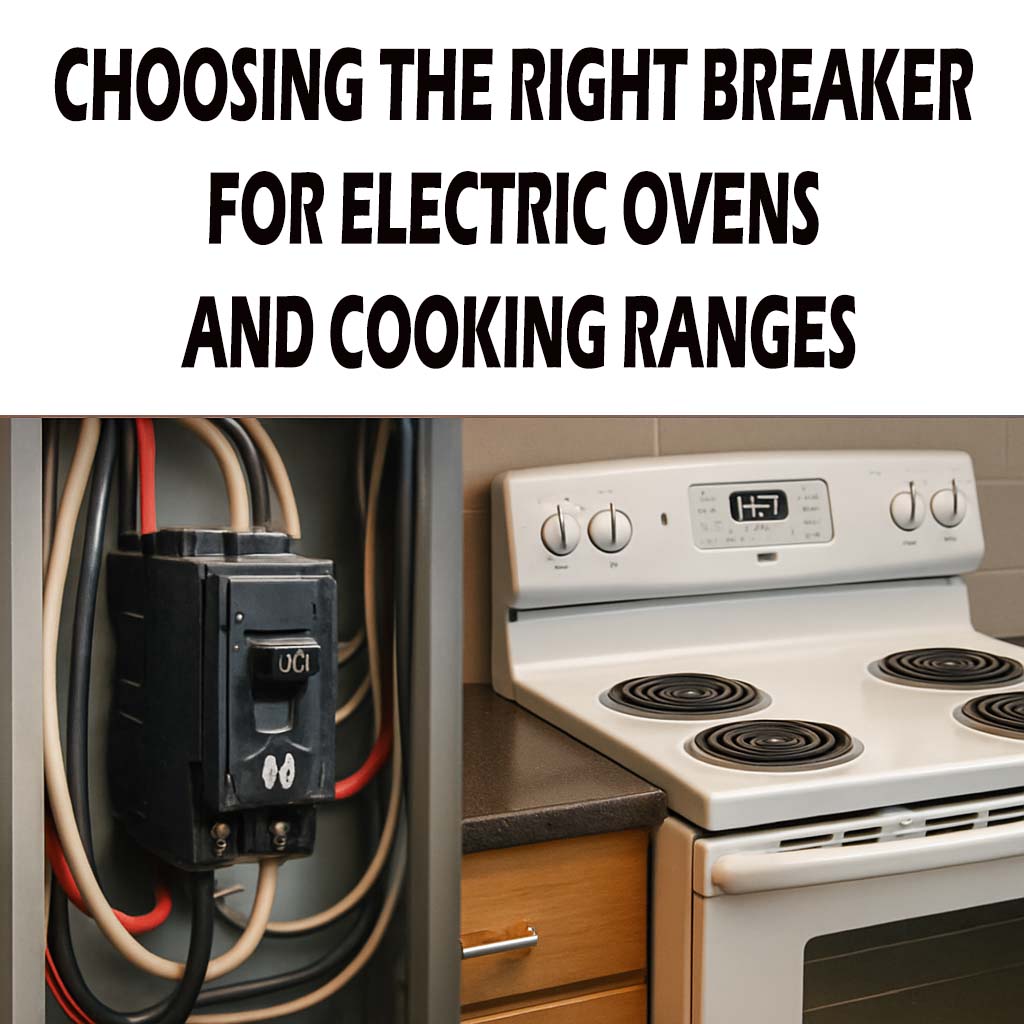
Choosing the right circuit breakerfor your oven is crucial. It protects your oven from electrical damage. A circuit breaker stops electrical flow during overloads. This prevents fires and other dangers. The oven’s power rating helps find the right breaker size. Most ovens need a dedicated circuit. This means no other appliances share the same circuit. Always check the manufacturer’s guidelines. They tell you the correct breaker size needed. Using the wrong size can cause problems. Too small, it trips too often. Too large, it won’t trip during overloads. This can be dangerous. For safety, hire a qualified electricianto install the breaker. They ensure everything is set up correctly. Proper installation keeps your home safe.
Credit: azadtechhub.com
Understanding Circuit Breaker Ratings
Circuit breakers protect electrical circuits. They stop too much electricity flow. Amperage is the measure of electricity flow. It is like the number of cars on a road. More amperage means more electricity. For ovens, you need the right amperage. Too low, and it might trip. Too high, and it won’t protect well.
Voltage is the push of electricity. It’s like water pressure in a hose. Ovens often use 240 volts. The circuit breaker must match this. Using the wrong voltage can cause problems. It might damage your oven or the wiring.
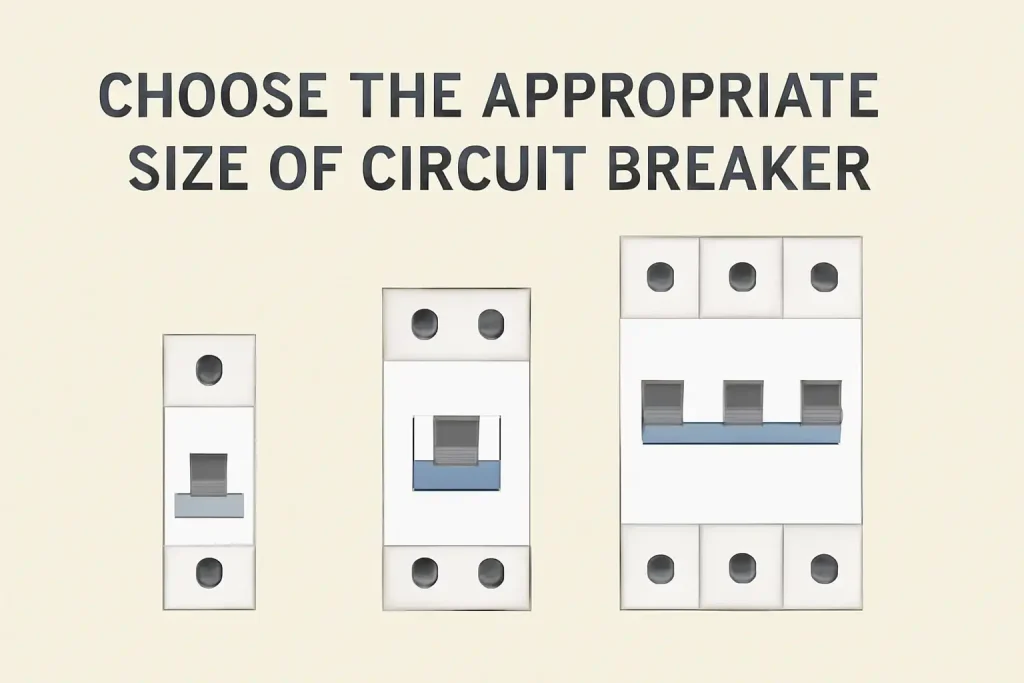
- Single-pole breakers: Handle basic circuits. Good for small appliances.
- Double-pole breakers: Used for ovens. They manage more power.
- GFCI breakers: Protect from shocks. Used in wet areas.
Factors Influencing Circuit Breaker Size For Ovens
Ovens need a lot of electricity to work. The wattage tells us how much. Bigger ovens need more power. Check the oven’s manual for the wattage. This helps find the right circuit breaker size. A high wattage oven needs a strong circuit breaker. This stops wires from overheating.
Single ovens need less power than double ovens. Double ovens have two cooking spaces. This means double the energy use. A single oven might use a 20-amp breaker. A double oven might need a 30 or 40-amp breaker. Always check the oven’s manual to be sure.
The place where the oven is installed also matters. Kitchens with many appliances need careful planning. The circuit breaker size depends on other appliances too. If the oven shares a circuit, a bigger breaker might be needed. Ensure the wiring can handle the load.
Calculating The Correct Circuit Breaker Size
Selecting the right circuit breaker size for an oven ensures safety and efficiency. Consider the oven’s wattage and voltage requirements. Typically, a 240-volt oven needs a 40-amp breaker to handle the load safely.
Using Electrical Formulas
First, find your oven’s wattage. It might be on a label. Use the formula: Amps = Watts ÷ Volts. For example, if your oven is 2400 watts and uses 240 volts, divide 2400 by 240. You get 10 amps. This helps find the right circuit breaker size.
Safety Margins And Tolerances
Always add a safety margin. Multiply the amps by 1.25. This accounts for extra power needs. For our example, 10 amps becomes 12.5 amps. Choose a circuit breaker that handles this. Usually, a 15-amp breakerworks for this size. This keeps your oven safe.
Common Mistakes To Avoid
Choosing the wrong circuit breaker size for an oven can lead to electrical hazards. Many assume a standard breaker fits all, risking overheating. Always check the oven’s power requirements. Proper sizing ensures safety and efficiency.
Underestimating Power Needs
Choosing a small circuit breaker can be risky. Ovens need a lot of power. A weak breaker might trip often. This can cause cooking problems. Always check the oven’s power rating. Buy a breaker that matches or exceeds this rating.
Ignoring Manufacturer Recommendations
Manufacturers know their products best. They provide specific guidelines for safety. Ignoring their advice can lead to issues. Using the wrong breaker might void warranties. Always read the manual carefully. Follow the recommended specifications for safe usage.
Professional Installation Vs. Diy
Choosing the right circuit breaker size for an oven depends on its power requirements. Professional installation ensures safety and compliance with electrical codes. DIY might suit those with experience, but incorrect sizing can lead to hazards. Always prioritize safety when deciding between these options.
Benefits Of Hiring An Electrician
Hiring an electrician ensures safety and accuracy. They know the right circuit breaker size. Electricians follow local codes and regulations. This keeps your home safe. They have the right tools and experience. This saves you time and effort. Mistakes can be costly and dangerous. Professionals reduce this risk. You get peace of mind with their work. A certified electrician offers a warranty. This means future issues might be covered. It’s a wise investment for your home’s safety.
Diy Tips And Precautions
Ensure power is off before starting. Use a voltage tester to double-check. Wear rubber-soled shoes for extra safety. Read the oven’s manual for guidance. It tells you the right breaker size. Use the correct tools for the job. Keep a flashlight handy if needed. Label wires clearly to avoid confusion. Never rush; take your time to be safe. If unsure, call a professional for help. Safety should always come first.
Maintenance And Safety Checks
Regular checks keep your oven running safely. Inspect the circuit breaker every few months. Make sure there are no burn marks or strange smells. These are signs of trouble. Keep the area around the breaker clean. Dust can cause problems. Check the breaker box for any loose wires. Tighten them if needed. Safety first!
Routine Inspection Practices
Look at your oven’s plug and cord. Make sure there are no frays or damage. Test the breaker by switching it off and on. This ensures it’s working well. Listen for buzzing sounds. They can mean the breaker is faulty. If unsure, call a professional. Always put safety first!
Signs Of A Faulty Circuit Breaker
- Breaker trips often
- Unusual smells
- Burn marks on the breaker
- Hot to touch
- Buzzing sounds
If you notice these signs, get help. It might be time for a replacement.

Credit: www.youtube.com
Frequently Asked Questions
Are Ovens 30 Amp Or 50 Amp?
Ovens typically require either 30 amp or 50 amp circuits. This depends on the model and power needs. Always check the manufacturer’s specifications for exact requirements. Proper wiring ensures safety and efficiency. Consult a professional electrician for installation advice.
Can You Run A 20 Amp Oven On A 30 Amp Breaker?
Yes, you can run a 20 amp oven on a 30 amp breaker. The breaker can handle the load safely. Ensure wiring and connections meet electrical codes for safety and efficiency. Always consult a professional electrician to prevent potential hazards and maintain optimal performance.
Can I Use A 40 Amp Breaker For A Stove?
A 40 amp breaker can be used for a stove if the stove’s electrical requirements match the breaker’s capacity. Always check the manufacturer’s specifications and local electrical codes before installation to ensure safety and compatibility. Consult a professional electrician if uncertain about the appropriate breaker size for your stove.
Does It Matter If You Use A 15 Or 20 Amp Breaker?
Using the correct breaker size is crucial for safety. A 15 amp breaker suits standard circuits, while a 20 amp breaker handles higher loads. Always match the breaker to your circuit’s wiring capacity to prevent overheating or electrical hazards. Consult an electrician for proper installation and compatibility.
Conclusion
Choosing the right circuit breaker for your oven is crucial. It ensures safe operation and prevents electrical issues. Check the oven’s specifications for correct amperage. Typically, ovens require a 30-amp breaker. Always consult an electrician for expert advice. Proper installation keeps your kitchen safe and efficient.
Remember, safety first. Incorrect breakers can lead to overheating or fires. Regular maintenance and checks are essential. Stay informed to make the best choice. A well-installed oven circuit enhances your home’s safety. Use this guide to help you decide wisely.
Keep your cooking enjoyable and safe.