
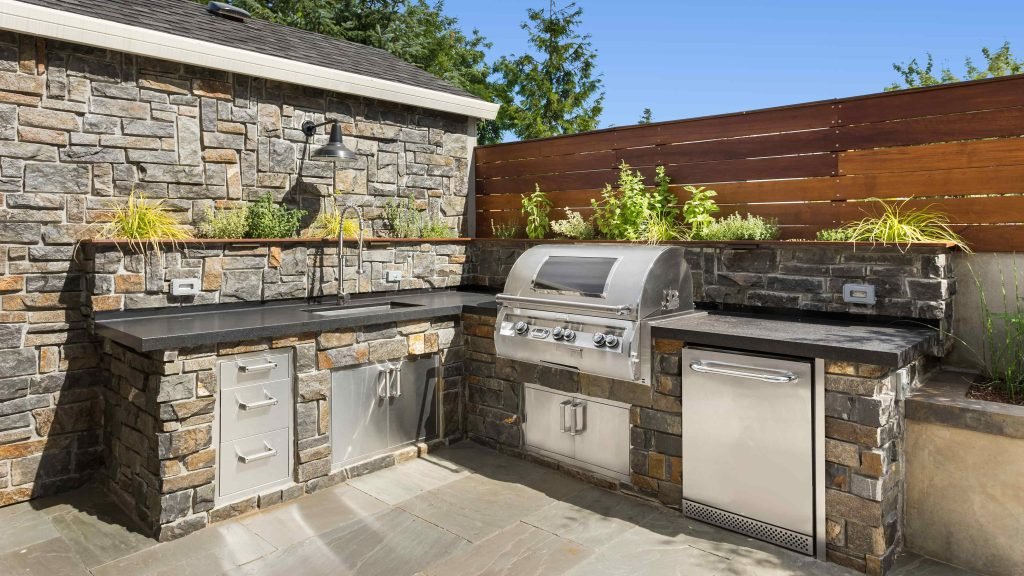
Choosing the right size built-in grill can make all the difference in your outdoor cooking experience. You want a grill that fits your space, meets your cooking needs, and makes every barbecue easy and enjoyable.
But how do you know what size is best for you? Whether you’re cooking for a small family or hosting big gatherings, this guide will help you find the perfect grill size. Keep reading to discover the simple steps that will save you time, money, and frustration on your next outdoor cooking adventure.
Grill Size Basics
Choosing the right built-in grill size is important for your cooking needs. The size affects how much food you can cook at once.
This guide explains the basics of grill size to help you pick the best fit for your space and meals.
Measuring Cooking Area
The cooking area is the space where you place food to grill. It is usually measured in square inches.
Measure the length and width of the cooking grates to find the total cooking surface.
- Measure the main cooking grate only
- Exclude warming racks from the cooking area
- Multiply length by width to get square inches
Standard Grill Dimensions
Built-in grills come in different sizes. Most sizes fit standard outdoor kitchen cutouts.
Common grill widths range from 24 to 48 inches. Depths are usually around 24 inches.
| Grill Width (inches) | Cooking Area (sq. inches) | Ideal For |
|---|---|---|
| 24 | 250-300 | Small families or couples |
| 30 | 350-400 | Medium-sized groups |
| 36 | 450-500 | Larger families or parties |
| 42-48 | 500-700+ | Entertaining many guests |

Credit: abell.co.uk
Assessing Your Bbq Needs
Choosing the right size built-in grill depends on your cooking needs. It is important to think about how many people you will cook for and how often you grill.
Knowing the types of food you want to grill also helps pick the right size. This guide will help you decide the best grill size for your needs.
Family Size And Guest Count
Consider the number of people you usually cook for. A small family needs less cooking space than a large group.
If you often host guests, choose a bigger grill. It helps you cook more food at once without waiting.
- Small family (2-4 people): 200-300 square inches
- Medium family (4-6 people): 300-450 square inches
- Large groups (6+ people): 450+ square inches
Cooking Frequency
Think about how often you use your grill. If you grill weekly, a mid-size grill may be best.
For daily cooking, a larger grill with more features can save time and effort. Rare grillers may want a smaller, simpler model.
- Rare use: Small grill to save space and cost
- Weekly use: Medium grill for versatile cooking
- Daily use: Large grill for fast and big meals
Types Of Food To Grill
Your favorite foods also matter when choosing grill size. Larger grills can handle many food types at once.
If you cook mostly burgers or hot dogs, a small to medium grill works well. For whole chickens, ribs, or vegetables, bigger space helps.
- Burgers, hot dogs: Small to medium grill
- Steaks, chicken, ribs: Medium to large grill
- Vegetables and mixed foods: Larger grill for more space
Space And Installation
Choosing the right size built-in grill depends on your outdoor space and installation needs. Proper planning helps you avoid problems later.
Consider the area available and where you want to place the grill. This affects your cooking comfort and safety.
Available Outdoor Space
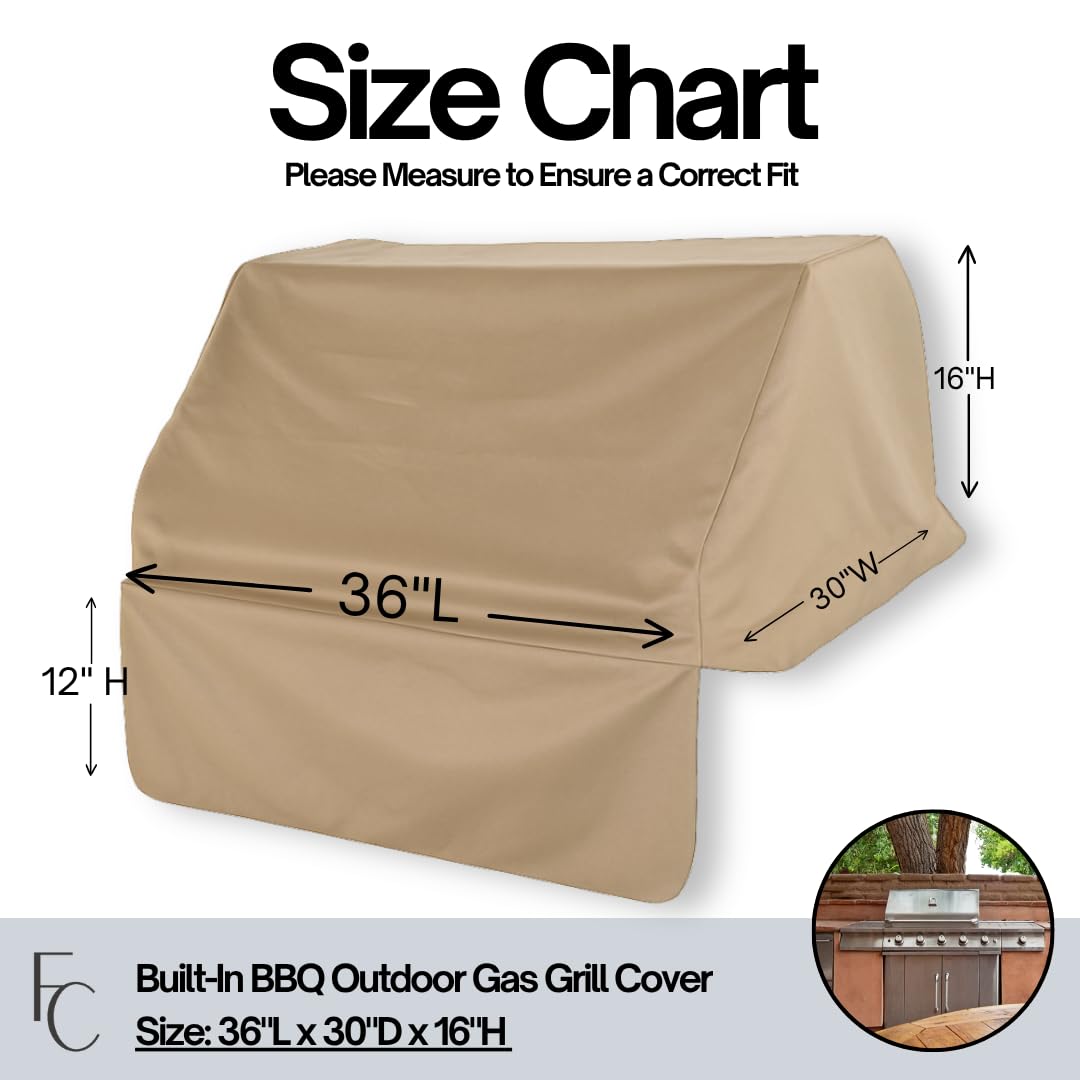
Measure the outdoor area where you want the grill. Make sure there is enough room for cooking and moving around.
Think about extra space for side burners or storage. Larger grills need more space for safe use.
- Check width, depth, and height of the space
- Leave room for countertops or prep areas
- Consider space for guests and traffic flow
Built-in Grill Placement
Pick a spot that fits your grill size and allows easy installation. The location should work well with your outdoor kitchen design.
Make sure the grill is near gas or electrical lines if needed. Avoid placing it too close to walls or furniture.
- Place grill away from flammable materials
- Keep access to utilities simple
- Choose a level surface for stability
Ventilation And Safety
Good ventilation is important for built-in grills. It keeps smoke and heat away and prevents fire risks.
Follow safety rules for clearances and airflow. Check local codes for grill installation standards.
- Keep at least 24 inches clearance around the grill
- Use vents or open areas for smoke escape
- Install fire-resistant materials nearby
Credit: www.amazon.ca
Grill Features Impacting Size
Choosing the right size built-in grill depends on its features. These features affect how much space the grill takes. Understanding them helps you pick a grill that fits your needs and area.
Some features add to the grill’s size while others need extra room for use. Let’s look at key features that impact grill size.
Burner Count And Layout
The number of burners changes the grill’s width and depth. More burners mean a larger cooking area. The layout also affects how space is used and how easy it is to cook different foods.
| Burner Count | Typical Grill Width | Cooking Area |
| 2 Burners | 24 to 30 inches | 300 to 400 sq. inches |
| 3 Burners | 30 to 36 inches | 400 to 500 sq. inches |
| 4 Burners | 36 to 48 inches | 500 to 700 sq. inches |
| 5+ Burners | 48+ inches | 700+ sq. inches |
Additional Cooking Zones
Extra cooking zones add space but increase size. These zones include side burners, searing stations, or warming racks. They let you cook different foods at once.
- Side burners add about 12 to 15 inches to width.
- Searing stations require extra depth and space for heat.
- Warming racks add height and sometimes extra width.
Storage And Accessories
Built-in grills often include storage and accessories. Cabinets, drawers, and tool hooks take extra space under or beside the grill. These help keep tools and fuel handy but add to the overall size.
| Accessory | Space Impact | Notes |
|---|---|---|
| Cabinets | Width and height increase | Store propane tanks and tools |
| Drawers | Width increase | Keep smaller items organized |
| Tool hooks | Minimal space | Mounted on sides or front |
| Trash bins | Extra cabinet space | Built into grill base |
Fuel Types And Size Considerations
Choosing the right size built-in grill depends on your fuel type and cooking needs. Different fuels affect grill size and performance.
Think about how much food you want to cook and the space you have. Fuel choice also changes how you use your grill.
Gas Vs Charcoal Grills
Gas grills heat up quickly and are easy to control. They need a steady fuel supply like propane or natural gas.
Charcoal grills give smoky flavor but take longer to light. They need space for charcoal and air flow.
- Gas grills suit fast cooking and large meals.
- Charcoal grills suit slow cooking and smoky taste.
- Gas grills often come in larger sizes for big groups.
- Charcoal grills are usually smaller but need space for fuel.
Propane Tank Sizes
Propane tanks come in many sizes. The size affects how long your grill runs without refilling.
Small tanks are easy to move but need frequent refills. Large tanks last longer but take up more space.
- 5 lb tanks are small and light for portable grills.
- 20 lb tanks are common for home grills and last longer.
- 30 lb and 40 lb tanks suit big grills or heavy use.
Natural Gas Hookups
Natural gas grills connect to your home’s gas line. This means no tank refills and steady fuel supply.
Natural gas grills need a proper gas hookup by a professional. Size depends on how many burners your grill has.
- Natural gas grills often have many burners for large cooking areas.
- They save space since no propane tanks are needed.
- Check your home’s gas line capacity before choosing a large grill.
Budgeting For The Right Size
Choosing the right size built-in grill is important for your budget. Bigger grills cost more but offer more cooking space.
Think about how often you will use the grill and how many people you cook for. This helps avoid spending too much or too little.
Cost Vs Size Correlation
Bigger grills usually have higher prices. They need more materials and bigger burners, which raise the cost.
Smaller grills save money upfront but may not fit all your cooking needs. Large grills cost more but offer more space.
- Small grills: lower price, less cooking area
- Medium grills: moderate price, good for most families
- Large grills: higher price, best for big groups or parties
Long-term Value
Think about how long the grill will last and how often you use it. A bigger grill can handle more meals over time.
Smaller grills may need replacement sooner if you cook a lot. A larger grill may cost more but last longer and fit your needs.
- Choose a size that fits your cooking habits
- Consider the grill’s durability and warranty
- Factor in maintenance costs for different sizes
Popular Built-in Grill Sizes
Choosing the right size for a built-in grill is important. It depends on your space and how you plan to use it.
Grills come in many sizes. This guide will help you find the best fit for your needs.
Small Grills For Compact Spaces
Small grills fit well in tight spaces like balconies or small patios. They usually measure 24 to 30 inches wide.
- Easy to install and move
- Good for cooking for 1-3 people
- Consumes less fuel
- Simple controls and features
Medium Grills For Regular Use
Medium grills are popular for most families. They range from 30 to 42 inches in width.
| Size | Width (inches) | Ideal For |
| Small | 24-30 | Compact spaces, 1-3 people |
| Medium | 30-42 | Families, regular cooking |
| Large | 42+ | Entertaining, big groups |
These grills offer more cooking space. They can handle meals for 4-6 people comfortably.
Large Grills For Entertaining
Large built-in grills measure over 42 inches wide. They suit big gatherings and parties.
- Ample cooking surface for many foods
- Multiple burners for different heat zones
- Extra features like side burners and rotisseries
- Requires a large outdoor space
Tips For Choosing The Perfect Size
Choosing the right size built-in grill is important for cooking and space. You want a grill that fits your needs and your outdoor area.
Think about how many people you usually cook for. This helps you pick a grill that works well every time.
Avoiding Oversized Grills
Big grills can take up too much space and cost more. An oversized grill may not get used fully.
Pick a grill size that matches your cooking habits. Small or medium grills can work well for most families.
- Measure your outdoor space carefully
- Think about storage and cleaning
- Choose a grill that fits your cooking style
Planning For Future Needs
Consider if you will have bigger gatherings later. A grill slightly larger than now can save money in the future.
Look at your plans for your outdoor area. You might want more cooking space as your family or parties grow.
- Think about how often you host guests
- Plan for extra cooking space if needed
- Balance size with your budget and space
Credit: queencityonline.com
Frequently Asked Questions
What Factors Determine Built-in Grill Size?
The size of your built-in grill depends on cooking needs, space availability, and budget. Consider how many people you typically cook for. Also, measure your outdoor kitchen space to ensure a proper fit. Don’t forget to factor in additional features like side burners or storage that might require extra space.
How Much Cooking Space Do I Need?
Cooking space is determined by the number of people you usually grill for. For small gatherings, a 300-400 square inch grill might suffice. For larger groups, consider 500 square inches or more. More cooking space allows for versatility in cooking multiple items simultaneously.
Is A Larger Grill Always Better?
A larger grill isn’t always better. Bigger grills consume more fuel and may be costlier. Choose a grill size that suits your cooking habits and space. A medium-sized grill can be efficient for most households, offering sufficient cooking space without the extra expense.
How Do I Measure My Outdoor Kitchen Space?
To measure your outdoor kitchen space, start by measuring the width, depth, and height of your available area. Ensure adequate clearance around the grill for safety and ventilation. Consider the space needed for opening lids and storing grilling accessories. Accurate measurements ensure a perfect fit for your built-in grill.
Conclusion
Choosing the right size built-in grill makes cooking easier and more fun. Think about how many people you usually cook for. Small grills suit small families or patios. Bigger grills work best for larger groups or parties. Don’t forget space in your outdoor kitchen.
A well-sized grill saves time and fuel. It also fits your cooking style and needs. Take your time deciding. The right grill size makes every barbecue better. Simple and smart choices bring great results. Enjoy grilling with the perfect built-in grill size.