
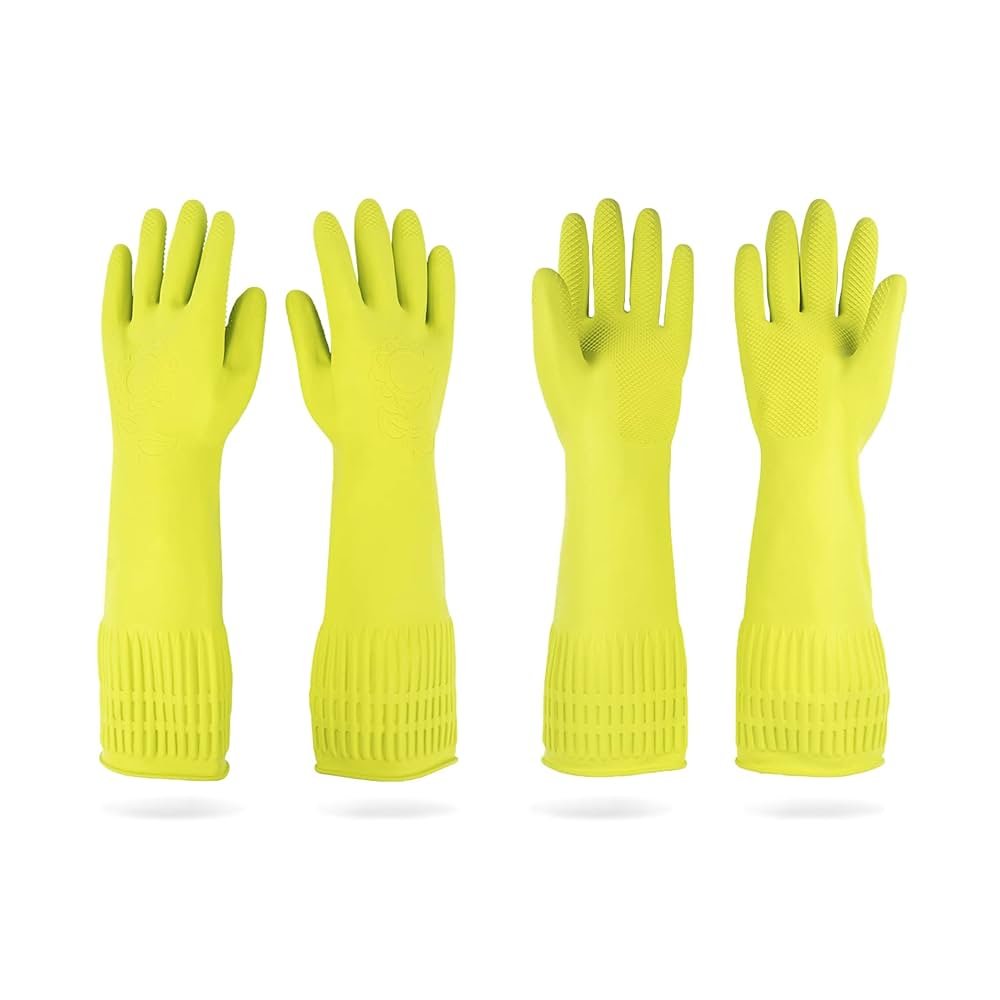
When you’re busy in the kitchen, safety is a top priority. Whether you’re chopping vegetables or handling hot pots, the right kitchen gloves can make all the difference.
But with so many options out there, how do you choose the safest type for your needs? You deserve to feel confident and protected, no matter what culinary challenge you’re tackling. We’ll explore the different types of kitchen gloves available, and help you discover which ones offer the best protection.
Get ready to enhance your kitchen safety and keep your hands out of harm’s way. Don’t miss out on finding the perfect pair for your cooking adventures!

Credit: ecogloves.co
Types Of Kitchen Gloves
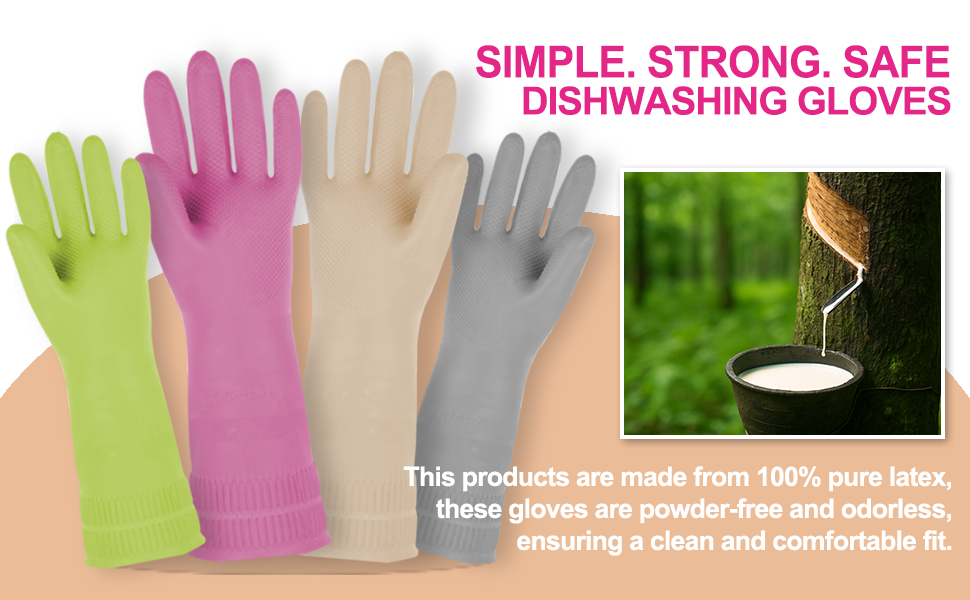
Latex glovesare soft and flexible. They fit well and offer good protection. Great for light kitchen tasks but not good for people with latex allergies.
Nitrile glovesare strong and resist many chemicals. They are good for people allergic to latex. These gloves are perfect for handling raw meat and cleaning.
Vinyl glovesare cheaper and less durable. They work for short tasks like food prep but tear easily. Not suitable for heavy-duty jobs.
Heat-resistant glovesprotect hands from hot pots and pans. Made from thick materials, they help prevent burns. Ideal for baking and grilling.
Cut-resistant glovesare made with strong fibers. They protect from sharp knives and slicers. Useful when chopping vegetables or filleting fish.

Credit: www.amazon.com
Material Safety And Allergies
Gloves can cause allergies due to certain materials. Latexis a common allergen that may cause skin reactions. Some people feel itchy or get rashes from latex gloves. Nitrileand vinylgloves are less likely to cause allergies.
Powdered glovescan also irritate skin and cause problems. It is best to choose powder-freegloves to reduce this risk.
- Hypoallergenic glovesare made for sensitive skin.
- They often use nitrileor vinyl.
- These gloves help prevent allergic reactions.
- Look for gloves labeled hypoallergenicor latex-free.
Heat Protection Levels
Heat protectionin kitchen gloves depends on the materialused. Some materials can resist very high temperatures. Silicone is one such material, known for its flexibilityand heat resistance. Kevlar offers excellent protection and is often used in heavy-duty gloves. Cotton gloves with special heat-resistant coatings provide moderate protection. Wool and leather also offer some heat resistance but are less effective for very hot surfaces.
Testing heat resistance involves measuring the glove’s abilityto protect hands from hot objects. This is done by exposing gloves to heat and recording how long they keep heat from passing through. The higher the resistance time, the safer the glove is in hot environments. Gloves are tested for temperature limits and how quickly heat reaches the skin.
Cut Resistance Features
Cut-resistant materialshelp protect hands from sharp knives and tools. Common types include Kevlar, Dyneema, and metal mesh. Kevlar is lightweight and flexible, making it comfortable for long use. Dyneema is very strong and used in heavy-duty gloves. Metal mesh gloves offer the highest protection but can be stiff. Choosing the right material depends on the task and comfort needs.
| Glove Rating | Description | Protection Level |
|---|---|---|
| ANSI Level A1 | Basic cut resistance | Low |
| ANSI Level A4 | Moderate cut resistance | Medium |
| ANSI Level A9 | Highest cut resistance | High |
Look for gloves tested under ANSIor EN 388standards. These ratings tell how well gloves resist cuts. Higher levels mean better protection but may reduce flexibility.
Grip And Dexterity
Textured surfaceson kitchen gloves improve grip by creating friction. This helps hold slippery items like wet dishes or greasy pans safely. Gloves with small raised patterns or dots work well for a firm hold. The texture must be rough enough to prevent slipping but not so rough that it damages delicate items.
Balancing protection and flexibilityis key for kitchen gloves. Thick gloves protect from cuts and heat but can reduce finger movement. Thin gloves allow easy hand movement but offer less protection. Ideal gloves combine a flexible material with enough thickness to keep hands safe.
- Textured surfaces increase safety by preventing slips.
- Good gloves fit snugly for better control.
- Flexible gloves help with precise tasks like cutting.
- Protection should not block hand movements.
Cleaning And Maintenance
Silicone gloves are a safe choice for kitchen use because they resist heat and are easy to clean. They do not absorb water or odors, helping maintain hygiene. Choosing gloves with a good grip also prevents slips and accidents while cooking.
Reusable Vs Disposable Gloves
Reusable glovesare made from durable materials like silicone or thick rubber. They can be washed and used many times, making them cost-effective and eco-friendly. Disposable glovesare usually thin latex or nitrile gloves. They are meant for single use and help avoid cross-contamination in the kitchen.
Reusable gloves require proper cleaning after each use. Disposable gloves must be thrown away immediately after use to keep hands safe and clean.
Proper Cleaning Techniques
- Wash reusable gloves with warm water and mild soap.
- Rinse thoroughly to remove all soap.
- Allow gloves to air dry completely before next use.
- Inspect gloves for holes or tears before wearing.
- Store gloves in a clean, dry place away from sunlight.
Choosing Gloves For Specific Tasks
Handling hot itemsrequires gloves made from heat-resistant materials like silicone or aramid fibers. These gloves protect hands from burns and allow a good grip on hot pots or pans. Avoid thin gloves that can easily tear or transfer heat.
Food preparationneeds gloves that are food-safe, flexible, and comfortable. Nitrile or latex gloves are common choices. They help keep food clean and protect hands from raw ingredients. Choose gloves that fit well to keep dexterity.
Cleaning and chemicalsdemand gloves resistant to harsh substances. Thick rubber or neoprene gloves shield skin from chemicals and water. They also prevent irritation and dryness. Always check the glove’s chemical resistance before use.
Top Brands And Recommendations
Top kitchen glove brandsoffer safety and comfort. Look for gloves made with heat-resistant materialslike silicone, Kevlar, or leather. These protect your hands from burns and cuts.
Gloves from brands such as Ove Glove, Grill Armor, and Magidare well-known for quality. They provide durability and flexibilityto handle hot pots and sharp knives.
- Ove Glove:Silicone outer layer with high heat protection.
- Grill Armor:Double layer for extra burn resistance.
- Magid:Kevlar gloves for cut resistance and heat safety.
Choose gloves that fit well. Too loose or too tight gloves can cause accidents. Also, check if the gloves are easy to clean and dry quickly.
Credit: www.amazon.com
Frequently Asked Questions
What Is The Safest Material For Kitchen Gloves?
Silicone and Kevlar are the safest materials for kitchen gloves. They provide heat resistance and durability. Both protect hands from burns and cuts effectively during cooking.
Are Heat-resistant Gloves Better For Kitchen Safety?
Yes, heat-resistant gloves are better as they prevent burns. They allow safe handling of hot pots and pans. Always choose gloves with certified heat protection ratings.
How Do Waterproof Kitchen Gloves Improve Safety?
Waterproof gloves prevent water from causing slips or burns. They keep hands dry and maintain a firm grip. This reduces accidents when handling hot or wet items.
Can Cut-resistant Gloves Protect In The Kitchen?
Cut-resistant gloves are essential for handling sharp knives safely. They reduce the risk of accidental cuts. These gloves are made from materials like Kevlar or stainless steel fibers.
Conclusion
Choosing the safest kitchen glove depends on your cooking needs. Heat resistance and cut protection matter most. Silicone gloves work well for heat, while Kevlar suits sharp tools. Comfort and fit keep your hands safe and steady. Clean gloves help avoid germs and slips.
Always replace worn-out gloves for better safety. A good glove makes cooking safer and easier. Keep your hands protected with the right choice. Safety first, every time you cook.