

Have you ever found yourself standing in the kitchen, wondering if your roast chicken is perfectly cooked or if your steak is done just the way you like it? Choosing the right thermometer can make all the difference between a delicious meal and a culinary disaster.
You might have heard about instant read and leave-in thermometers, but do you know which one is right for your cooking needs? Understanding the difference between these two types of thermometers can elevate your cooking skills and give you the confidence to tackle any recipe.
We’ll dive into the specifics of each, helping you make an informed choice that will satisfy your inner chef and impress your taste buds. Keep reading to discover which thermometer will become your new kitchen ally and ensure every dish you prepare is cooked to perfection.
Instant Read Thermometers
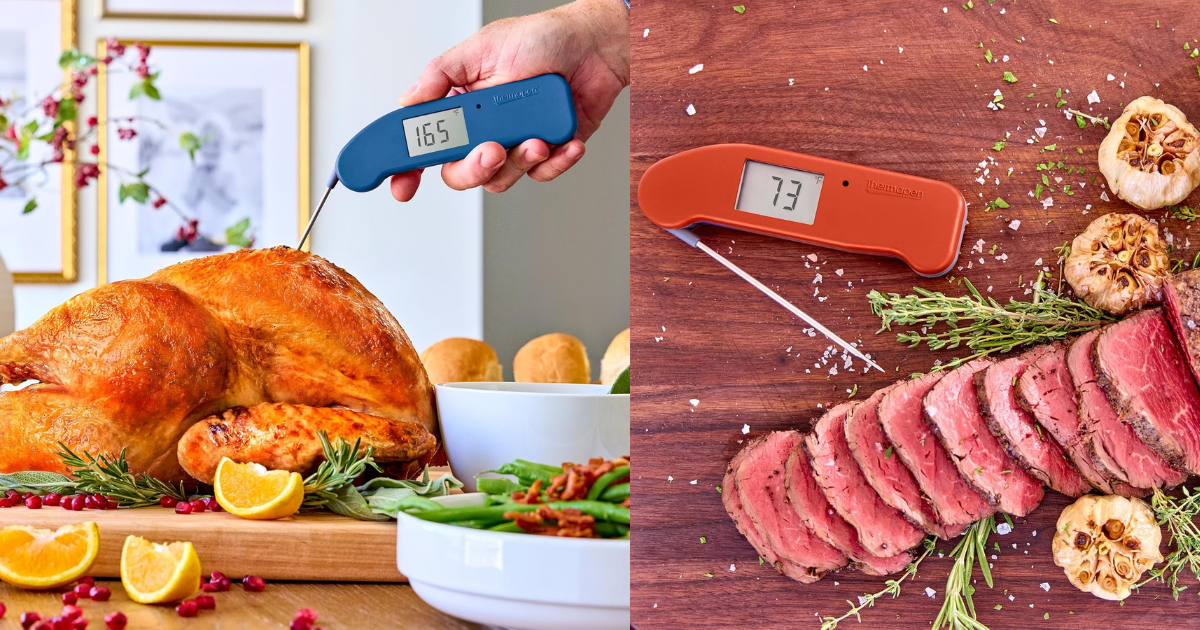
The designof instant read thermometers is simple and handy. They usually have a digital displayand a thin metal probe. This probe is inserted into food to measure temperature quickly. They are small and easy to hold.
Instant read thermometers work by using a sensor in the probe. The sensor detects the temperature inside the food. Then, it shows the result on the digital screen in seconds. This quick reading helps check if food is cooked properly.
- Checking meat, poultry, and fish temperatures
- Testing liquids like soups and sauces
- Verifying oven or grill heat
Advantages include fast resultsand easy use. They do not stay in food while cooking. But, they only measure temperature at the moment of testing. This means you must test multiple times for accuracy.
Credit: livegreenspdx.com
Leave-in Thermometers
Leave-in thermometers stay inside the food while cooking to monitor temperature continuously. Instant-read thermometers measure temperature quickly when inserted and removed. Both help ensure food is cooked safely but serve different cooking needs.
Design And Features
Leave-in thermometers have a simple, long probe and a display at the top. They are built to stay inside food during cooking. The probe is thin and made of metal for good heat sensing. Most models show the temperature on a small screen. Some come with alarms to alert when food reaches the right heat.
How They Work
The thermometer probe stays inside the food while it cooks. It measures the internal temperature continuously. The display shows real-time heat levels. This helps to cook food evenly and safely. The device works without needing to open the oven or grill often.
Common Uses
- Checking meat temperature in ovens or smokers
- Monitoring large roasts or turkeys
- Cooking food in slow cookers or grills
- Ensuring food reaches safe eating temperature
Advantages And Limitations
| Advantages | Limitations |
|---|---|
|
|
Key Differences
Instant read thermometers give quick temperature results by inserting the probe into food. Leave-in thermometers stay inside the food while cooking, providing continuous temperature monitoring. Both help ensure food safety but serve different cooking needs.
Response Time
Instant read thermometersgive temperature quickly, usually in a few seconds. Leave-in thermometerstake longer but offer steady readings. Fast checks suit instant read tools best. Slow, constant monitoring fits leave-in types.
Placement During Cooking
Instant read thermometers are inserted only to checktemperature then removed. Leave-in thermometers stay inside food while cooking. This helps track heatwithout opening the oven or grill.
Accuracy And Reliability
Leave-in thermometers often provide more consistent temperaturessince they stay in food. Instant reads can be accurate but depend on how long and where you check. Consistency favors leave-in models.
Durability And Maintenance
| Thermometer Type | Durability | Maintenance |
|---|---|---|
| Instant Read | Usually handheld and sturdy | Needs cleaning after each use |
| Leave-In | Exposed to heat for long times | Requires careful cleaning and storage |
Credit: inkbird.com
Choosing The Right Thermometer
Instant read thermometers give quick temperature results in seconds. Leave-in thermometers stay inside food to monitor heat over time. Choosing depends on how fast and often you want to check the temperature.
Cooking Style Considerations
Instant read thermometers are great for quick checks. They give fast results and work well for grilling or frying. Leave-in thermometers stay in food while cooking. They help monitor temperature over time, perfect for roasting or smoking. Pick one based on how you cook and the food type.
Budget And Value
| Thermometer Type | Price Range | Key Benefits |
|---|---|---|
| Instant Read | Low to Mid | Affordable, fast results, easy to use |
| Leave-In | Mid to High | Continuous monitoring, better for long cooks |
User Experience And Preferences
- Instant read thermometers need manual checking.
- Leave-in thermometers free hands during cooking.
- Some prefer instant read for speed and control.
- Others like leave-in for slow cooking peace of mind.
- Choose what feels easiest and suits your style.
Tips For Effective Temperature Measurement
Use the thermometer properly for accurate readings. Insert the probe fully into the food or liquid. Hold it steady until the reading stops changing.
Clean the probe with warm, soapy water before and after use. This keeps it safe and hygienic. Avoid submerging the entire thermometer unless it’s waterproof.
Common mistakes include not placing the probe correctly or reading too soon. Avoid touching bones or the container’s bottom, as this gives wrong temperatures.
- Do not leave the thermometer in food too long.
- Do not use a dirty or damaged probe.
- Calibrate the thermometer regularly for best results.

Credit: www.thermoworks.com
Frequently Asked Questions
What Is An Instant Read Thermometer Used For?
An instant read thermometer quickly measures food temperature. It provides fast, accurate results in seconds. Ideal for checking doneness during cooking.
How Does A Leave-in Thermometer Work?
A leave-in thermometer stays inside food while cooking. It continuously monitors temperature for consistent, even cooking. Perfect for roasts and large cuts.
Which Thermometer Is Better For Grilling?
Instant read thermometers are best for quick checks. Leave-in thermometers suit longer cooks and slow grilling. Choose based on cooking style and timing.
Can I Use An Instant Read Thermometer For Baking?
Yes, instant read thermometers help verify baked goods’ internal temperature. They ensure food safety and perfect texture. Use them right before serving.
Conclusion
Instant read thermometers give quick temperature results. Leave-in thermometers stay inside the food while cooking. Both tools help ensure food is safe and tasty. Choose instant read for fast checks and leave-in for continuous monitoring. Knowing their differences helps cook better meals every time.
Use the right thermometer to avoid undercooked or overcooked food. Cooking becomes easier and safer with these tools. Simple steps, better results.