
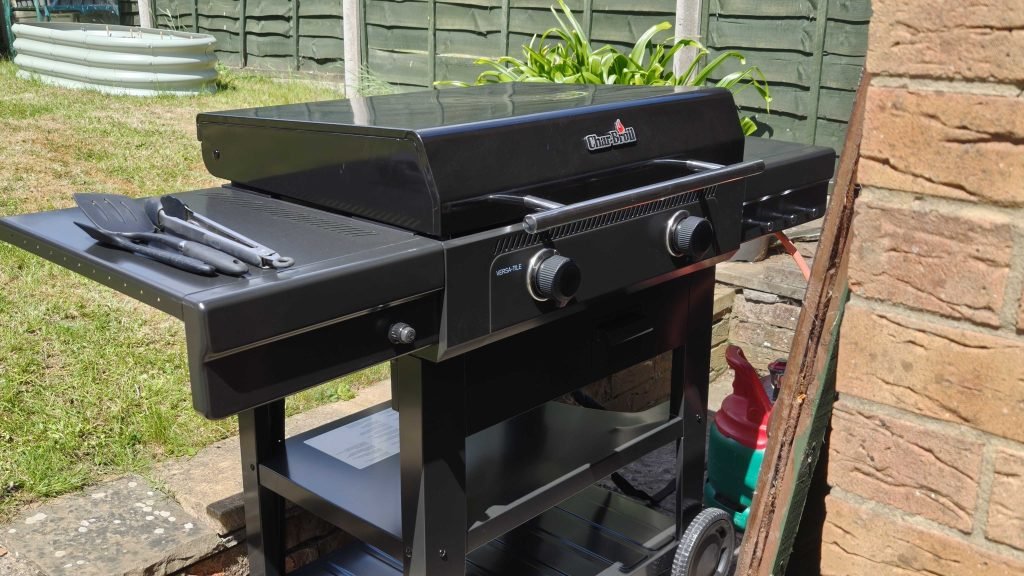
Are you wondering whether an electric grill or a gas grill is the right choice for your next barbecue? Choosing between these two can feel confusing, especially when you want the best flavor, convenience, and value for your money.
You’ll discover the key differences that matter most to you—how each grill works, their pros and cons, and which one suits your lifestyle better. Keep reading, and by the end, you’ll have a clear answer that makes your grilling decisions easier and more satisfying.
Electric Grill Basics
Electric grills use electricity to cook food. They are popular for indoor grilling. These grills do not need charcoal or gas.
Understanding how electric grills work helps you decide if they suit your cooking style. They offer a cleaner and safer option for grilling.
How Electric Grills Work
Electric grills have a heating element inside. This element heats up when you plug in the grill and turn it on. The heat cooks the food placed on the grill surface.
The temperature is often controlled by a knob or digital control. Heat spreads evenly over the grill plate. This lets you cook food without flames or smoke.
Common Features
Electric grills come with features that make grilling easy and safe. Most have non-stick surfaces for easy cleaning. Some models include removable plates.
- Adjustable temperature controls
- Indicator lights for power and heat
- Non-stick or cast iron grill plates
- Drip trays to catch fat and juices
- Compact size for indoor use
Pros And Cons
Electric grills have benefits and some drawbacks. They are easy to use and clean. You can grill inside without smoke or fire risks.
Some limits include lower heat compared to gas grills. They may take longer to cook. Also, electric grills need a power source nearby.
- Pros:Safe for indoors, easy to clean, no fuel needed
- Cons:Less heat, slower cooking, needs electricity
Credit: www.engadget.com
Gas Grill Essentials
Gas grills use propane or natural gas to cook food. They heat quickly and offer easy temperature control.
This makes gas grills a popular choice for many backyard cooks who want fast and steady heat.
How Gas Grills Operate
Gas grills work by burning gas fuel through burners under the cooking surface. The burners create flames that heat the grill grates.
When you turn the control knobs, gas flows to the burners. Igniters light the gas, and the grill heats up quickly for cooking.
Key Components
- Burners:Metal tubes that distribute gas and create heat.
- Control knobs:Adjust the gas flow and temperature.
- Igniter:Sparks the gas to start the flame.
- Grates:The cooking surface where food is placed.
- Gas supply:Propane tank or natural gas line.
- Heat shields:Protect burners and distribute heat evenly.
Advantages And Disadvantages
| Advantages | Disadvantages |
| Heats up fast and cooks food quickly. | Needs a gas supply, which may run out or leak. |
| Easy to control temperature with knobs. | Less smoky flavor than charcoal or wood grills. |
| Clean and simple to use with little ash to clean. | More complex parts can need repairs over time. |
| Can be used indoors with proper ventilation. | Propane tanks require safe storage and handling. |
Performance Comparison
Electric and gas grills differ in how they cook food. Their performance varies based on heat, speed, and flavor.
Understanding these differences helps you choose the right grill for your needs.
Heat Distribution And Control
Gas grills heat quickly and offer easy temperature control using knobs. Electric grills take longer to heat and may have uneven heat spots.
| Feature | Electric Grill | Gas Grill |
| Heat Speed | Slower | Faster |
| Heat Control | Less precise | More precise |
| Heat Distribution | Can be uneven | More even |
Cooking Speed
Gas grills cook food faster than electric grills. They reach higher temperatures quickly, which shortens cooking time.
- Gas grills heat up in about 10 minutes.
- Electric grills need around 15 to 20 minutes.
- Faster cooking helps keep food juicy and tender.
Flavor Differences
Gas grills add a smoky flavor because of the open flame. Electric grills lack this and cook food with a milder taste.
- Gas grills create char marks and smoke.
- Electric grills produce less smoke and no flare-ups.
- Flavor may feel less intense on electric grills.
Convenience And Maintenance
Electric and gas grills differ in how easy they are to use and clean. These differences affect your grilling experience daily.
We will look at setup and portability, cleaning tips, and storage considerations for both grill types.
Setup And Portability
Electric grills need a power outlet to work. You just plug them in, and they start heating quickly. Gas grills require a propane tank or natural gas connection. They take longer to set up but offer higher heat for cooking.
- Electric grills are lighter and smaller, making them easy to move and store.
- Gas grills tend to be larger and heavier, but some models have wheels for easier transport.
- Electric grills suit balconies and small spaces where gas is not allowed.
- Gas grills work well for outdoor areas with enough room and ventilation.
Cleaning Tips
Cleaning an electric grill is usually simpler. Most have removable plates that you can wash with soap and water. Gas grills have burners and drip trays that need careful cleaning to avoid clogs and flare-ups.
| Cleaning Task | Electric Grill | Gas Grill |
| Grill Plates | Removable and dishwasher safe | Fixed, clean with brush and soapy water |
| Drip Tray | Small, easy to empty | Larger, needs regular emptying |
| Burners | Not applicable | Clean to prevent blockages |
Storage Considerations
Store electric grills indoors or in dry places to protect electrical parts. Gas grills should be kept outside or in well-ventilated areas. Always disconnect the gas supply before storing.
- Cover both grill types with weatherproof covers to avoid rust.
- Keep gas tanks in an upright position and away from heat.
- Electric grills can be stored in cabinets or on shelves.
- Gas grills need space for safe gas tank storage.
Safety And Environmental Impact
Electric and gas grills are popular for outdoor cooking. Both have different safety and environmental effects.
Understanding their differences helps you choose the right grill for your needs and values.
Safety Features
Gas grills use flammable propane or natural gas. This can cause fire risks if not handled carefully.
Electric grills use electricity, which lowers the risk of fire but needs safe wiring and outlets.
- Gas grills need proper gas connections and leak checks.
- Electric grills require grounded outlets and dry conditions.
- Both grills benefit from supervision while cooking.
- Gas grills can produce flare-ups that cause burns.
- Electric grills heat up quickly and turn off easily.
Emissions And Eco-friendliness
Gas grills burn fuel and release carbon dioxide and other gases. This adds to air pollution.
Electric grills do not produce direct emissions. Their impact depends on how electricity is made.
| Type of Grill | Emissions | Environmental Impact |
| Gas Grill | CO2, methane, and other gases | Higher air pollution and carbon footprint |
| Electric Grill | Depends on electricity source | Lower if renewable energy is used |

Credit: homefires.com.au
Cost Factors
Choosing between an electric grill and a gas grill depends on many things. One important factor is cost. It helps to know how much each grill will cost you over time.
This guide looks at the main cost factors for electric and gas grills. It covers the price to buy, the cost to use, and the long-term value.
Initial Purchase Price
Electric grills usually cost less when you buy them. They have simpler parts and are easier to make. Gas grills often cost more because they have more parts and need safety features.
Prices vary by brand and size. Small electric grills can start very low. Gas grills often start at a higher price but offer more cooking space.
- Electric grills: lower starting price
- Gas grills: higher starting price
- Size and brand affect the cost for both
Operating Expenses
Electric grills use electricity, which usually costs less than gas. The cost depends on how long you grill and your local electricity rates.
Gas grills use propane or natural gas. Propane tanks need refilling or replacing, which can add up. Natural gas is often cheaper but needs a gas line connection.
- Electric grills: cost depends on electricity rates
- Gas grills: cost depends on propane or natural gas prices
- Gas tanks need refilling or replacement
Long-term Investment
Electric grills may last longer because they have fewer parts that wear out. They need less maintenance and have no fuel tanks to replace.
Gas grills may need more repairs over time. You might replace burners or gas hoses. But gas grills often have a higher resale value.
- Electric grills: lower maintenance costs
- Gas grills: possible repairs and part replacements
- Gas grills may keep value better over time
Choosing The Right Grill
Choosing between an electric and gas grill depends on your needs and space. Both types cook food well but work differently.
Think about how you will use the grill and where you will place it. Your budget also matters in making the right choice.
Lifestyle And Usage Needs
If you grill often or for many people, a gas grill is a good choice. It heats up fast and cooks food evenly.
An electric grill works well for small meals and quick cooking. It is easy to use and clean, good for casual grilling.
- Gas grills suit frequent and large cooking
- Electric grills fit casual or small cooking needs
- Consider how much time you want to spend grilling
Space And Location
Electric grills need a power outlet and are safe to use indoors or on balconies. They are usually compact.
Gas grills need more space for the gas tank and proper ventilation. They work best outdoors in open areas.
- Electric grills fit small spaces and indoor areas
- Gas grills require outdoor space and ventilation
- Check local rules about grill use on balconies or patios
Budget And Preferences
Electric grills usually cost less upfront and have lower running costs. They need electricity only.
Gas grills cost more at first but use propane or natural gas. Gas is often cheaper over time for heavy use.
- Electric grills have lower initial cost and easy use
- Gas grills have higher cost but lower fuel price
- Think about long-term costs and how often you grill

Credit: www.youtube.com
Frequently Asked Questions
What Are The Main Differences Between Electric And Gas Grills?
Electric grills use electricity, while gas grills use propane or natural gas. Electric grills are generally easier to use and clean. Gas grills offer more traditional grilling flavors and higher heat levels. Both have their advantages depending on your cooking preferences and available space.
Which Grill Is More Energy-efficient?
Electric grills are typically more energy-efficient than gas grills. They use electricity and convert it directly into heat. Gas grills can lose heat to the environment, making them less efficient. However, they can reach higher temperatures faster for quicker cooking.
Are Electric Grills Safer Than Gas Grills?
Electric grills are generally considered safer due to no open flames. They reduce the risk of flare-ups and accidental fires. Gas grills require careful handling of propane or natural gas. Proper maintenance and usage of both types will ensure safety.
Do Gas Grills Provide Better Flavor Than Electric?
Gas grills often provide a more traditional, smoky flavor that many grill enthusiasts prefer. The open flame allows for better caramelization and searing. Electric grills lack this feature but still cook food evenly and efficiently, offering convenience and versatility.
Conclusion
Choosing between an electric and gas grill depends on your needs. Electric grills work well indoors and are easy to clean. Gas grills offer strong heat and a smoky flavor. Both types have pros and cons to consider. Think about space, taste, and convenience before deciding.
Enjoy grilling with the right choice for you.