

When it comes to food prep, choosing the right glove material is crucial. Your safety and the quality of the food you prepare depend on it.
Imagine being able to chop, slice, and dice without worrying about cross-contamination or harmful chemicals. Wouldn’t that give you peace of mind? You’ll discover the best glove materials tailored for food preparation. You’ll learn which materials protect your hands and ensure the highest standards of food hygiene.
Keep reading to find out which glove material will transform your kitchen experience, making it safer and more efficient.
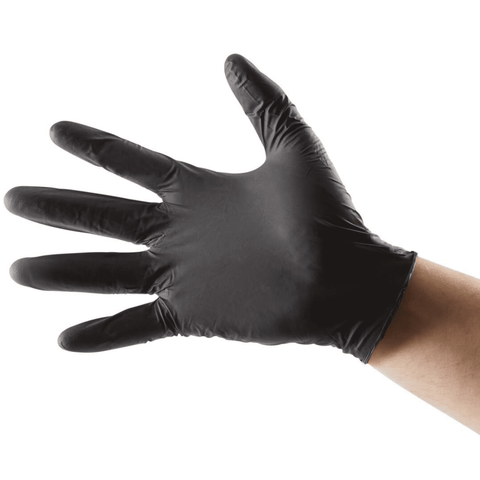
Credit: www.en.vermontcastingsbbq.com
Types Of Glove Materials
Latex glovesare soft and stretchy. They fit like a second skin. These gloves offer great comfortand good protectionagainst many germs. But some people may have allergic reactionsto latex.
Nitrile glovesare strong and puncture-resistant. They work well for those with latex allergies. These gloves provide good gripand are safe for food handling. They also resist many chemicals.
Vinyl glovesare cheap and loose-fitting. They are good for short tasks and low-risk food prep. Vinyl gloves do not stretch much and may tear easier than others.
Polyethylene glovesare thin and disposable. They are often used for quick tasks like serving food. These gloves do not fit tightly but are affordableand easy to use.
Key Factors For Food Prep Gloves
Food prep gloves must address several key factorsto ensure safety and efficiency.
Allergen concernsare crucial. Gloves made from latex can cause allergic reactions in some people. Nitrile or vinyl gloves are often safer choices.
Durability and strengthmatter. Gloves must resist tearing and punctures during food handling. Strong gloves help maintain hygiene and prevent contamination.
Comfort and fitaffect how well gloves perform. Gloves that fit snugly allow better hand movement and reduce fatigue during long food prep sessions.
Chemical resistanceis important for cleaning tasks. Gloves should protect skin from cleaning agents and food acids without breaking down.
Comparing Glove Materials
Glove materialsvary in protection. Nitrile gloves resist chemicals and punctures best. Vinyl gloves offer basic splash protection but tear easily. Latex gloves fit tightly and provide good barrier, but some people are allergic.
| Glove Material | Protection Level | Cost Efficiency | Environmental Impact | Ease of Use |
|---|---|---|---|---|
| Nitrile | High resistance to punctures and chemicals | Moderate cost, durable | Less biodegradable | Good fit, easy to wear |
| Vinyl | Low protection, basic splash barrier | Low cost | Less eco-friendly | Loose fit, less comfortable |
| Latex | Good barrier, stretchy | Moderate cost | Biodegradable | Snug fit, easy to use |

Credit: www.klipspringer.com
Best Gloves For Different Food Types
Raw meat and seafoodneed gloves that protect against bacteria and tears. Nitrile glovesare best as they resist punctures and chemicals well. They also stop cross-contamination.
Fresh producerequires gloves that keep food clean and safe. Latex gloveswork well here because they fit snugly and allow easy handling of fruits and veggies. But avoid latex if allergies exist.
Baked goodsbenefit from gloves that prevent crumbs and dough from sticking. Vinyl glovesare a good choice as they are loose fitting and cheap. They keep hands clean without much stretch.
Dairy productscall for gloves that maintain hygiene and avoid contamination. Nitrile or latex glovesboth do the job well. They help keep milk, cheese, and butter fresh and safe to eat.
Tips For Choosing The Right Gloves
Always check for certificationslike FDA or NSF on glove packages. These show the gloves meet safety standardsfor food handling. Certified gloves help reduce contamination risks.
Choosing the right sizeis key. Gloves too tight or loose cause discomfort and tears. Be aware of allergies, especially to latex. Non-latex options like nitrile or vinyl are safer for sensitive skin.
- Single-use glovesare best for one-time tasks to stop cross-contamination.
- Reusable glovessave money but need proper cleaning after use.
Dispose of gloves properly to keep your workspace cleanand safe. Never reuse single-use gloves. Follow local rules for glove disposal, especially if gloves contact raw food or chemicals.
Future Trends In Food Prep Gloves
Innovative materialsin food prep gloves focus on better safety and comfort. New types include biodegradable plasticsand natural rubber blends. These materials reduce skin allergies and improve grip. They also last longer, saving money.
Sustainability advancesare key for future gloves. Many brands use recycled materialsor plant-based sources. This helps cut waste and pollution. Compostable gloves become popular in kitchens that want to be eco-friendly.
Smart gloves technologybrings sensors to gloves. These can check temperature, contamination, or hand movements. They help workers stay safe and work better. This tech may become common in busy food prep places soon.

Credit: www.amazon.ca
Frequently Asked Questions
What Glove Material Is Safest For Food Preparation?
Nitrile gloves are safest for food prep. They resist punctures, chemicals, and allergens. They provide excellent hygiene and durability.
Are Latex Gloves Good For Handling Food?
Latex gloves offer great flexibility and comfort. However, they may cause allergies in some people. Use only if no allergy risk exists.
Why Choose Vinyl Gloves For Food Prep?
Vinyl gloves are affordable and latex-free. They are suitable for low-risk food tasks but less durable than nitrile gloves.
How Do Nitrile Gloves Compare For Food Safety?
Nitrile gloves resist chemicals and tears better than latex or vinyl. They ensure higher safety and longer use in food handling.
Conclusion
Choosing the right glove material keeps food safe and hands protected. Nitrile gloves offer good strength and allergy safety. Vinyl gloves work well for short tasks with low risk. Latex gloves fit snugly but may cause allergies. Consider your needs, budget, and comfort before deciding.
Clean hands and proper glove use matter most. Safe food prep starts with smart glove choices. Stay careful, stay healthy.