
Choosing the right apron can make a big difference in your cooking, crafting, or work experience. But with so many materials out there, how do you know which one is best for you?
The material of your apron affects comfort, durability, and how well it protects you. You’ll discover the top apron materials, their benefits, and which one suits your needs perfectly. Keep reading to find the apron that will make your tasks easier and more enjoyable.

Credit: undernysky.com
Types Of Apron Fabrics
Cotton apronsare soft and breathable. They absorb spills well and are easy to clean. Ideal for kitchen use and light work.
Polyester apronsresist wrinkles and stains. They dry quickly and last long. Great for busy environments where durability matters.
Canvas apronsare thick and tough. They protect well against cuts and heat. Often used in workshops and gardening.
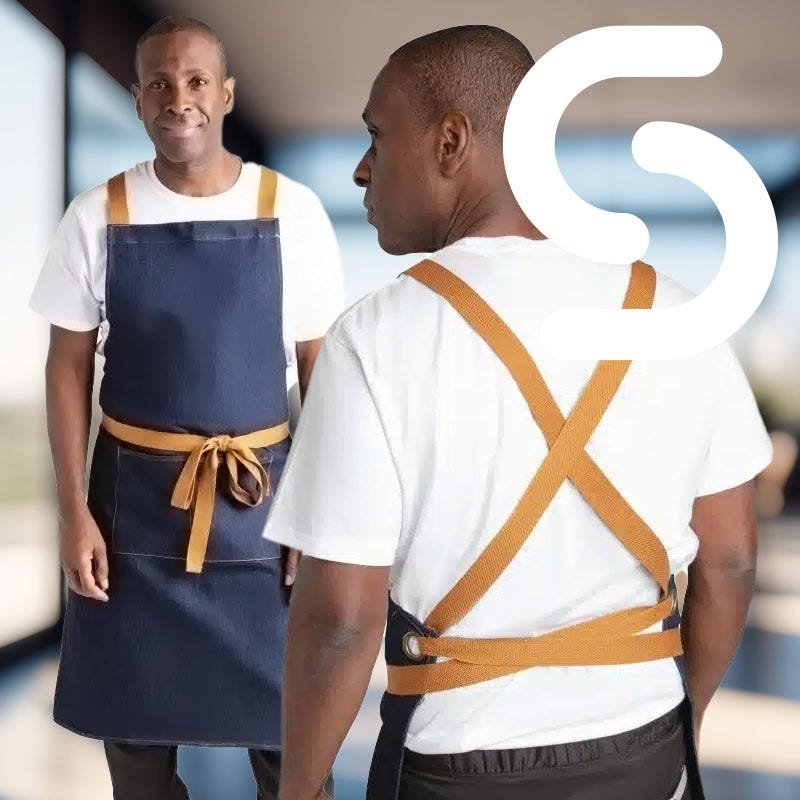
Denim apronscombine style and strength. They are durable and hide stains well. Perfect for casual cooking or crafting.
Leather apronsoffer strong protection from heat and sharp tools. They are heavy but very durable. Common in welding and grilling.
Linen apronsfeel light and cool. They dry fast and look neat. Suitable for light kitchen tasks or serving.

Credit: splashfabric.com
Factors Affecting Durability
Fiber strengthaffects how long an apron lasts. Strong fibers resist tears and wear. Cotton and polyester blends are popular for their good strength.
Weave typechanges the fabric’s durability. Tight weaves are tougher and last longer. Looser weaves may wear out faster but can be softer to wear.
| Factor | Effect on Durability |
|---|---|
| Fabric Weight | Heavier fabrics usually last longer and protect better. |
| Resistance to Stains and Water | Materials that repel stains and water stay cleaner and last longer. |
| Ease of Cleaning | Fabrics that clean easily keep their look and strength over time. |
Best Apron Fabrics For Different Uses
Cottonaprons are soft and easy to wash, perfect for cooking and baking. They absorb spills and are comfortable to wear for long periods.
Canvasworks well for crafting and painting. It is thick and protects clothes from paint and glue stains.
Polyester blendssuit gardening. They dry fast and resist dirt, making cleanup easier after outdoor work.
Leather apronsare great for barbecue and outdoor work. They protect from heat and sparks, staying durable under tough conditions.
Heavy-duty fabricslike denim and canvas are best for industrial and workshopuse. They offer strong protection against tools and dirt.
Comparing Comfort And Maintenance
Breathabilityis key for apron comfort. Cotton aprons allow air to flow, keeping you cool. Polyester aprons may trap heat but dry fast. Linen offers good breathability but wrinkles easily.
Flexibility and Fitmatter for ease of movement. Cotton and linen are soft and flexible. Polyester tends to be stiffer but holds shape well. A good fit prevents discomfort during long use.
| Material | Washing | Care Instructions |
|---|---|---|
| Cotton | Machine wash cold | Iron on medium heat, avoid bleach |
| Polyester | Machine wash warm | Use low heat dryer, no ironing needed |
| Linen | Hand wash or gentle cycle | Air dry preferred, iron while damp |
Cost Vs. Quality
Budget-friendly apron materialslike cotton and polyester blend are common. They cost less and feel soft. These fabrics are easy to clean but may wear out fast with heavy use.
Premium durable fabricssuch as canvas, denim, and leather last longer. They resist stains and tears better. These aprons protect well during tough tasks but cost more upfront.
| Material | Cost | Durability | Best For |
|---|---|---|---|
| Cotton | Low | Moderate | Light kitchen work |
| Polyester Blend | Low | Moderate | Everyday use |
| Canvas | Medium | High | Heavy-duty tasks |
| Denim | Medium | High | Workshop and cooking |
| Leather | High | Very High | Protection and style |
Longevity and valuedepend on apron use. More durable fabrics save money over time. Less expensive aprons suit rare or light use. Choose based on how often and hard the apron will work.
Tips For Choosing The Right Apron Material
Think about what you will use the apron for. Cooking, gardening, or crafts need different fabrics. Choose material that feels comfortable and suits your tasks.
Fabric blends mix the best parts of different materials. Cotton-polyester blends are strong and easy to clean. Pure cotton is soft but may stain easily. Polyester resists water and stains but can feel less comfy.
Try fabric samples before buying. Touch and fold them to check softness and weight. See if the fabric feels right on your skin. This helps pick the best apron for your needs.

Credit: www.cosmicaprons.com
Frequently Asked Questions
What Is The Most Durable Apron Material?
Canvas is the most durable apron material. It resists tears, withstands heavy use, and offers excellent protection. Canvas aprons are ideal for chefs and craftsmen who need long-lasting gear.
Which Apron Material Is Best For Water Resistance?
Polyester and coated cotton aprons provide the best water resistance. They repel liquids, keeping you dry during messy tasks. These materials are perfect for cooking, bartending, or gardening.
Are Cotton Aprons Comfortable For Daily Use?
Yes, cotton aprons are comfortable and breathable. They absorb sweat and feel soft on the skin. Cotton is suitable for everyday kitchen use and light work environments.
What Apron Material Is Easiest To Clean?
Polyester aprons are the easiest to clean. They resist stains and dry quickly after washing. Polyester is great for busy kitchens or workshops requiring frequent laundering.
Conclusion
Choosing the right apron material depends on your needs. Cotton offers comfort and breathability. Ideal for light tasks. For durability, try canvas or denim. These materials handle tough jobs well. Synthetic fabrics resist stains and dry quickly. Perfect for busy kitchens.
Leather provides style and heat resistance. A great choice for grilling. Each material has unique benefits. Think about what you need most. Comfort, durability, or style? Match the material to your tasks. This ensures your apron serves you best. Happy cooking!