

Are you planning to upgrade your backyard for the ultimate cooking experience? If so, you might be wondering about the difference between an outdoor kitchen grill and a BBQ pit.
Both can transform your outdoor space and bring delicious flavors to your meals, but they serve different purposes and offer unique benefits. Understanding these differences will help you choose the perfect setup that matches your cooking style and lifestyle. Keep reading to discover which option suits your needs best and how it can elevate your next cookout.
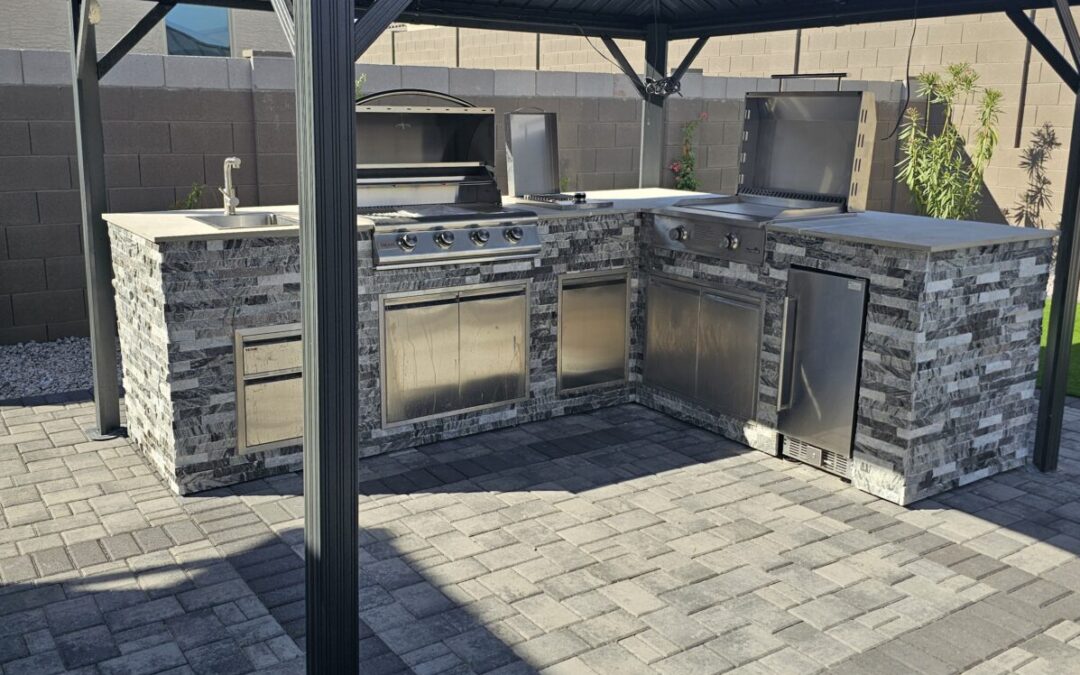
Credit: www.eztube.com
Outdoor Kitchen Grill Basics
Outdoor kitchens often include grills and BBQ pits. Both help cook food outside but work differently.
Understanding the difference helps you pick the right setup for your outdoor cooking.
Key Features
An outdoor kitchen grill is like a stove outside. It has a flat cooking surface or grates for direct heat.
A BBQ pit uses indirect heat and smoke to cook food slowly. It often has a covered chamber.
- Grills cook food fast with direct heat
- BBQ pits cook slow with smoke and indirect heat
- Grills have open cooking areas
- BBQ pits usually have lids to trap smoke
- Grills are good for burgers and steaks
- BBQ pits are best for ribs and brisket
Common Materials
Outdoor kitchen grills come in many materials. The choice affects durability and heat control.
BBQ pits also use strong materials to hold heat and smoke well for long cooking times.
- Stainless steel: rust-resistant and easy to clean
- Cast iron: holds heat well but needs care
- Ceramic: great heat retention for BBQ pits
- Brick or stone: common for built-in BBQ pits
- Aluminum: lightweight but less durable
Popular Fuel Types
Fuel type changes how grills and BBQ pits cook food. It also affects flavor and cooking time.
Choosing the right fuel depends on your taste and how you want to cook outdoors.
- Charcoal: adds smoky flavor, used in grills and pits
- Propane gas: quick heat, easy to control on grills
- Natural gas: steady heat, good for built-in grills
- Wood: classic flavor, mainly for BBQ pits
- Electric: convenient but less common outdoors

Credit: rtaoutdoorliving.com
Bbq Pit Essentials
Understanding the difference between an outdoor kitchen grill and a BBQ pit helps you choose the right cooking setup. Each has unique features for outdoor cooking.
This guide covers design variations, heat source options, and cooking techniques for both.
Design Variations
An outdoor kitchen grill is often a compact, standalone unit. It usually includes a grill surface, side shelves, and sometimes storage.
A BBQ pit is larger and built into the ground or a fixed structure. It often has a firebox and a cooking grate inside a pit or chamber.
- Outdoor kitchen grills are portable or semi-permanent.
- BBQ pits are mostly permanent and built on-site.
- Grills focus on quick cooking and grilling.
- Pits allow slow cooking with smoke.
Heat Source Options
Outdoor kitchen grills mostly use gas or charcoal for heat. Gas grills heat quickly and are easy to control.
BBQ pits use charcoal or wood. Wood gives a smoky flavor but needs more skill to manage heat.
| Heat Source | Outdoor Kitchen Grill | BBQ Pit |
| Gas | Common | Rare |
| Charcoal | Common | Common |
| Wood | Less Used | Common |
Cooking Techniques
Outdoor kitchen grills use direct heat to cook food fast. This works well for burgers, steaks, and vegetables.
BBQ pits use indirect heat and smoke. Food cooks slowly, absorbing smoky flavors. This suits ribs, brisket, and whole chickens.
- Grilling: fast, high heat, direct flame.
- Smoking: slow, low heat, indirect smoke.
- Roasting: slow heat, enclosed space.
Grill Vs Bbq Pit: Cooking Styles
Outdoor kitchen grills and BBQ pits are popular for cooking outside. Both cook meat, but they use different styles.
Understanding their cooking styles helps you choose the right one for your food and taste.
Direct Vs Indirect Heat
Grills use direct heat. Food cooks right above the flame or hot coals. This cooks food fast and gives a crispy outside.
BBQ pits use indirect heat. The fire is away from the food. Heat and smoke cook the meat slowly and gently.
- Grill: High heat, fast cooking
- BBQ Pit: Low heat, slow cooking
- Grill: Food is close to fire
- BBQ Pit: Food is away from fire
Temperature Control
Grills have simple temperature control. You adjust the flame size or move food closer or farther from heat.
BBQ pits need more skill to control temperature. You add or remove wood or charcoal and adjust vents to keep steady heat.
- Grill: Easy to change heat quickly
- BBQ Pit: Heat stays steady for hours
- Grill: Use gas knobs or charcoal placement
- BBQ Pit: Use airflow vents and fuel supply
Flavor Profiles
Grills give a charred, smoky flavor with a crispy texture. The quick cooking keeps juices inside.
BBQ pits add deep smoky flavors. Slow cooking breaks down meat fibers making it tender and rich in taste.
- Grill: Char marks and seared flavor
- BBQ Pit: Deep smoke and tender meat
- Grill: Best for steaks, burgers, veggies
- BBQ Pit: Best for ribs, brisket, pulled pork
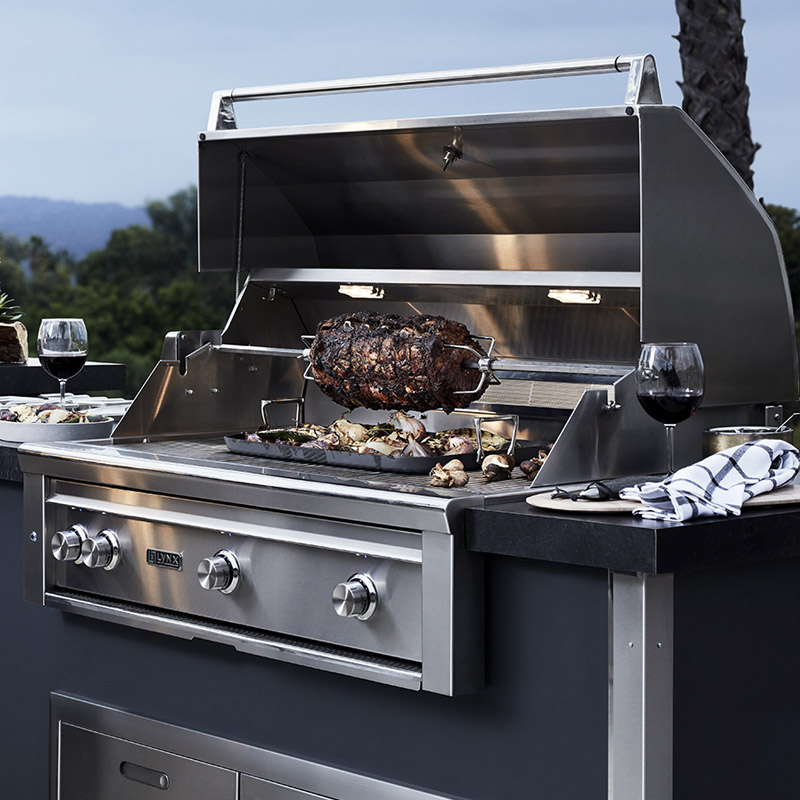
Credit: funoutdoorliving.com
Setup And Installation Differences
An outdoor kitchen grill and a BBQ pit serve similar cooking purposes but differ in setup and installation. Understanding these differences helps you choose the right option for your space and needs.
This section explains key setup and installation differences between outdoor kitchen grills and BBQ pits. We focus on space, materials, and portability.
Space Requirements
Outdoor kitchen grills need more space because they include countertops and storage. They fit well in large patios or backyards.
BBQ pits require less space. They are usually compact and can fit in smaller outdoor areas.
- Outdoor kitchen grill: needs wide, open space
- BBQ pit: fits in small or medium spaces
- Consider space for food prep with kitchen grills
Construction Materials
Outdoor kitchen grills use durable materials like stainless steel, stone, and granite. These materials resist weather and allow long-term use.
BBQ pits are often made from metal or brick. They focus on heat retention and simple design rather than full kitchen materials.
- Outdoor kitchen grill: stainless steel, stone, granite
- BBQ pit: metal, brick, or concrete
- Kitchen grills support more accessories and fixtures
Portability Factors
Outdoor kitchen grills are mostly permanent. They require professional installation and stay fixed in one place.
BBQ pits can be portable or built-in. Portable pits are easier to move and store after use.
- Outdoor kitchen grill: fixed, needs installation
- BBQ pit: available in portable and fixed versions
- Portable pits suit temporary or small outdoor setups
Maintenance And Longevity
Outdoor kitchen grills and BBQ pits need care to last long. Proper maintenance keeps them working well. It also protects your investment.
Knowing how to clean and care for each helps you avoid damage. This guide shares tips to keep both in good shape.
Cleaning Tips
Clean your outdoor kitchen grill after every use. Remove grease and food bits to stop buildup. BBQ pits also need ash and debris cleaned regularly.
Use warm water and mild soap for surfaces. Avoid harsh chemicals that can damage finishes. A wire brush works well for grill grates.
- Scrape grill grates after cooking
- Empty ash from BBQ pit after it cools
- Wipe surfaces with soapy water
- Rinse and dry all parts thoroughly
Durability Concerns
Outdoor kitchen grills often have stainless steel parts. This helps resist rust and wear. BBQ pits are usually made of heavy metal or stone.
Metal BBQ pits can rust if not protected. Stone pits may crack in cold weather. Choose materials that suit your climate for longer use.
- Stainless steel grills resist rust and corrosion
- Cast iron parts need seasoning to prevent rust
- Stone BBQ pits require sealing against moisture
- Check for cracks or rust regularly
Seasonal Care
Protect grills and BBQ pits in winter or rainy seasons. Cover them with weatherproof covers to avoid damage. Remove ashes and clean before covering.
Store small parts indoors if possible. Check for any damage after long storage. This helps fix problems early and keeps the equipment ready.
- Use covers to shield from rain and snow
- Store removable parts inside during winter
- Clean and dry before covering
- Inspect for rust or cracks after storage
Choosing The Right Option
Outdoor kitchens and BBQ pits both offer great ways to cook outside. Each has unique features that fit different needs.
Understanding their differences helps you pick the best one for your home and lifestyle.
Budget Considerations
Outdoor kitchen grills usually cost more because they include extra features. BBQ pits are simpler and often cheaper.
If you want a full cooking setup, expect to spend more. A BBQ pit is good for a smaller budget.
- Outdoor kitchen grills may include sinks, counters, and storage
- BBQ pits focus mainly on grilling space
- Installation costs are higher for outdoor kitchens
- BBQ pits often need less setup and maintenance
Cooking Preferences
Outdoor kitchen grills offer more cooking options. You can grill, roast, and sometimes bake.
BBQ pits focus on slow cooking and smoking flavors. They are great for traditional barbecue styles.
- Choose outdoor kitchen grills for quick meals and variety
- Pick BBQ pits for smoky, slow-cooked foods
- Consider how often you cook and what meals you like
Lifestyle Fit
Think about your outdoor space and how you use it. Outdoor kitchens need more room and care.
BBQ pits suit casual gatherings and smaller yards. They offer a simple, rustic cooking experience.
- Outdoor kitchen grills fit families who cook often outdoors
- BBQ pits fit those who enjoy weekend barbecues and socializing
- Consider how much time you want to spend on cooking and cleaning
Frequently Asked Questions
What Distinguishes An Outdoor Kitchen Grill From A Bbq Pit?
An outdoor kitchen grill uses gas or charcoal with a cooking grate. A BBQ pit is a larger, often wood-fired, enclosed smoker for slow cooking. Grills focus on direct heat, while pits use indirect, low-temperature smoking.
Can Outdoor Kitchen Grills Replace Traditional Bbq Pits?
Outdoor kitchen grills offer quick cooking and convenience, but lack the slow-smoking flavor of BBQ pits. BBQ pits provide authentic smoked taste ideal for large cuts. Both serve different cooking styles and are not direct substitutes.
Which Is Better For Backyard Parties: Grill Or Bbq Pit?
For quick meals and versatility, outdoor kitchen grills are better. For slow-cooked, smoky flavors and large gatherings, BBQ pits excel. Choice depends on cooking style, time, and flavor preference.
How Do Maintenance Needs Differ For Grills And Bbq Pits?
Grills require regular cleaning of grates and burners. BBQ pits need ash removal and occasional firebox cleaning. Both need weather protection, but pits often demand more care due to wood smoke residue.
Conclusion
Choosing between an outdoor kitchen grill and a BBQ pit depends on your cooking style. Grills offer quick, direct heat for fast cooking. BBQ pits use slow, low heat for tender, smoky flavors. Both bring fun and flavor to outdoor meals.
Think about space, time, and taste you want. This helps pick the best fit for your backyard. Enjoy cooking outside and sharing great food with friends and family.