
Imagine a kitchen where your refrigerator not only keeps your food fresh but also helps you manage your grocery list, suggests recipes based on what you have, and even lets you peek inside without opening the door. Sounds futuristic, right?
This is exactly what a smart refrigerator can do for you. As technology continues to weave its way into every corner of our homes, these innovative appliances are becoming the heart of a modern kitchen. But what exactly is a smart refrigerator, and how can it simplify your life?
If you’re intrigued by the idea of having your fridge do more than just chill your food, you’re in the right place. This article will unravel the features, benefits, and the sheer brilliance of smart refrigerators. Ready to transform your kitchen experience? Keep reading to discover how a smart refrigerator can become your newest kitchen assistant.
Features Of Smart Refrigerators
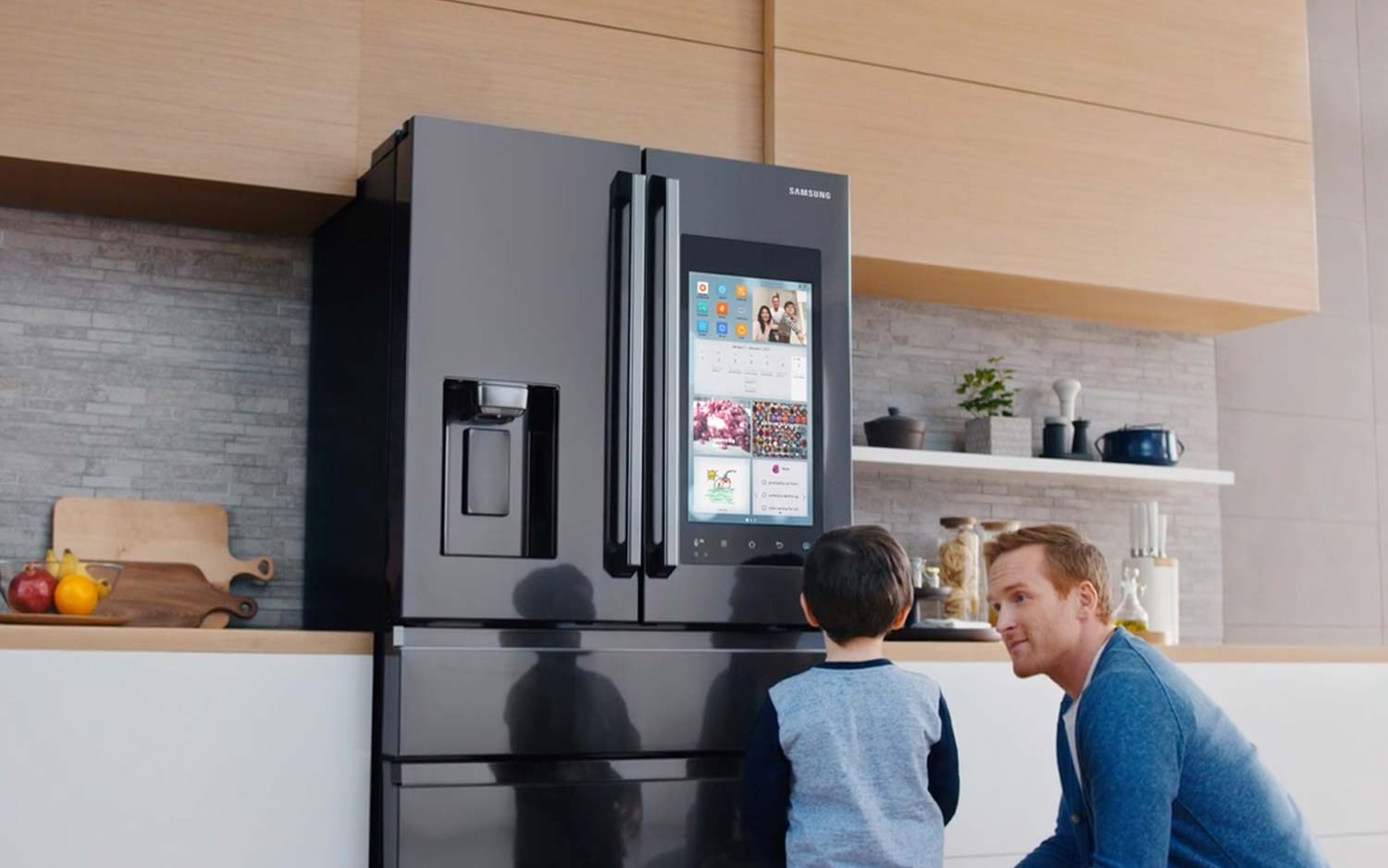
Smart refrigerators often have touchscreen displays. These screens let you see recipes or make lists. You can even watch videos or listen to music. A touchscreen makes the fridge fun and easy to use.
Many smart fridges work with voice control. You can ask the fridge to check items inside. Or, you can ask it to play your favorite song. Voice control makes the fridge feel like a friend.
Some smart fridges have interior cameras. These cameras let you see inside the fridge from your phone. You can check what food you have. This helps when you’re at the store.
Smart refrigerators are often energy efficient. They use less power to keep food cold. This is good for the earth and saves money. An efficient fridge is both smart and kind.
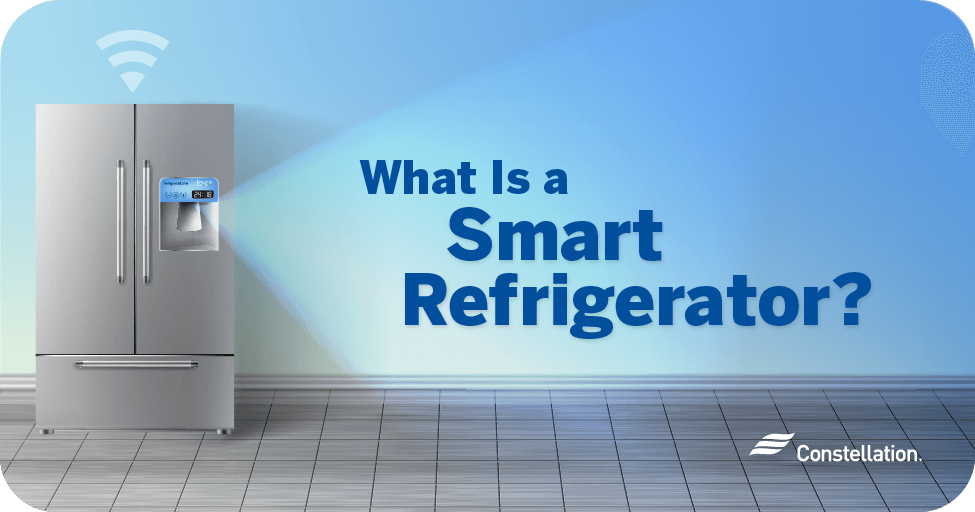
Credit: blog.constellation.com
Benefits In Daily Life
Smart refrigerators connect to the internet, offering convenience by tracking food inventory automatically. They suggest recipes based on available ingredients and help reduce food waste.
Convenience And Time-saving
Smart refrigerators offer amazing convenience. You can check contents without opening the door. This saves timeand keeps cold air inside. They have touchscreens for quick recipe access. Some models even allow you to create shopping lists. This makes planning easier.
Enhanced Food Management
Smart refrigerators help with food management. They track expiry dates. Alerts are sent when food is nearing expiry. This reduces waste and saves money. You can also adjust temperatures for different sections. This keeps food fresh for longer periods.
Remote Monitoring
Remote monitoring is a great feature. You can check the fridge from your phone. This ensures everything is working well. Alerts are sent if the door is left open. You can also change settings without being home.
Impact On Energy Consumption
Smart refrigerators use advanced sensors to keep food fresh. They adjust cooling levels based on usage. This reduces energy waste. Eco-friendly technologies help lower electricity bills. They use energy-efficient compressors. These compressors consume less power. Digital displays show energy usage. Users can monitor and control it easily. Smart features ensure efficient cooling. This helps in reducing carbon footprint.
Initial cost might be high. But savings add up over time. Energy-efficient models cut costs. They use less electricity. This means lower monthly bills. Smart diagnostics prevent costly repairs. They alert users to issues early. Automatic defrosting saves energy. Temperature control ensures optimal cooling. This extends food shelf life. Reduced spoilage means fewer trips to the store.

Credit: justenergy.com
Connectivity And Integration
Smart refrigerators are part of a smart home ecosystem. They connect to the internet to share information. You can control them using a smartphone or voice assistant. This feature makes life easier. Imagine checking your fridge while at the store. Smart fridges can send alerts when food is low. This helps in planning meals better.
Smart Home Ecosystems
A smart home has many connected devices. Your fridge can talk to these devices. It might sync with your home’s lighting. Or even your security system. This creates a seamless living experience. All devices work together to save time. You can have more control over your home.
Interoperability With Other Devices
Smart refrigerators work with other smart devices. They can connect with smart ovens. This helps in meal preparation. You can send recipes from the fridge to the oven. Your fridge might also connect to your TV. This way, you can see what’s inside the fridge on your TV screen. Such integration enhances convenience. It makes daily tasks simpler and more efficient.
Security And Privacy Concerns
Smart refrigerators connect to the internet, raising security and privacy concerns. Hackers might access personal data or disrupt functionality. Ensuring strong passwords and regular updates helps protect your information.
Data Protection
Smart refrigerators store your data. They connect to the internet. Your data is important. Protecting it is vital. Hackers can access this data. They might find personal information. This includes shopping habits and schedules. Manufacturers must ensure data safety.
They use encryption to protect data. Encryption makes data unreadable to hackers. Regular updates are necessary. Updates fix security flaws. Strong passwords also help. Change passwords often. Use unique passwords for each device.
User Privacy Measures
User privacy is crucial with smart devices. Manufacturers should respect it. They must not share data without consent. Clear privacy policies are essential. Users need to understand these policies. Privacy settings allow control over data. Users can choose what to share. They can restrict access to personal data.
Turning off location tracking is wise. It prevents location sharing. Users should read terms carefully. Understand what data is collected. This helps maintain privacy. Awareness is key to staying safe.
Credit: www.tomsguide.com
Future Trends In Smart Refrigeration
Smart refrigerators connect to the internet and offer advanced features like touch screens and voice commands. Future trends may include energy-efficient cooling, personalized temperature settings, and AI-powered food management. These innovations aim to enhance convenience and sustainability in modern kitchens.
Ai And Machine Learning
AI and machine learningmake fridges smarter. These technologies help the fridge learn. It remembers what foods you like. It can also tell when food is going bad. This helps reduce waste. The fridge can suggest recipes. It can tell what you have inside. This saves time and makes cooking fun.
Sustainability Innovations
Smart fridges are becoming eco-friendly. They use less power and keep food fresh longer. This means less food waste. Some fridges use solar power. This helps the environment. They also use better materials. These materials can be recycled. Smart fridges make homes greener and healthier.
Choosing The Right Smart Refrigerator
Smart refrigerators connect to the internet. They offer features like touchscreen displays and automatic inventory tracking. These appliances can help manage groceries and energy use efficiently.
Assessing Your Needs
Think about what you need in a fridge. Do you cook a lot? You might need more space. Love technology? A fridge with Wi-Fi might be fun. Energy-saving models can help cut your bills. Consider the size of your kitchen too. Measure the space before buying. Make sure doors can open easily. It’s important to pick the fridge that fits your lifestyle best.
Comparing Brands And Models
There are many brands out there. Each has different models. Some fridges have touchscreens. Others can order groceries for you. Compare prices of these models. Look at reviews from other buyers. Check which features are most useful. Make a list of what you want. Then find the brands that offer those. This will help you make a smart choice.
Frequently Asked Questions
What Is The Difference Between A Smart Refrigerator And A Normal Refrigerator?
A smart refrigerator connects to the internet, offering features like remote control, inventory tracking, and smart recipes. Normal refrigerators simply cool and store food without advanced connectivity or features.
What Are The Disadvantages Of A Smart Fridge?
Smart fridges are expensive and prone to technical issues. They require regular software updates and maintenance. Privacy concerns arise with data collection. Repair costs can be high due to complex technology. Compatibility issues might occur with other smart devices.
What Exactly Does A Smart Refrigerator Do?
A smart refrigerator connects to the internet for enhanced features. It manages inventory, suggests recipes, and offers remote access. You can control settings via smartphone apps and receive alerts. Built-in cameras let you see inside without opening the door. These features enhance convenience and energy efficiency.
What Does An Lg Smart Refrigerator Do?
An LG smart refrigerator connects to Wi-Fi, enabling remote control via smartphone. It offers features like inventory tracking, energy efficiency, and app integration. It also provides alerts for maintenance and allows users to view contents without opening the door, enhancing convenience and functionality in the kitchen.
Conclusion
Smart refrigerators bring convenience to modern kitchens. They offer features like inventory tracking. They help you manage groceries better. Connect with apps to simplify meal planning. These fridges save time and reduce food waste. Their touchscreens provide easy access to recipes.
Energy efficiency is another benefit. Smart fridges help lower electricity bills. They add value to your home with advanced technology. Investing in a smart fridge enhances daily life. Consider your needs and budget before purchasing. Smart refrigerators are a step towards a more organized kitchen.
They blend technology with everyday living.