
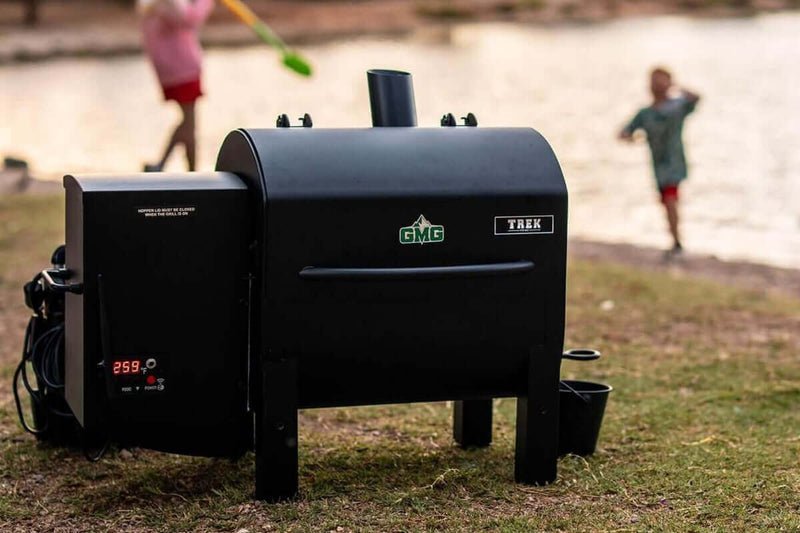
Are you curious about the secret behind perfectly smoky, juicy grilled food? A pellet grill might be exactly what you need.
It’s not just another grill—it combines the ease of modern technology with the rich flavor of traditional smoking. If you want to know how it works and why it could change the way you cook forever, keep reading. This guide will show you everything you need to understand about pellet grills and how they can take your outdoor cooking to the next level.
How Pellet Grills Work
Pellet grills use wood pellets as fuel to cook food. They combine heat, smoke, and air to cook evenly.
The grill has a hopper to hold pellets and a controller to manage temperature. It makes cooking simple and consistent.
Pellet Fuel And Its Benefits
Pellets are small pieces of compressed wood. They come from sawdust and wood waste with no additives.
Using pellets gives a clean burn and adds a smoky flavor to food. They are easy to store and handle.
- Burn cleaner than charcoal or wood logs
- Produce consistent heat and smoke
- Easy to measure and refill
- Available in different wood types for flavor
Temperature Control Mechanisms
Pellet grills use an electric controller to keep the temperature steady. It adjusts the pellet feed and fan speed.
The controller reads the grill temperature and adds pellets as needed. This keeps the heat stable for cooking.
- Thermostat monitors grill temperature
- Auger feeds pellets into the firepot
- Fan controls airflow for combustion
- Controller adjusts pellet feed and fan speed
Smoke Generation Process
Pellet grills generate smoke by burning the wood pellets slowly. The smoke adds flavor to the food.
The firepot burns pellets with air from the fan. This creates smoke that flows around the food inside the grill.
- Pellets drop into the firepot
- Electric igniter lights the pellets
- Fan provides oxygen for steady burn
- Smoke circulates inside the cooking chamber
Types Of Pellet Grills
Pellet grills come in different styles and options. Knowing the types helps you pick the right one.
This guide covers three key categories of pellet grills. Each has features that suit different needs.
Portable Vs. Stationary Models
Portable pellet grills are small and easy to move. They work well for camping or tailgating.
Stationary models are larger and designed to stay in one place. They offer more cooking space.
- Portable grills weigh less and fit in small spaces.
- Stationary grills have bigger hoppers for longer cooking.
- Portable models may have fewer features.
- Stationary grills often include extra shelves and storage.
Electric Vs. Digital Controls
Electric controls use simple knobs or switches to set temperature. They are easy to use.
Digital controls have screens and precise settings. They keep temperature steady for better results.
| Control Type | Features | Best For |
| Electric | Basic temperature control | Beginners or simple cooking |
| Digital | Precise temperature settings, timers | Advanced cooks and long cooks |
Size And Capacity Options
Pellet grills come in many sizes. Choose one based on how much food you cook.
- Small grills fit 4 to 6 burgers at once.
- Medium grills cook for a family or small group.
- Large grills handle many racks of ribs or whole chickens.
- Consider storage and space before picking size.
Choosing The Right Pellet Grill
Pellet grills use wood pellets to cook food with smoke and heat. They are easy to use and give food a smoky flavor.
Picking the right pellet grill can make your cooking better. Think about your budget, what you want to cook, and the brand.
Budget Considerations
Pellet grills come in many price ranges. Decide how much money you want to spend before choosing one.
Cheaper models may have fewer features. More expensive grills often last longer and cook more evenly.
- Set a clear budget range
- Look for grills with good reviews in your price range
- Think about extra costs like pellets and accessories
Cooking Needs And Preferences
Consider what types of food you want to cook. Some grills are better for smoking, others for grilling or baking.
Check the cooking space size. Bigger grills fit more food but cost more and take more room.
- Think about how many people you cook for
- Decide if you want to smoke, grill, or bake
- Check temperature ranges and control options
Brand Reputation And Warranty
Choose brands known for quality and customer support. A good brand usually means better parts and service.
Look for grills with a solid warranty. This protects you if something breaks or does not work right.
- Research customer reviews and ratings
- Check warranty length and what it covers
- See if the brand offers good customer help

Credit: www.walmart.com
Setting Up Your Pellet Grill
Setting up your pellet grill correctly helps you cook better food. Follow simple steps for assembly, loading pellets, and seasoning.
These steps prepare your grill for safe and tasty cooking. Each part is important for good results and long grill life.
Assembly Tips
Start by unpacking all parts and checking the list. Use the manual to assemble the grill carefully. Make sure screws and bolts are tight.
- Place the grill on a flat, stable surface.
- Attach legs or stand firmly.
- Connect the hopper to the main body.
- Check the drip tray and ash removal system.
- Plug in the power cord safely.
Pellet Loading And Storage
Use high-quality pellets for better smoke and flavor. Store pellets in a dry place to keep them from absorbing moisture.
| Pellet Type | Flavor | Best Use |
|---|---|---|
| Hickory | Strong, smoky | Beef, pork |
| Apple | Sweet, mild | Chicken, fish |
| Mesquite | Bold, earthy | Steak, ribs |
Initial Seasoning Process
Season your pellet grill before the first use. This step burns off oils and protects the metal.
- Fill the hopper with pellets.
- Turn on the grill and set temperature to 350°F (175°C).
- Let the grill run empty for 45 minutes.
- Turn off the grill and let it cool.
- Clean the cooking grate with a grill brush.
Mastering Pellet Grill Cooking Techniques
Pellet grills use wood pellets as fuel and offer versatile cooking options. They combine the flavor of wood smoke with precise temperature control.
Learning the right techniques helps you cook delicious meals on a pellet grill. This guide covers key methods to improve your skills.
Direct Vs. Indirect Heat
Direct heat means cooking food right over the heat source. Indirect heat cooks food beside the heat, not above it. Pellet grills allow easy switching between these methods.
- Direct heat is good for searing steaks and burgers.
- Indirect heat suits slow cooking like ribs and roasts.
- Use indirect heat to avoid burning delicate foods.
Smoking, Grilling, And Roasting
Smoking uses low temperature and long cooking time. It adds deep smoky flavor to meats. Grilling cooks food quickly at high heat. Roasting cooks evenly at moderate heat.
| Technique | Temperature | Cooking Time | Best For |
| Smoking | 180°F – 225°F | Several hours | Brisket, ribs, pork shoulder |
| Grilling | 400°F – 600°F | Minutes | Steaks, burgers, vegetables |
| Roasting | 300°F – 375°F | 1 to 3 hours | Chicken, turkey, whole fish |
Maintaining Consistent Temperature
Consistent temperature is key for good results on a pellet grill. The grill uses an electric controller to feed pellets and keep heat steady.
Tips to keep temperature steady:
- Keep the pellet hopper full during cooking.
- Clean the grill regularly to avoid blockages.
- Use a reliable digital thermometer for monitoring.
- Avoid opening the lid often to keep heat inside.
Cleaning And Maintenance
Keeping your pellet grill clean helps it work well and last longer. Regular care stops problems before they start.
Simple cleaning steps make your grill safe and ready for cooking any time.
Regular Cleaning Routine
Clean your pellet grill after each use to keep it in good shape. Remove ashes and food scraps to avoid buildup.
Wipe down surfaces and empty the drip tray often. This helps prevent rust and bad smells.
- Empty the ash from the firepot
- Clean the grill grates with a brush
- Wipe the inside walls to remove grease
- Empty and clean the drip tray
- Check and clean the pellet hopper
Troubleshooting Common Issues
If your grill does not heat well or the pellets don’t feed, check for blockages. Ash and dust can stop pellets from moving.
Look at the auger and clean it if you see any stuck pellets. Make sure the grill is dry and the pellets are fresh.
- Check pellet hopper for jams
- Clear ash from firepot and auger
- Use dry, high-quality pellets
- Inspect electrical parts for damage
- Restart the grill after cleaning
Storing Your Grill Properly
Store your pellet grill in a dry place to avoid rust and damage. Cover it with a grill cover to keep out dust and rain.
Remove pellets from the hopper before storing long-term. This stops moisture from ruining the pellets and the hopper.
- Empty pellet hopper and firepot
- Clean all parts before storage
- Cover grill with a weatherproof cover
- Keep grill in a dry, sheltered area
- Check grill before next use
Recipes To Try On A Pellet Grill
Pellet grills offer a unique way to cook food with smoky flavors. You can try many recipes from meats to vegetables. The slow and even heat makes grilling easy and fun.
Here are some tasty recipes to try on your pellet grill. They cover classic barbecue dishes, vegetarian meals, and even desserts and sides.
Classic Bbq Favorites
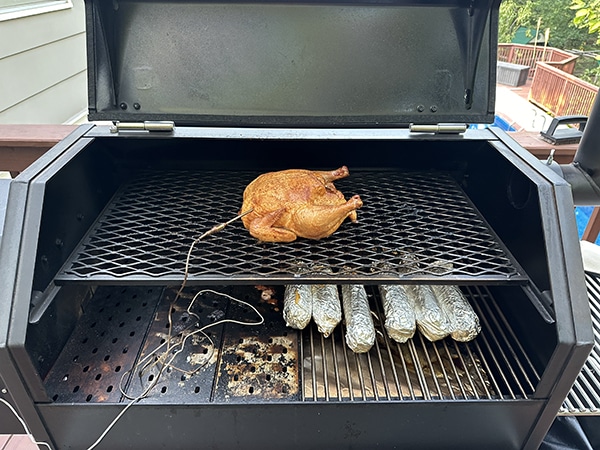
Pellet grills are perfect for classic barbecue recipes. You can smoke ribs, brisket, and chicken with great flavor. Try these simple recipes to enjoy a smoky taste.
- Smoked Beef Brisket with dry rub
- BBQ Pulled Pork shoulder
- Grilled BBQ Chicken thighs
- Smoked Baby Back Ribs with sauce
- Brined and grilled turkey breast
Vegetarian And Vegan Options
Pellet grills are not just for meat lovers. You can make tasty vegetarian and vegan dishes with smoky flavors. Try grilling vegetables and plant-based proteins for a healthy meal.
| Dish | Main Ingredients | Flavor Tip |
| Grilled Portobello Mushrooms | Portobello caps, olive oil, garlic | Marinate before grilling |
| Smoked Tofu Skewers | Tofu, bell peppers, zucchini | Use soy sauce glaze |
| BBQ Jackfruit Sandwich | Jackfruit, BBQ sauce, buns | Cook slowly for tenderness |
| Grilled Corn on the Cob | Corn, vegan butter, spices | Brush with chili powder |
Desserts And Sides
Pellet grills can also cook sweet and savory sides. Grilled fruits and vegetables add a smoky touch to your meal. Try these ideas for dessert and side dishes.
- Grilled pineapple slices with cinnamon
- Smoked baked potatoes with herbs
- Grilled peaches with honey drizzle
- Smoked mac and cheese in foil
- Grilled asparagus with lemon zest
Credit: www.artofmanliness.com
Tips For Enhancing Flavor
A pellet grill uses wood pellets to cook food with smoke and heat. It adds unique flavors to meat and vegetables.
To get the best taste, you can use different pellets, marinades, and resting methods. These tips help improve your cooking results.
Wood Pellet Flavor Profiles
Different wood pellets give different flavors to your food. Choosing the right type can change the taste a lot.
- Hickory: Strong and smoky, good for ribs and pork
- Mesquite: Bold and earthy, best for beef and game
- Apple: Sweet and mild, works well with chicken and fish
- Cherry: Slightly fruity, great for pork and vegetables
- Maple: Sweet and light, perfect for poultry and cheese
Marinades And Rubs
Marinades add moisture and flavor before grilling. Rubs are dry spices that create a tasty crust on food.
Use simple ingredients like salt, pepper, garlic, and herbs. Let the food sit with marinade or rub for a few hours.
- Marinade ideas: soy sauce, lemon juice, olive oil, honey
- Dry rub ideas: paprika, cumin, chili powder, brown sugar
- Apply rubs evenly for good flavor
- Marinate in the fridge to keep food safe
Resting And Serving Techniques
Resting food after grilling lets juices spread inside. This makes meat tender and juicy.
Use a clean plate for serving. Slice meat against the grain to keep it soft and easy to eat.
- Rest meat for 5 to 15 minutes after grilling
- Cover loosely with foil to keep warm
- Slice meat thinly for better texture
- Serve with sides that balance smoky flavors
Credit: medium.com
Frequently Asked Questions
What Is A Pellet Grill Used For?
A pellet grill is used for grilling, smoking, and barbecuing food. It uses wood pellets as fuel, providing a smoky flavor. Ideal for slow cooking, it maintains a consistent temperature. This makes it perfect for meats, fish, and vegetables.
How Does A Pellet Grill Work?
A pellet grill uses an electric-powered auger to feed wood pellets into a firepot. This creates heat and smoke for cooking. A fan circulates heat, maintaining an even temperature. This allows for precise control over the cooking process.
Are Pellet Grills Better Than Gas Grills?
Pellet grills offer better flavor and temperature control compared to gas grills. They use wood pellets, providing a smoky taste. Gas grills heat up faster but lack the rich flavor of wood smoke. Pellet grills are ideal for slow-cooked meats and BBQ.
What Types Of Food Can You Cook On A Pellet Grill?
You can cook various foods on a pellet grill, including meats, fish, and vegetables. It’s perfect for smoking ribs, briskets, and chicken. You can also bake bread and pizzas, offering versatile cooking options.
Conclusion
A pellet grill offers a simple and tasty way to cook outdoors. It uses wood pellets to add smoky flavor to your food. You can control the heat easily for perfect results every time. This grill suits beginners and experts alike.
It saves time while giving you delicious meals. Trying a pellet grill can change how you enjoy barbecues. Give it a chance, and enjoy great food with less effort.