
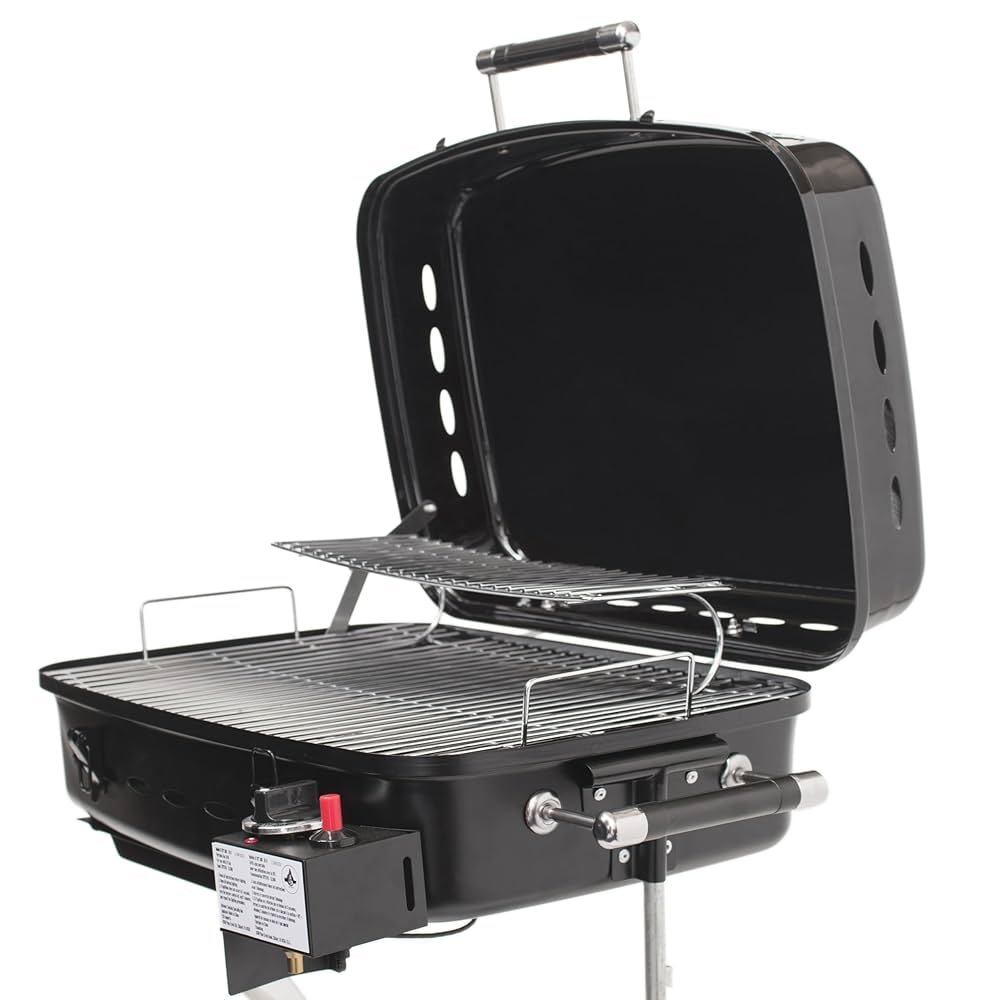
Choosing the right grill for your RV can feel overwhelming. You want something that’s not only easy to use but also safe for your small space.
Imagine enjoying a delicious meal cooked just the way you like it, without worrying about sparks, fumes, or accidents. You’ll discover which grills are the safest for RV use, so you can focus on relaxing and making the most of your adventure.
Keep reading to find the perfect grill that fits your lifestyle and keeps you worry-free.

Credit: www.independent.co.uk
Key Safety Factors For Rv Grills
Choosing the right grill for your RV is important for safety. You need a grill that fits your space and works well with your RV setup.
Knowing the key safety factors helps you avoid accidents and enjoy cooking on the road.
Fuel Types And Safety
Different grills use different fuel sources. Propane, charcoal, and electric are common types. Each fuel has safety rules to follow.
Propane grills are popular but need proper handling to avoid leaks. Charcoal grills create more smoke and need careful ash disposal. Electric grills are safer inside but need power access.
- Check propane tanks for leaks before use
- Use charcoal grills only outside with good airflow
- Keep electric grills away from water
Size And Portability
RV grills should be compact and easy to move. Small grills fit better in tight RV spaces and carry more safely.
Heavy or large grills increase the risk of tipping or damaging your RV. Choose lightweight grills with secure lids and handles.
- Pick grills that fit your RV’s storage space
- Look for models with locking lids and sturdy legs
- Choose grills that are easy to carry and set up
Ventilation Requirements
Good airflow is critical for safety when grilling. Grills produce smoke and gases that must escape easily.
Use grills only outside or in well-ventilated areas. Never grill inside the RV or in enclosed spaces.
- Set up grills in open spaces away from walls
- Avoid grilling under low roofs or awnings
- Keep vents and windows open if possible
Fire Prevention Features
Look for grills with fire safety features. These help prevent flare-ups and control flames.
Heat shields, spark arrestors, and automatic shut-off valves are useful for RV grills. These features add extra protection.
- Choose grills with built-in flame control
- Use spark screens to stop flying embers
- Have a fire extinguisher nearby when grilling

Credit: www.treelinereview.com
Top Propane Grills For Rvs
Grilling while on the road is a great way to enjoy meals outside your RV. Choosing a safe grill is important for your comfort and security. Propane grills are popular for RV use because they are easy to control and heat up quickly.
This guide covers the top propane grills for RVs. It focuses on compact size, strong build, and easy use. These features help you pick the best grill for your travels.
Compact And Lightweight Options
Small grills are easier to carry and store in RVs. Lightweight models reduce the weight load on your vehicle. They fit well on RV shelves or fold away neatly.
Look for grills with foldable legs or handles. These features save space and make packing easier. Portable grills often have a simple ignition system for quick start-up.
- Choose grills under 20 pounds for easy handling
- Models with foldable parts save storage space
- Compact grills fit on RV counters or tables
Durability And Build Quality
RV grills need to stand up to outdoor use and travel bumps. Look for grills made from stainless steel or heavy-duty aluminum. These materials resist rust and damage.
Check if the grill has strong welds and solid parts. Durable grills last longer and offer safer cooking. They also keep heat better for even cooking.
- Stainless steel grills resist rust and stains
- Heavy-duty materials handle travel wear
- Strong construction ensures safety and heat control
Ease Of Use And Maintenance
Simple grills save time and effort when cooking on the road. Look for models with easy ignition and clear controls. Quick start and shut off features improve safety.
Grills that clean easily are best for RV use. Removable drip trays and non-stick surfaces reduce mess. Easy maintenance keeps your grill ready for the next trip.
- Push-button ignition for fast lighting
- Clear knobs for temperature control
- Removable parts for easy cleaning
Electric Grills Suitable For Rv Travel
Electric grills are a popular choice for RV owners. They offer a clean and easy way to cook outdoors.
These grills use electricity, so they do not require propane or charcoal. This makes them safe and simple.
Power Source Considerations
Electric grills need power from your RV or an external source. Check your RV’s electrical capacity first.
Some grills work on standard 120V outlets. Others require higher voltage or special adapters.
- Use shore power when available for steady electricity
- Consider battery-powered grills for short trips
- Solar panels can help but may not always be reliable
Safety Advantages
Electric grills do not produce open flames or harmful gases. This lowers fire and carbon monoxide risks.
They cool down faster and avoid flare-ups from dripping fat. This helps keep your RV and campsite safe.
- No propane tanks needed, reducing explosion risk
- Minimal smoke means fewer fire hazards
- Easy to turn off quickly in emergencies
Best Models For Limited Space
Compact electric grills fit well on RV patios or small decks. Look for lightweight and foldable designs.
Grills with removable plates or lids help save space during travel. Choose models with simple controls.
- Portable electric grills with carrying handles
- Foldable legs or compact storage options
- Multi-use grills that also work as griddles or smokers
Charcoal Grills And Rv Safety
Using a grill while camping in an RV can be fun and tasty. Charcoal grills give great flavor but need care. Safety is very important when using charcoal grills near an RV.
Charcoal grills use burning coals to cook food. They create smoke and heat, which can be risky in small spaces. Knowing how to use them safely helps prevent accidents and keeps your RV safe.
Risks And Precautions
Charcoal grills can cause fires if not handled properly. Hot ashes and flames near an RV can damage it or cause injury. Smoke can also enter your RV and cause breathing problems.
Keep these safety tips in mind:
- Use the grill outside, away from the RV walls and windows
- Place the grill on a flat, stable surface to prevent tipping
- Keep a fire extinguisher or water nearby
- Never leave the grill unattended while in use
- Let coals cool completely before disposing of them
- Avoid grilling on windy days to stop sparks from flying
Recommended Charcoal Grills
Choose charcoal grills designed for camping and RV use. These grills are usually smaller and safer to use outdoors. Look for grills with stable legs and good ventilation.
- Compact size for easy transport and storage
- Heat-resistant handles and secure lids
- Good ash collection systems to avoid mess
- Sturdy construction to avoid tipping
- Models with adjustable vents for better heat control
These features make grilling safer and more convenient near your RV.
Alternative Fuel Choices
Some people prefer other fuel types for grilling near an RV. Gas and electric grills produce less smoke and are easier to control. They can be safer choices in tight spaces.
- Propane grills light quickly and cool down faster
- Electric grills produce no open flames or smoke
- Pellet grills offer good flavor with less mess
- Always check RV rules about fuel types allowed
Choose the fuel type that fits your safety needs and camping style.
Essential Safety Tips For Using Grills In Rvs
Using a grill while camping in an RV can be fun and tasty. It is important to keep safety in mind. Grills must be used carefully to avoid accidents.
This guide shares key safety tips for grilling with an RV. Follow these tips to protect yourself and others.
Proper Placement And Setup
Place your grill outside and away from the RV. Avoid spots near windows, vents, or flammable materials. Set the grill on a flat, stable surface to prevent tipping.
- Keep the grill at least 10 feet from the RV
- Use the grill on a level, non-flammable ground
- Check the wind direction before lighting the grill
- Do not use grills inside the RV or enclosed spaces
Regular Maintenance Checks
Inspect your grill often to ensure it works safely. Look for cracks, leaks, or rust on gas grills. Clean the grill to avoid grease fires.
| Maintenance Task | Frequency |
| Check gas hose for leaks | Before each use |
| Clean grill grates | After every use |
| Inspect ignition system | Monthly |
| Remove grease buildup | Weekly during heavy use |
Safe Storage Practices
Store your grill properly when not in use. Keep propane tanks outside the RV in a ventilated area. Cover the grill to protect it from rain and dust.
- Disconnect propane tanks before storing
- Store tanks upright and away from heat
- Keep the grill cover on to prevent rust
- Store grill in a dry place when possible
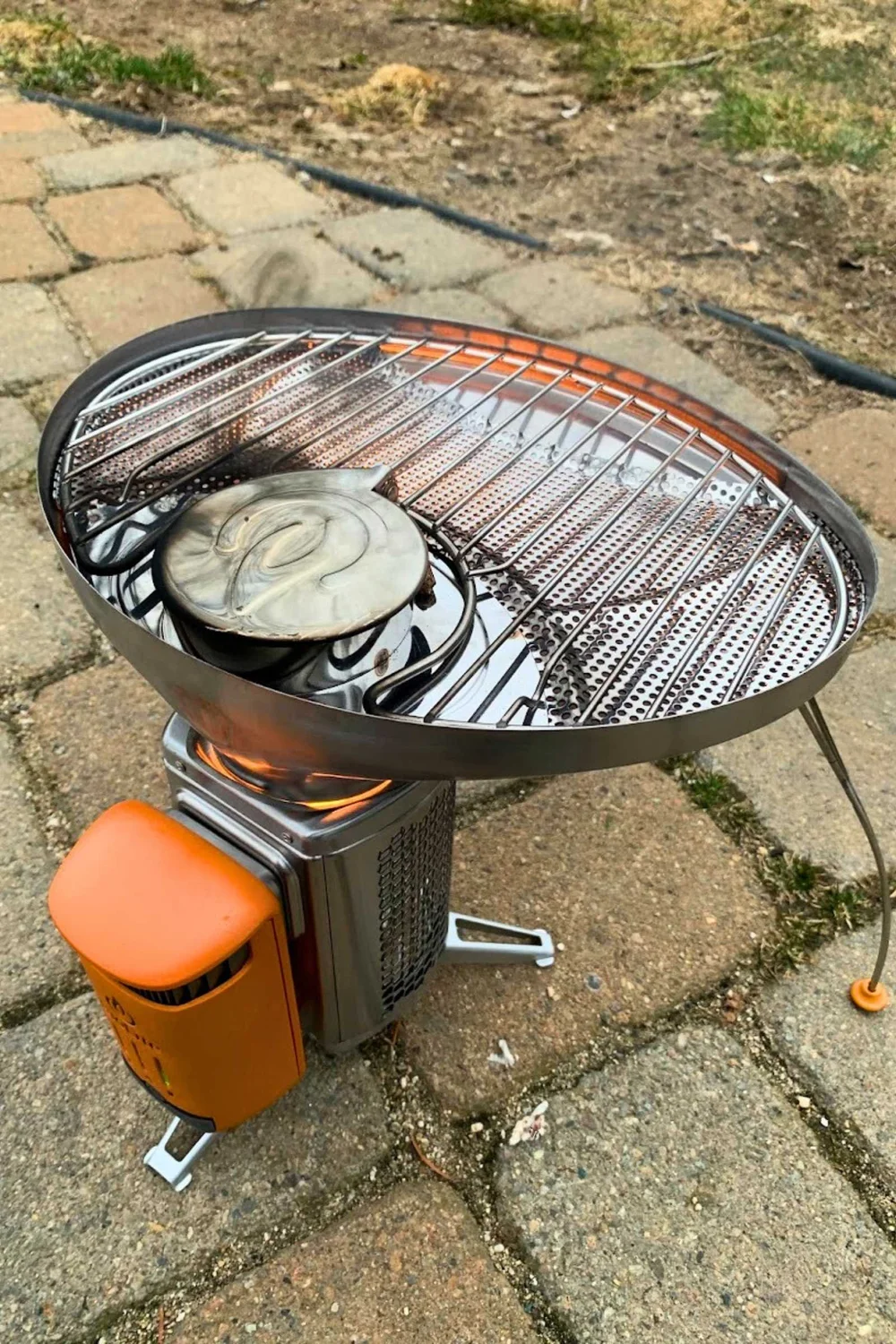
Credit: www.treelinereview.com
Additional Features To Look For
Choosing a safe grill for RV use means checking its extra features. These features help prevent accidents and improve cooking ease.
Look for grills with safety and control options. They make grilling safer and more comfortable during your travels.
Auto Shut-off Systems
An auto shut-off system stops the gas flow if the flame goes out. This feature lowers the risk of gas leaks and fires.
It works by sensing the flame and automatically turning off the grill if needed. This adds a layer of safety for RV use.
Wind Guards And Covers
Wind guards help keep the flame steady by blocking the wind. Covers protect the grill from dust and rain when not in use.
- Wind guards prevent flame flickering and heat loss.
- They improve fuel efficiency by keeping heat focused.
- Covers protect burners and controls from weather damage.
- Both features increase grill lifespan and safety.
Temperature Control Options
Good temperature control helps you cook food evenly and safely. Look for grills with easy-to-read dials or digital displays.
| Control Type | Advantages |
| Manual Knobs | Simple and reliable to use |
| Digital Controls | Precise temperature setting |
| Thermometer Built-In | Monitors grill heat without guesswork |
Frequently Asked Questions
What Type Of Grill Is Safest For Rv Use?
Propane grills are generally the safest for RV use. They are easy to control and don’t produce excessive smoke. Always ensure proper ventilation and use them outside the RV. Their compact design and portability make them ideal for RV travel, ensuring safety and convenience on the road.
Are Electric Grills Safe For Rvs?
Yes, electric grills are safe for RVs. They eliminate the need for open flames, reducing fire risks. Ensure the RV’s electrical system can handle the grill’s power requirements. They are ideal for indoor cooking when outdoor conditions are unfavorable, offering a safe and smoke-free grilling option.
How Can I Ensure Grill Safety In An Rv?
Ensure grill safety by placing it on a stable surface away from flammable materials. Always follow the manufacturer’s guidelines and inspect hoses and connections for leaks. Never leave the grill unattended while in use. Regular maintenance and cleaning will also help ensure safe operation.
Can I Use Charcoal Grills Safely In An Rv?
Charcoal grills pose a higher risk due to open flames and smoke. It’s best to use them only outdoors, away from the RV. Ensure proper ventilation to avoid carbon monoxide buildup. Always have a fire extinguisher nearby and never leave the grill unattended to ensure safety.
Conclusion
Choosing a safe grill for your RV is very important. Propane grills are popular and easy to use. Electric grills work well where open flames are risky. Always check for leaks and keep grills away from flammable materials. Ventilation matters to avoid smoke build-up.
Safety gear like fire extinguishers should be nearby. Regular cleaning helps prevent flare-ups. Remember, a safe grill makes your RV trips more fun and worry-free. Stay cautious and enjoy cooking on the road.