

Choosing the right flooring for your outdoor kitchen with a grill can make all the difference. You want something that looks great, feels comfortable underfoot, and can handle heat, spills, and weather.
But with so many options, how do you find the perfect fit for your space? You’ll discover the best flooring choices that combine style, safety, and durability. By the end, you’ll feel confident about picking the flooring that turns your outdoor kitchen into the ultimate gathering spot.
Keep reading to find out which materials will work best for you and your grill area.
Durability Needs For Outdoor Flooring
Choosing the right flooring for an outdoor kitchen with a grill is important. The floor must handle tough weather and daily use. Durability is key to keep the space safe and looking good.
Outdoor flooring faces many challenges. It must resist sun, rain, heat, and spills. The right material ensures long-lasting performance and easy maintenance.
Weather Resistance
Outdoor floors must resist rain, snow, and sun damage. Weather resistance prevents cracks and fading. Materials like stone, concrete, and porcelain tiles work well in all climates.
- Prevent water absorption to avoid damage
- Resist UV rays to keep colors from fading
- Withstand freeze-thaw cycles in cold areas
Heat Tolerance
Floors near grills get hot. Heat tolerance means the floor won’t crack or warp. Materials like natural stone and heat-treated concrete handle high temperatures well.
| Material | Heat Resistance | Notes |
| Natural Stone | High | Good for direct heat exposure |
| Concrete | Moderate to High | Can be sealed for extra protection |
| Wood | Low | May scorch or warp near heat |
Slip Resistance
Outdoor kitchen floors can get wet and greasy. Slip resistance helps prevent falls. Choose surfaces with texture or special coatings for safety.
- Textured tiles improve grip
- Slip-resistant coatings add safety
- Avoid smooth, glossy materials
- Regular cleaning keeps surfaces safe

Credit: www.thecoolist.com
Popular Flooring Materials
Choosing the right flooring for an outdoor kitchen with a grill is important. The floor must handle heat, moisture, and heavy foot traffic.
This guide covers popular materials that work well in outdoor cooking spaces. Each option has its own benefits and style.
Natural Stone Options
Natural stone is strong and looks great outdoors. It resists heat and can handle spills from cooking.
Common stones include granite, slate, and flagstone. These stones offer a natural, earthy look for your kitchen floor.
Concrete Solutions
Concrete is durable and easy to maintain. You can color or texture it to match your outdoor style.
- Stamped concrete creates patterns like stone or brick.
- Polished concrete offers a smooth, modern look.
- Concrete pavers allow easy repair if damaged.
Tile Choices
Outdoor tiles come in many styles and colors. Look for tiles that resist heat and water.
| Tile Type | Advantages | Considerations |
| Porcelain | Strong, water-resistant | Can be slippery when wet |
| Ceramic | Affordable, many designs | Less durable than porcelain |
| Terracotta | Warm look, natural material | Needs sealing to prevent stains |
Wood And Composite Decking
Wood decking adds warmth and charm. Composite decking lasts longer and needs less care.
Consider these points for decking:
- Choose hardwoods like teak or cedar for natural resistance.
- Composite decking resists rot and insects.
- Both types need proper sealing to avoid water damage.
- Keep decking clean to prevent slips and stains.
Maintenance And Longevity
Choosing the right flooring for your outdoor kitchen with a grill is key. Good flooring lasts longer and needs less care.
Some floors handle heat and spills better. Let’s look at how to keep them clean and strong.
Cleaning Requirements
Outdoor kitchen floors face grease, dirt, and weather. Clean them often to avoid damage.
Use mild soap and water for most floors. Avoid harsh chemicals that can wear out the surface.
- Sweep or hose off dirt regularly
- Wipe spills quickly to prevent stains
- Use gentle cleaners suited for your floor type
Repair And Replacement
Outdoor floors may crack or chip over time. Fix small issues fast to stop bigger damage.
Some materials like stone or tile let you replace single pieces. Others need full section repairs.
- Check floors often for cracks or loose tiles
- Replace damaged parts as soon as possible
- Choose durable materials for easier repair
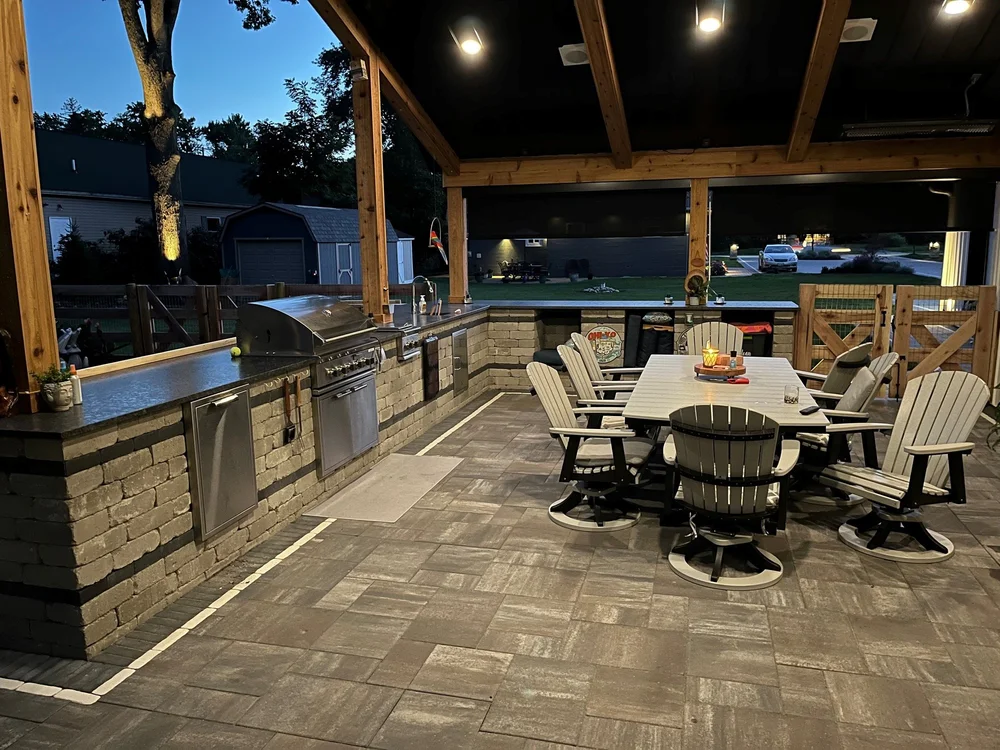
Sealing And Protection
Sealing floors helps stop water, stains, and heat damage. It also makes cleaning easier.
Apply sealant every year or as needed. Pick the right sealant for your floor material.
- Seal stone, concrete, and tile floors regularly
- Use heat-resistant sealants near grills
- Follow product instructions for best results
Credit: www.9treeslc.com
Safety Considerations
Choosing the right flooring for your outdoor kitchen with a grill is very important. Safety should be a top priority to prevent accidents.
Good flooring helps protect against slips, heat damage, and fire risks around the cooking area.
Non-slip Surfaces
Outdoor kitchens can get wet or greasy while cooking. Non-slip flooring reduces the chance of falls and injuries.
Look for materials with textured finishes that provide extra grip underfoot.
- Textured concrete
- Natural stone with rough surface
- Slip-resistant tiles
- Rubber pavers
Heat Reflectivity
Flooring near the grill can get very hot. Materials that reflect heat help keep the area cooler.
Heat-reflective floors protect your feet and reduce heat buildup around the cooking space.
- Light-colored stones or tiles
- Concrete with reflective coatings
- Heat-resistant ceramic tiles
Fire Resistance
Grills pose a fire risk. Flooring should resist sparks, flames, and heat to keep your space safe.
Use materials that will not catch fire or melt if exposed to heat or sparks.
- Stone and brick
- Concrete
- Fire-rated tiles
- Metal or steel plates as accents
Aesthetic Appeal
Choosing the right flooring for an outdoor kitchen with a grill affects its overall look. The floor should match the style and feel of the outdoor space.
Good flooring adds beauty and comfort while standing up to weather and spills. It helps create a pleasant cooking and dining area outside.
Color And Texture Options
Outdoor kitchen floors come in many colors and textures. These choices help set the mood and blend with the surrounding area.
- Natural stone offers earth tones and rough texture
- Concrete can be stained in many colors and finished smooth or rough
- Porcelain tiles provide bright colors and smooth surfaces
- Wood decking adds warmth and natural grain patterns
Design Compatibility
The flooring should fit with the outdoor kitchen’s style and the home’s exterior design. It should also work well with the grill and furniture.
| Flooring Type | Style Match | Maintenance |
| Natural Stone | Rustic, Classic | Medium |
| Concrete | Modern, Industrial | Low |
| Porcelain Tile | Contemporary, Elegant | Low |
| Wood Decking | Traditional, Cozy | High |
Custom Patterns
Custom patterns in flooring add a unique look to the outdoor kitchen. Patterns can highlight certain areas or create a flow in the space.
Popular custom pattern ideas include:
- Herringbone or chevron with wood or tile
- Geometric shapes using different stone colors
- Border designs around the cooking or dining areas
- Mosaic tile art for a personalized touch
Budget And Installation
Choosing the right flooring for an outdoor kitchen with a grill depends on budget and ease of installation. These factors help decide which material works best for your space.
Consider costs upfront and how much work you can do yourself versus hiring a pro. Also, think about long-term benefits to get the most value.
Cost Comparison
Outdoor kitchen flooring costs vary widely. Some materials cost less but need more upkeep. Others have higher prices but last longer.
| Material | Cost per Square Foot | Durability |
| Concrete | $3 – $10 | High |
| Natural Stone | $10 – $30 | Very High |
| Porcelain Tile | $5 – $15 | High |
| Composite Decking | $7 – $15 | Medium |
| Brick | $6 – $12 | High |
Diy Vs Professional Installation
Installing outdoor kitchen flooring can be a DIY project or done by a professional. Your choice affects cost and time needed.
- DIY saves money but needs skills and tools.
- Professional installation costs more but ensures quality.
- Some materials like concrete or stone need pros for best results.
- Easy-to-install options include interlocking tiles and decking.
Long-term Value
Look beyond initial cost. Flooring that lasts longer and needs less repair saves money over time.
| Material | Maintenance | Expected Lifespan |
| Concrete | Low, occasional sealing | 25-50 years |
| Natural Stone | Medium, cleaning and sealing | 50+ years |
| Porcelain Tile | Low, easy cleaning | 30+ years |
| Composite Decking | Low, cleaning and occasional repairs | 20-30 years |
| Brick | Medium, weed control and sealing | 40+ years |
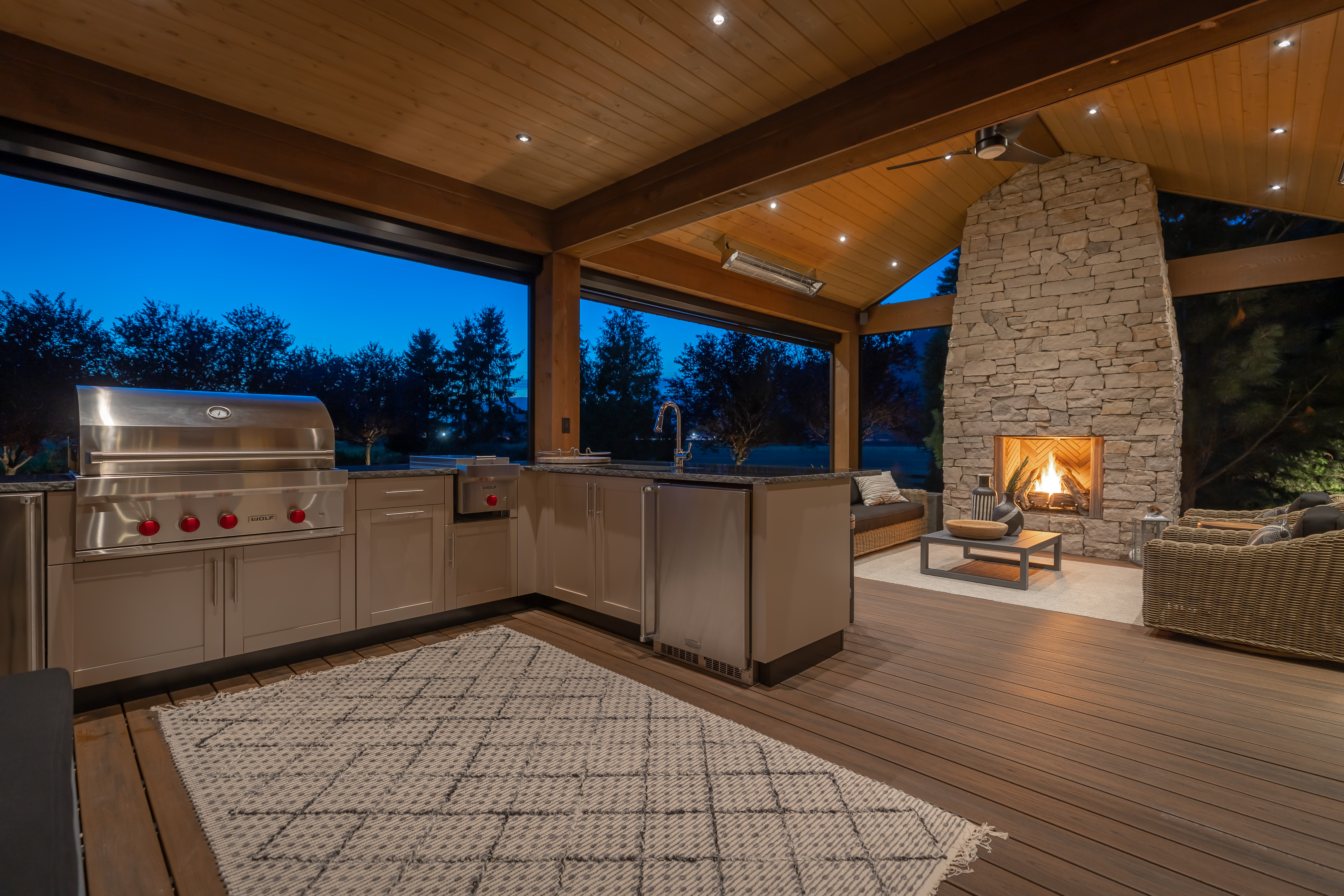
Top Flooring Picks For Outdoor Kitchens
Choosing the right flooring for your outdoor kitchen is important. It must handle weather, heat, and spills well.
We look at the best options for durability, cost, heat resistance, and ease of cleaning.
Best Overall Choice
Porcelain tile is a strong and stylish choice. It resists water and stains easily.
This tile works well in different weather and stays cool underfoot. It is also easy to clean.
Best Budget Option
Concrete is a cost-friendly option. It is very durable and can be customized with colors or patterns.
- Affordable material and installation
- Easy to maintain with sealant
- Strong enough for heavy grills and traffic
Best For High Heat Areas
| Flooring Type | Heat Resistance | Maintenance |
| Stone Pavers | High | Moderate |
| Brick | High | Low |
| Concrete | Moderate | Low |
Stone pavers and bricks handle heat from grills well. They do not crack or discolor easily.
Best For Low Maintenance
Vinyl flooring is easy to clean and resists stains. It does not need sealing or special care.
- Quick to sweep and mop
- Waterproof and fade resistant
- Comfortable surface to stand on
Credit: vandenberglandscapes.com
Frequently Asked Questions
What Is The Best Flooring For Outdoor Kitchens With Grills?
The best flooring for outdoor kitchens with grills is durable, heat-resistant, and slip-resistant. Popular options include natural stone, porcelain tile, and concrete. These materials withstand weather, heat, and spills, ensuring safety and longevity in your outdoor cooking space.
How To Choose Flooring For Outdoor Kitchens With Grills?
Choose flooring based on durability, heat resistance, and maintenance needs. Consider weather conditions and slip resistance. Materials like stone, porcelain, and concrete offer a perfect balance of aesthetics and functionality for outdoor kitchens with grills.
Can Outdoor Kitchen Flooring Handle Grill Heat?
Yes, outdoor kitchen flooring like stone, concrete, and porcelain tiles can handle grill heat. These materials resist heat damage and do not warp or discolor, making them ideal for areas near grills.
Is Slip Resistance Important For Outdoor Kitchen Floors?
Slip resistance is crucial for outdoor kitchen floors to prevent accidents. Choose textured surfaces like natural stone or slip-resistant porcelain tiles. This ensures safety, especially when cooking or cleaning near the grill.
Conclusion
Choosing the right flooring makes your outdoor kitchen safer and more stylish. Durable materials like stone or concrete handle heat and spills well. Easy-to-clean surfaces save time and keep the area neat. Textured floors prevent slips, especially near the grill.
Think about comfort, too—some floors stay cool underfoot. A good floor brings your outdoor cooking space to life. Enjoy cooking and dining outside with confidence and ease.