

Are you planning to install a built-in grill but unsure about the space you need around it? Knowing the right clearance is crucial—not just for safety, but also to make sure your grill works perfectly and lasts longer.
If you get it wrong, you could face serious risks like fire hazards or damage to your home. You’ll discover exactly how much space you need to leave around your built-in grill. Keep reading to protect your investment and enjoy worry-free cooking every time.
Grill Clearance Basics
Building a grill into your outdoor kitchen needs careful planning. Proper clearance keeps your home safe from fire hazards.
This guide covers the basic clearance rules for built-in grills. Follow these rules to protect your property and loved ones.
Minimum Distance From Combustibles
Your grill must have enough space from materials that can catch fire. This includes wood, vinyl, and other flammable items.
Clearance distances vary depending on grill size and type. Always keep a safe gap to stop heat or flames from reaching combustibles.
- Keep at least 12 inches from non-combustible surfaces
- Maintain 24 inches from wood or vinyl siding
- Provide 36 inches or more from overhead structures
Local Building Codes
Local building codes set rules for grill placement and clearance. These rules protect your neighborhood and comply with fire safety laws.
Check your city or county codes before installing a built-in grill. Codes may require permits or inspections.
- Contact your local building department for rules
- Follow all fire and safety regulations
- Keep documentation of permits and approvals
Manufacturer Guidelines
Grill makers give specific clearance instructions. These guidelines ensure safe use and prevent damage to your grill and home.
Always read and follow the manual for your built-in grill. It shows exact distances and installation tips.
- Check clearance around sides and back
- Follow venting and airflow recommendations
- Use only approved materials near the grill
Clearance For Different Grill Types
Knowing the right clearance for built-in grills is important for safety. Different grills need different spaces around them. This helps avoid fire hazards and keeps your grill working well.
This guide covers clearance rules for built-in gas grills, charcoal grills, and electric grills. Follow these rules to install your grill safely.
Built-in Gas Grills
Gas grills require careful clearance because of open flames and heat. You must keep flammable materials far away from the grill.
| Area | Minimum Clearance |
|---|---|
| From Combustible Walls | 24 inches (61 cm) |
| From Overhead Structures | 36 inches (91 cm) |
| From Side Walls | 12 inches (30 cm) |
| From Cabinets or Countertops | 12 inches (30 cm) |
Charcoal Grills
Charcoal grills get very hot and produce ash. Keep enough space to avoid heat damage and allow air flow.
- Keep at least 30 inches (76 cm) from any combustible surface.
- Place grill away from dry leaves or wood piles.
- Allow space above for smoke to rise freely.
- Use heat-resistant materials nearby if possible.
Electric Grills
Electric grills do not use open flames. They need less clearance but still require space for safety and ventilation.
- Keep at least 12 inches (30 cm) from walls or objects.
- Ensure good air flow around the grill.
- Avoid placing near water sources.
- Check the manufacturer’s instructions for specific clearance.
Materials Around The Grill
When installing a built-in grill, it is important to consider the materials near it. The right materials help keep the area safe from heat and fire.
Choosing proper materials reduces risks and protects your home and family. This guide covers what clearances and materials work best.
Heat-resistant Surfaces
Surfaces near the grill must resist high heat. Materials like stone, brick, and concrete work well. They do not catch fire or melt easily.
Using heat-resistant surfaces lowers the chance of damage or fire. These materials also last longer around grills.
- Stone countertops
- Brick walls
- Concrete slabs
- Tile surfaces
Flammable Materials To Avoid
Avoid placing flammable materials too close to the grill. Wood, paper, and fabrics can catch fire easily. Keep these materials at a safe distance.
Also, plastic and vinyl items can melt or release toxic fumes when heated. Remove them from the grill area to stay safe.
- Wood paneling or trim
- Paper towels or napkins
- Outdoor cushions and fabrics
- Plastic containers
Using Non-combustible Barriers
Non-combustible barriers help protect flammable materials near the grill. These barriers block heat and flames from reaching unsafe areas.
Common barriers include metal screens, fire-resistant boards, or stone walls. Install them between the grill and any flammable surfaces.
- Metal mesh or screens
- Fire-rated gypsum boards
- Stone or brick walls
- Concrete or cement panels

Credit: www.recteq.com
Ventilation And Airflow
Clearance around a built-in grill is important for safety and performance. Proper ventilation helps keep the grill cool and reduces fire risks.
Good airflow removes heat and smoke. It also keeps the cooking area comfortable and safe for users.
Importance Of Proper Ventilation
Proper ventilation prevents heat from building up around the grill. This lowers the risk of damage to nearby materials and fire hazards.
Ventilation also helps the grill burn fuel efficiently. It allows fresh air to feed the flames and pushes smoke away from the cooking area.
Designing For Air Circulation
Design the grill space to allow air to flow freely around the unit. Open areas near the grill help heat escape and fresh air enter.
Include vents or gaps in the cabinetry or surrounding structure. These openings improve airflow and keep the grill cooler during use.
- Place vents near the bottom and top of the grill enclosure
- Use materials that do not block air movement
- Keep space between the grill and walls or cabinets
Avoiding Enclosed Spaces
Do not build the grill into a tight, fully enclosed area. Enclosed spaces trap heat and smoke, creating unsafe conditions.
Always leave enough clearance around the grill for air to move freely. This helps prevent overheating and allows smoke to escape.
- Follow manufacturer’s recommended clearance distances
- Keep the grill area open on at least two sides
- Do not block vents or airflow openings
Safety Features And Accessories
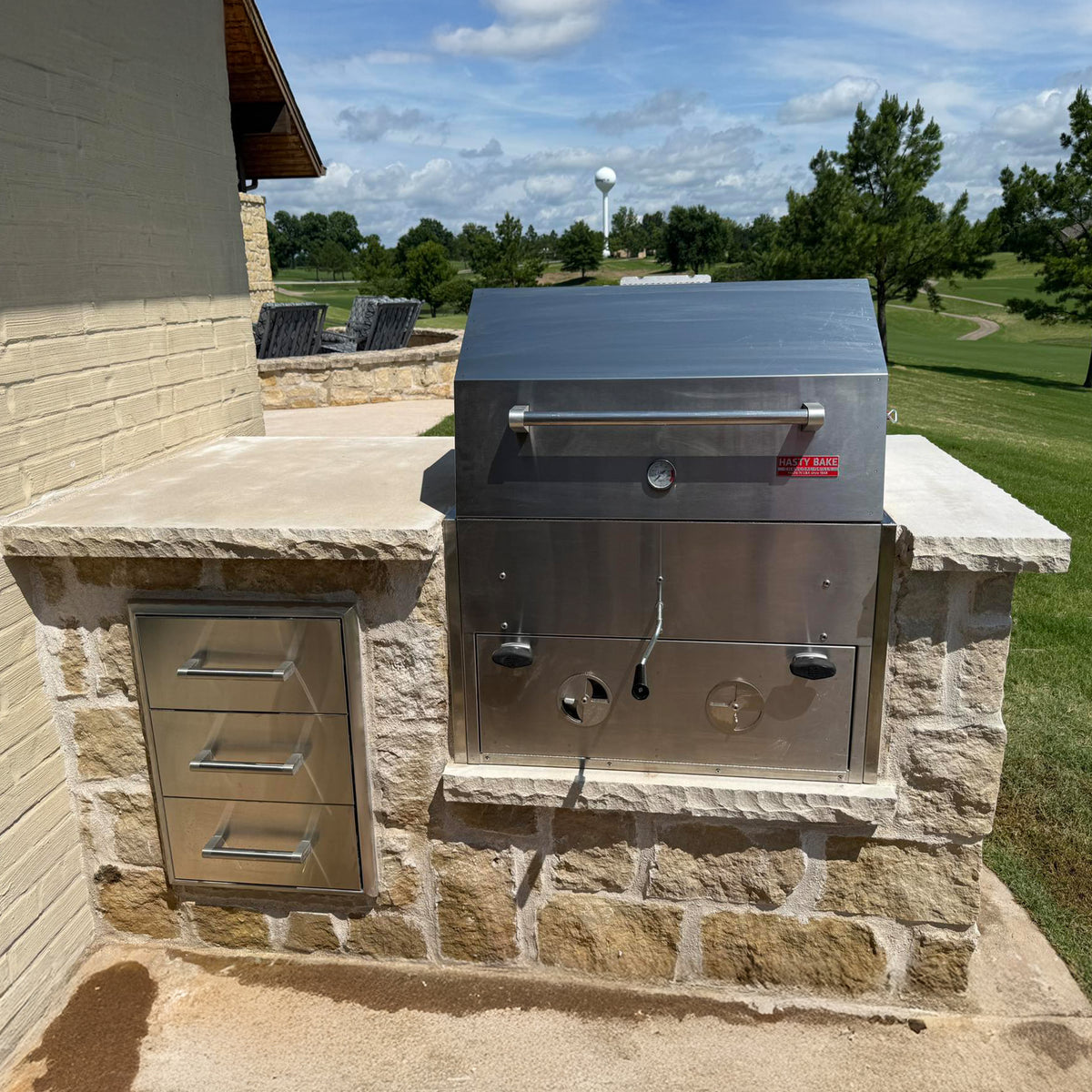
Built-in grills need proper clearance to keep your home safe. Safety features and accessories help prevent accidents.
Choosing the right safety gear ensures you enjoy cooking without worry. This guide covers key safety items for built-in grills.
Heat Shields And Guards
Heat shields protect nearby surfaces from heat damage. Guards keep people from touching hot parts of the grill.
- Place heat shields between the grill and combustible materials.
- Use metal guards around hot burners and flame areas.
- Ensure shields and guards fit the grill model correctly.
- Check for damage or wear regularly and replace if needed.
Fire Extinguishers Nearby
A fire extinguisher must be close to your built-in grill. It helps control small fires quickly before they spread.
| Type | Use | Placement |
| Class B | Flammable liquids like grease | Near the grill but away from heat |
| Class C | Electrical fires | Accessible area near power supply |
| Multipurpose (ABC) | Wood, paper, grease, electrical | Easy to reach from cooking area |
Regular Maintenance Checks
Keep your grill safe by checking it often. Look for leaks, cracks, and blockages in gas lines.
- Inspect gas connections for leaks using soapy water.
- Clean burners and remove debris.
- Test ignition and flame control.
- Check heat shields and guards for damage.
- Store the grill covered and dry when not in use.
Credit: www.hastybake.com
Common Clearance Mistakes
Proper clearance is vital for a safe built-in grill setup. Many people make mistakes that risk safety and damage.
Knowing common clearance errors helps you avoid accidents and keep your grill working well.
Ignoring Manufacturer Specs
Each grill brand has specific clearance rules. These rules protect your home and grill from fire hazards.
Ignoring these specs can cause overheating or damage. Always follow the manufacturer’s instructions carefully.
- Check the user manual before installation
- Do not guess clearance distances
- Follow all safety warnings
Placing Grill Too Close To Structures
Grills should be far from walls, fences, or decks. Placing them too close can cause fires or heat damage.
Keep enough space for air flow and heat to escape safely around the grill.
- Leave at least 12 to 24 inches from walls
- Avoid placing near wooden fences or dry plants
- Make space for safe movement and cleaning
Overlooking Roof And Overhang Clearances
Many forget to check the space above the grill. Roofs and overhangs can trap heat and smoke.
Clearance above the grill must be enough to prevent fire risk and allow smoke to rise freely.
- Keep at least 48 inches between grill and overhead structures
- Check local codes for specific clearance rules
- Ensure vents or chimneys are not blocked
Tips For Safe Grill Installation
Installing a built-in grill requires careful planning to ensure safety. Proper clearance and placement protect your home and family.
Follow these tips to choose the right location, get expert advice, and use quality materials for your grill setup.
Choosing The Right Location
Pick a spot with enough space around the grill. Keep it away from walls, windows, and flammable materials.
- Maintain at least 24 inches of clearance from combustible surfaces
- Place the grill on a non-flammable surface like concrete or stone
- Avoid locations under low-hanging branches or roofs
- Ensure good airflow to prevent heat buildup
Consulting Professionals
Get help from licensed contractors or grill specialists. They understand building codes and safety rules.
| Professional Help | Benefits |
| Licensed Contractor | Ensures compliance with local codes |
| Grill Installer | Proper assembly and connection of gas lines |
| Electrician | Safe wiring for built-in lighting or accessories |
Using Quality Materials
Choose durable, heat-resistant materials for your grill area. This reduces fire risk and extends the grill’s life.
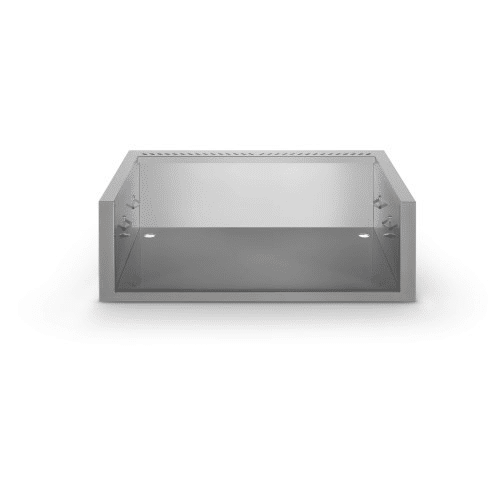
- Use stainless steel or stone for the grill surround
- Select fire-rated insulation and sealants
- Install non-combustible countertops
- Use weatherproof covers to protect the grill
Credit: youneedabbq.com
Frequently Asked Questions
What Is The Ideal Clearance For A Built-in Grill?
The ideal clearance for a built-in grill is generally 24 inches from any combustibles. This ensures safety and proper airflow. Always refer to the manufacturer’s guidelines. Adequate clearance helps prevent fire hazards and promotes optimal grill performance.
How Far Should A Built-in Grill Be From Walls?
A built-in grill should be at least 12 inches away from walls. This distance helps in preventing fire risks and ensures proper ventilation. Always check the grill’s manual for specific clearance requirements, as different models may vary.
Can A Built-in Grill Be Installed Under A Roof?
Yes, but ensure there’s proper ventilation and a hood above the grill. The hood should be at least 36 inches above the grill. This setup helps in directing smoke and heat away, preventing damage and ensuring safety.
Do Built-in Grills Require Side Clearance?
Yes, built-in grills typically need at least 6 inches of side clearance. This spacing allows for safe cooking and prevents overheating of adjacent surfaces. Always consult the manufacturer’s instructions for precise clearance recommendations.
Conclusion
Choosing the right clearance for your built-in grill keeps you safe. It helps prevent fires and damage to your home. Always check the grill’s manual for exact clearance rules. Give enough space between the grill and walls or cabinets. This space lets heat and smoke escape easily.
Proper clearance also improves your grill’s performance. Take time to measure and plan carefully. A safe setup means you enjoy cooking outdoors with peace of mind. Small steps make a big difference in safety and fun.