

When you’re grilling your favorite meals, the last thing you want is to worry about burns or discomfort. That’s where grill gloves come in.
But have you ever stopped to wonder what these gloves are actually made of? Knowing the materials behind your grill gloves can help you choose the right pair to keep your hands safe and comfortable. You’ll discover exactly what makes grill gloves heat-resistant and durable, so you can grill with confidence every time.
Keep reading to find out what’s inside your gloves and why it matters for your safety.

Credit: soilssolutions.com
Types Of Materials Used
Grill gloves are usually made from heat-resistant materials like silicone, leather, or aramid fibers. These materials protect hands from burns while handling hot grills and tools. Their durability and heat resistance make them essential for safe grilling.
Natural Fibers
Grill gloves made from natural fiberslike cotton and leather offer good heat resistance. Cotton is soft and breathable but may not protect against very high heat. Leather is strong, durable, and provides better protection. Both materials are comfortable to wear but may need extra lining to improve heat safety.
Synthetic Fibers
Synthetic fibers such as Kevlarand Nomexare popular in grill gloves. These materials resist heat and flames well. They are also lightweight and flexible. Gloves with synthetic fibers often have a longer lifespan and better protection against burns.
Hybrid Combinations
Many grill gloves use a combination of natural and synthetic fibers. This mix improves comfort and safety. For example, leather with Kevlar stitching offers strong heat resistance and durability. Hybrid gloves balance flexibility, heat protection, and comfort for better grilling experience.

Credit: ddsafety.en.made-in-china.com
Heat Resistance Properties
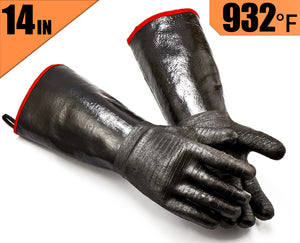
Grill gloves must handle very high temperatures safely. Most gloves tolerate heat up to 932°F (500°C). Some heavy-duty gloves resist even more, up to 1472°F (800°C). This helps protect hands from burns while grilling or cooking.
Thermal insulation is key in grill glove design. Multiple layers slow heat transfer. Common layers include:
- Outer shell:Usually made of heat-resistant materials like aramid fibers or silicone.
- Inner lining:Soft fabric for comfort and extra insulation.
- Padding:Adds thickness to block heat better.
Some gloves also use special coatings to improve grip and heat resistance. These techniques keep hands safe and comfortable during grilling tasks.
Material Benefits And Drawbacks
Grill gloves are often made from materials like leather, silicone,and aramid fibers. Each material has its own strengths and weaknesses.
| Material | Durability and Longevity | Comfort and Flexibility | Maintenance and Cleaning |
|---|---|---|---|
| Leather | Very durable; lasts long with care. | Soft but less flexible when new. | Needs gentle cleaning; avoid water. |
| Silicone | Resists heat and water; can wear out. | Flexible and easy to move in. | Easy to clean; just wash with soap. |
| Aramid Fibers | Highly heat resistant; very strong. | Lightweight but may feel stiff. | Usually machine washable; check label. |
Choosing the right material depends on how you use your gloves. Comfort matters for long cooking times. Easy cleaning helps keep gloves fresh and safe.
Common Material Brands
Kevlaris a tough synthetic fiber. It resists heat and cuts well. Grill gloves with Kevlar protect hands from burns and sharp edges. They stay flexible and last long.
Nomexis a flame-resistant fabric. It keeps heat away and is lightweight. Gloves made with Nomex feel comfortable. They are good for high-heat grilling tasks.
Siliconeoffers strong heat protection and grip. It does not burn or melt easily. Silicone gloves are easy to clean and water-resistant. Many grillers like them for handling hot tools and food.
Choosing The Right Grill Gloves
Choosing the right grill gloves means picking gloves that fit your cooking style well. For quick grilling, gloves made from siliconeare great. They resist heat and water easily. For heavy-duty cooking, leather glovesoffer better protection and last longer.
Gloves should be comfortableand allow good grip on tools. Some have extra insulationfor very hot grills. Others are thin for better feel and control. Match gloves to how hot your grill gets and how long you cook.
| Safety Standard | What It Means |
|---|---|
| EN407 | Tests gloves for heat and fire resistance |
| ANSI/ISEA 105 | Measures cut and heat protection levels |
| OSHA Guidelines | Recommends safety gear for workplace grilling |
Look for gloves with proper certificationsto ensure safety. Certified gloves can protect hands from burns and cuts. This is important for safe grilling every time.
Credit: www.rapicca.com
Innovations In Heat-resistant Fabrics
Heat-resistant fabrics in grill gloves use new ideas to keep hands safe. These fabrics block very high temperatures. This helps cooks handle hot grills without burns. Nanotechnology makes these gloves stronger and lighter. Tiny particles inside the fabric stop heat better than normal fibers.
Nanotechnology Applications
Nanoparticles create small barriers to heat flow. This stops heat from reaching the skin fast. Gloves with nanotech last longer and stay flexible. They dry quickly and resist stains too. This technology makes grilling safer and easier.
Eco-friendly Materials
- Some gloves use natural fibers like cotton mixed with heat-resistant materials.
- Recycled fabrics reduce waste and help the environment.
- Biodegradable coatings protect hands and break down safely over time.
Eco-friendly gloves are good for nature and safe for users. They combine strength with green choices. This helps reduce pollution from grilling gear.
Frequently Asked Questions
What Materials Are Grill Gloves Commonly Made Of?
Grill gloves are usually made from heat-resistant materials like silicone, aramid fiber, and leather. These materials protect hands from high temperatures during grilling. Some gloves also use cotton or neoprene for comfort and flexibility while ensuring safety from burns.
Are Grill Gloves Heat Resistant And Safe To Use?
Yes, grill gloves are designed to be heat resistant and safe. They typically withstand temperatures up to 932°F (500°C), protecting hands from burns. The heat-resistant materials and added insulation ensure safe handling of hot grills and food.
Can Leather Grill Gloves Provide Sufficient Heat Protection?
Leather grill gloves offer good heat protection, especially when reinforced with extra layers. They are durable and provide excellent grip. However, they may not be as heat resistant as gloves made from aramid or silicone materials.
Why Do Some Grill Gloves Use Aramid Fiber?
Aramid fiber is used in grill gloves for its superior heat resistance and durability. It can withstand extreme temperatures without melting or burning. This makes gloves safer and longer-lasting for grilling and barbecue activities.
Conclusion
Grill gloves come in various materials, each offering unique benefits. Silicone gloves provide excellent heat resistance. Leather gloves are durable and offer a good grip. Kevlar gloves are perfect for high-temperature grilling. Cotton gloves, often with silicone coating, ensure comfort and flexibility.
Choosing the right material depends on your grilling needs. Consider factors like heat resistance and comfort. The right pair of gloves can enhance your grilling experience. Protect your hands and enjoy grilling safely. Explore different materials to find the best fit for you.
Happy grilling!