
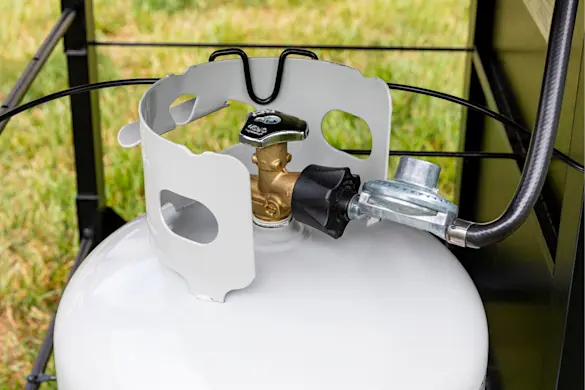
Is your gas grill not heating up the way it used to? The problem might be your gas grill regulator.
When this small but crucial part malfunctions, it can stop your grill from working properly, leaving you frustrated right before your cookout. But don’t worry—fixing it is easier than you think. You’ll learn how to quickly spot and solve common regulator issues so you can get back to grilling with confidence.
Keep reading to make sure your next BBQ is a sizzling success!
Credit: www.searspartsdirect.com
Common Regulator Issues
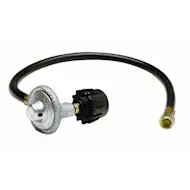
Gas grill regulators control the gas flow to the grill. They keep the pressure steady for safe cooking.
Regulators can develop problems that affect grill performance. Knowing common issues helps you fix them fast.
Leaks And Cracks
Leaks or cracks in the regulator cause gas to escape. This can be dangerous and reduce grill power.
Check the regulator and hose for visible damage. Look for cracks, holes, or loose connections.
- Use soapy water on connections to spot leaks
- Replace damaged hoses or regulators immediately
- Never use the grill if you smell gas
Pressure Fluctuations
Pressure changes cause uneven flames or grill shutdowns. This makes cooking difficult and unsafe.
Pressure drops may happen if the regulator is faulty or the gas tank is low. Check both regularly.
- Replace old or worn regulators
- Make sure the gas tank is full
- Check for proper regulator installation
Blockages And Clogs
Blockages inside the regulator stop gas flow. This causes weak or no flames on your grill.
Dirt, insects, or debris can clog the regulator. Clean the regulator parts carefully to fix the issue.
- Turn off gas before cleaning
- Use compressed air to clear blockages
- Inspect and clean regulator vents regularly
Credit: www.weekand.com
Safety Precautions
Working with a gas grill regulator requires care. Safety is very important to avoid accidents.
Follow these safety tips before you start troubleshooting your gas grill regulator.
Handling Gas Safely
Always turn off the gas supply before working on your grill. This stops gas leaks and fires.
Check for gas smells or hissing sounds. These signs mean a leak may be present. Do not use the grill if you detect gas.
- Turn off gas at the tank valve
- Work in a well-ventilated area
- Keep flames and sparks away
- Do not smoke near the grill
- Wear gloves and safety glasses
Tools You Need
Having the right tools makes troubleshooting easier and safer. Use tools made for gas grill repair.
- Adjustable wrench for fittings
- Soap and water spray to check leaks
- Screwdrivers for removing parts
- Flashlight to see small areas
- Gloves to protect your hands
When To Call A Professional
Some problems need expert help. Call a professional if you are unsure or the issue is complex.
Do not try to fix gas leaks or regulator damage if you lack experience. This can be dangerous.
- If you smell gas and cannot find the leak
- If the regulator is cracked or broken
- If the grill does not light after your repair
- If you feel unsafe handling gas equipment
- For routine checks and maintenance
Step-by-step Troubleshooting
Troubleshooting your gas grill regulator helps keep your grill safe and working well.
This guide shows easy steps to check and fix common regulator problems.
Checking For Leaks
Leaks in the gas regulator or hose can cause safety hazards and poor grill performance.
- Turn off the gas supply.
- Mix equal parts water and dish soap in a spray bottle.
- Spray the soapy water on the regulator, hose, and connections.
- Open the gas supply slowly.
- Look for bubbles forming. Bubbles mean there is a leak.
- Tighten connections or replace damaged parts if you see bubbles.
- Turn off the gas and clean the area after testing.
Testing Regulator Pressure
Low or high pressure from the regulator can affect how the grill heats.
| Test Method | What to Do | Expected Result |
| Pressure Gauge | Connect a gauge to the regulator outlet. | Pressure reads around 10 inches water column (approx. 0.36 psi). |
| Flame Check | Light the grill burners after gas is on. | Flames are steady and blue without yellow tips. |
| Gas Flow | Turn burners from low to high. | Flames increase smoothly without sputtering. |
Cleaning The Regulator
Dirt and debris can block the regulator and cause pressure problems.
Follow these cleaning steps:
- Turn off the gas and disconnect the regulator from the tank and grill.
- Use a soft brush to remove dirt from the regulator’s outside.
- Do not use water or liquids inside the regulator.
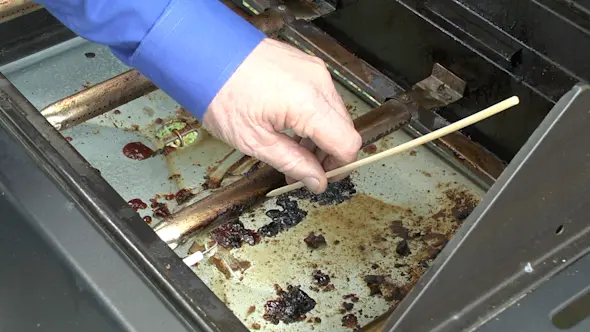
- Check the vent hole on the regulator for blockage and clear gently with a toothpick.
- Let the regulator dry completely before reconnecting.
Credit: www.searspartsdirect.com
Replacing The Regulator
The regulator controls the gas flow to your grill. If it breaks, replace it to keep grilling safely. This guide helps you pick and install a new regulator.
Follow the steps carefully to avoid gas leaks and ensure your grill works well again.
Choosing The Right Replacement
Find a regulator that fits your grill brand and model. Check the pressure rating and connection type before buying.
- Match the pressure rating to your grill’s needs
- Use the correct gas type: propane or natural gas
- Choose the right connection size and style
- Buy from trusted brands or suppliers
Installation Tips
Turn off the gas supply before you start. Remove the old regulator carefully to avoid damage.
- Check that all connections are clean and free of dirt
- Attach the new regulator tightly but do not over-tighten
- Use a wrench for secure fitting if needed
- Replace any old or cracked hoses at the same time
Post-installation Checks
After installing, test the system for leaks. This keeps you safe and ensures proper grill function.
- Turn on the gas supply slowly
- Apply soapy water to all connections
- Look for bubbles which mean a leak
- Tighten fittings or replace parts if leaks appear
- Light the grill to confirm it works properly
Maintaining Your Gas Grill Regulator
Your gas grill regulator controls the gas flow from the tank to the grill. Keeping it in good shape helps your grill work safely and well. Regular care stops problems before they start.
This guide shows how to maintain your gas grill regulator. Follow these tips to keep it working longer and avoid gas leaks or flame issues.
Routine Inspections
Check your gas grill regulator often to catch any damage early. Look for cracks, rust, or wear on the hose and connections. Make sure the regulator fits tightly and there are no gas smells.
Test the regulator by turning on the gas and listening for hissing sounds. Use a soapy water mix to find leaks—bubbles will form at the leak spots.
- Inspect hose for cracks or stiffness
- Check regulator for dents or damage
- Look for gas leaks using soapy water
- Tighten all connections securely
Storage Best Practices
Store your gas grill regulator in a dry and cool place when not in use. Avoid direct sunlight or freezing temperatures as they can damage the regulator parts.
Disconnect the regulator from the gas tank before storing. Keep the hose coiled loosely and away from sharp objects that can cause cuts or cracks.
- Keep regulator away from moisture and heat
- Disconnect regulator from tank after grilling
- Store hose without tight bends or kinks
- Use a protective cover to block dust
Extending Regulator Life
Extend your gas grill regulator’s life by using it carefully and cleaning it regularly. Avoid dropping it or exposing it to harsh chemicals that can wear it down.
Replace old or damaged parts right away. Lubricate moving parts if your regulator has any. Always follow the manufacturer’s instructions for maintenance.
- Handle regulator gently to avoid damage
- Clean regulator and hose with mild soap
- Replace worn or cracked parts quickly
- Follow all safety and care guidelines
Frequently Asked Questions
What Causes A Gas Grill Regulator To Fail?
A gas grill regulator can fail due to dirt buildup, wear and tear, or extreme weather. Faulty regulators may cause low flame or no gas flow, affecting grill performance and safety.
How Do I Reset A Gas Grill Regulator?
To reset a gas grill regulator, turn off the gas supply, disconnect the regulator, wait 5 minutes, then reconnect and slowly open the gas valve. This resets pressure and often resolves flow issues.
Why Is My Gas Grill Flame Uneven Or Weak?
Uneven or weak flames often result from a clogged regulator or gas line. Clean the regulator and check for leaks or blockages to restore proper flame intensity.
Can I Replace A Gas Grill Regulator Myself?
Yes, you can replace a gas grill regulator safely. Ensure the gas supply is off, remove the old regulator, and install the new one following the manufacturer’s instructions.
Conclusion
Troubleshooting your gas grill regulator keeps your grill working well. Regular checks help catch problems early. Clean and replace parts when needed to avoid safety risks. Know the signs of a faulty regulator to act fast. Proper care saves money and ensures tasty meals every time.
Keep your grill ready for family and friends. Simple steps can prevent big issues later. Stay safe and enjoy grilling without worry.