
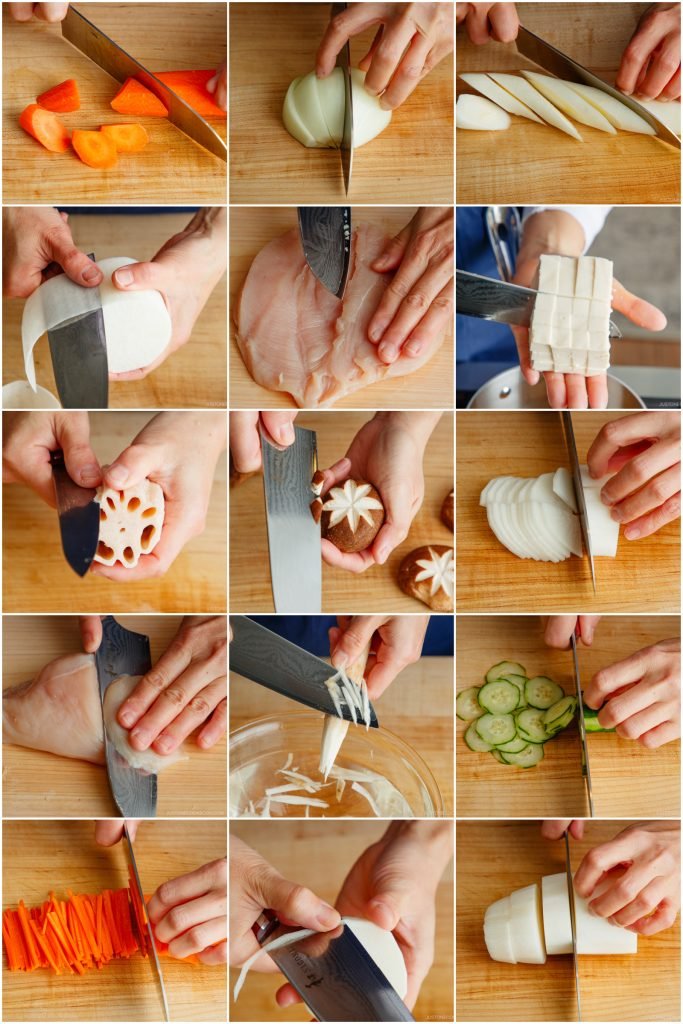
Have you ever struggled to cut even slices by hand and ended up with uneven pieces? It’s frustrating when your food doesn’t look as good as it tastes.
But don’t worry—getting perfect, even slices manually is easier than you think. With a few simple tips and tricks, you can impress your family and friends with beautifully sliced bread, cakes, or meats every time. Keep reading, and you’ll discover how to slice like a pro without any fancy gadgets.
Your next meal is about to look as amazing as it tastes!

Credit: chefsupplyco.com.au
Choosing The Right Knife
Choosing the right knife is key to getting even slices. Different knives suit different tasks. A serrated knifeworks well for bread and soft fruits. A chef’s knifeis great for most slicing jobs. A paring knifehelps with small or detailed cuts.
Knife sharpness is very important. A dull knife can slip and cause uneven cuts. Keep knives sharp by regular honingand occasional professional sharpening. Clean knives carefully after use to avoid rust and damage. Store knives in a block or on a magnetic strip to protect the blade.
| Type of Knife | Best For | Blade Feature |
|---|---|---|
| Serrated Knife | Bread, Soft Fruits | Toothed Edge |
| Chef’s Knife | General Slicing | Wide, Sharp Blade |
| Paring Knife | Small Cuts | Short, Pointed Blade |
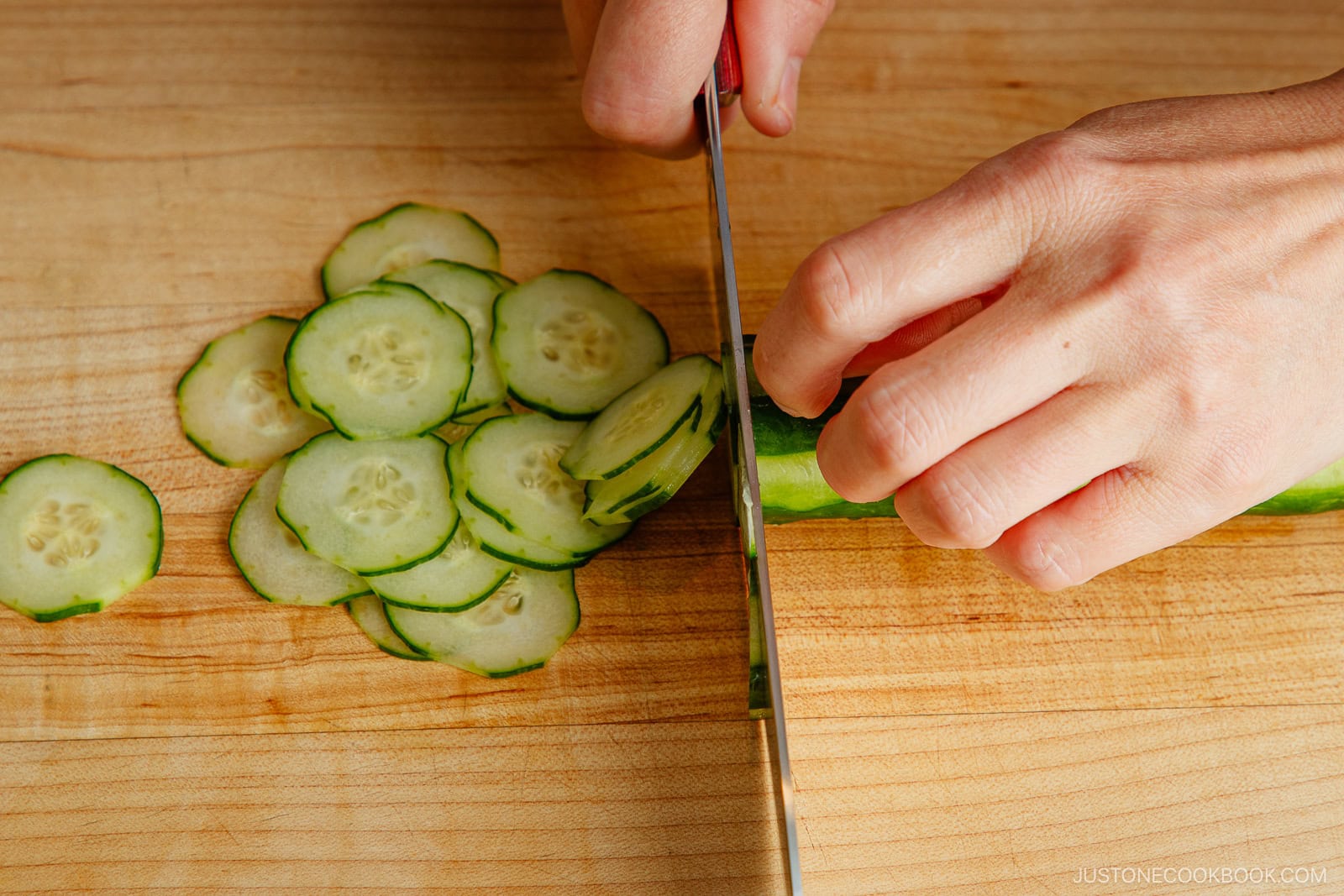
Credit: www.justonecookbook.com
Preparing The Food
Chill hard foods like cheese or chocolate. This makes them easier to slice. Soft foods, like butter, may need softening. Leave them at room temperature. This helps avoid messy cuts. Proper texture gives better grip. It prevents slipping or crushing the food. Choose the right method based on the food type.
Use a knife or toothpick to draw lines. Make sure lines are light and even. This acts as a guide for cutting. It ensures each slice is the same size. Always keep lines straight and clear. This helps in making neat and even slices.
Hand Positioning Techniques
Place your hand firmly on the food to keep it steady. Use your fingers to guide the knife in straight, even motions. Keep your grip relaxed but controlled for better precision.
Stabilizing The Item
Hold the item firmly with your non-cutting hand. Keep fingers curled inward to avoid cuts. Press the item gently against the cutting surface for stability. Use your palm to steady larger items. This helps prevent slipping and ensures even slices. A steady item means safer and cleaner cuts.
Using Finger Guides For Consistency
Use your knuckles as a guide for the knife blade. Keep the knife close to your fingers but not touching. Move your hand back slowly after each cut. This creates slices of equal thickness. Finger guides help control the knife’s path. They make slicing more precise and consistent.
Cutting Methods
Use a sharp knife and steady your hand to create clean, even slices. Cutting slowly and keeping consistent thickness helps achieve uniform pieces every time. Practice makes perfect with simple, careful movements.
Steady Downward Slices
Hold the knife firmly and press down in one smooth motion. Keep the blade straight to avoid uneven cuts. Use your other hand to hold the food steady. Take your time; rushing causes mistakes. This method works well for soft and firm foods.
Sawing Motion Tips
Move the knife back and forth gently instead of pushing hard. This helps cut through tough surfaces easily. Use a sharp knife to reduce slipping. Keep the tip of the knife on the board and move the blade with a light sawing action. This method is great for bread and crusty items.
Using Tools For Precision
Using slicing guideshelps keep slices even and straight. These tools hold the food steady, making cuts easier. They reduce the chance of uneven pieces.
DIY tools can also assist in slicing. Simple items like a ruler or toothpicks can mark equal sections. This way, you know exactly where to cut.
- Use a slicing guide to hold food in place
- Mark slices with toothpicks or a knife before cutting
- Try a ruler to measure equal parts
- Keep knives sharp for clean cuts
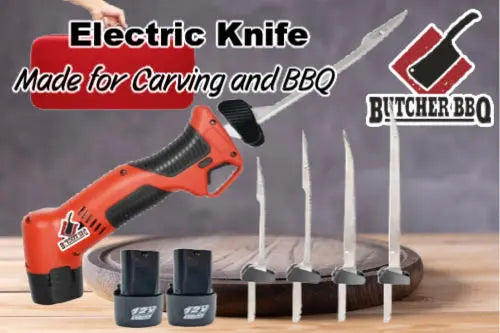
Credit: butcherbbq.com
Practice And Patience
Start slicing with soft foodslike bread or cucumbers. These are easier to cut and help build confidence. Soft foods allow you to focus on controlling your knife movements. This practice develops your hand coordination and control.
As you slice, keep your knife steady and use even pressure. Take your time to make uniform slices. Pay attention to the thickness of each slice. Consistency improves with patience and repeated practice.
Once comfortable with soft foods, try faster cuts without rushing. Focus on keeping your slices even while increasing speed. Practice regularly to improve your speed and accuracytogether.
- Hold the knife firmly but not too tight.
- Use a smooth, steady motion.
- Keep your fingers tucked to avoid cuts.
- Place the food on a stable surface.
- Slice straight down without twisting.
Frequently Asked Questions
How Can I Manually Cut Even Slices Easily?
Use a ruler or guide to mark slice widths before cutting. Slice slowly with a sharp knife. This ensures consistency and precision.
What Tools Help Get Even Slices Manually?
A sharp chef’s knife, ruler, and cutting board are essential. These tools improve accuracy and control for even slices.
Why Is Using A Sharp Knife Important For Slicing?
Sharp knives cut smoothly without tearing or crushing. This leads to cleaner, more even slices and safer cutting.
How Do I Maintain Slice Thickness Consistency?
Mark equal intervals on the food with a knife tip or ruler. Cut along those marks carefully for uniform slices.
Conclusion
Getting even slices by hand takes practice and patience. Use a sharp knife and steady your cutting surface. Measure or mark slices to keep them the same size. Take your time and cut slowly for better control. Small tips add up to big improvements.
Soon, your slices will look neat and uniform. Keep practicing these simple steps every time you cut. Enjoy the process and the perfect slices you create.