
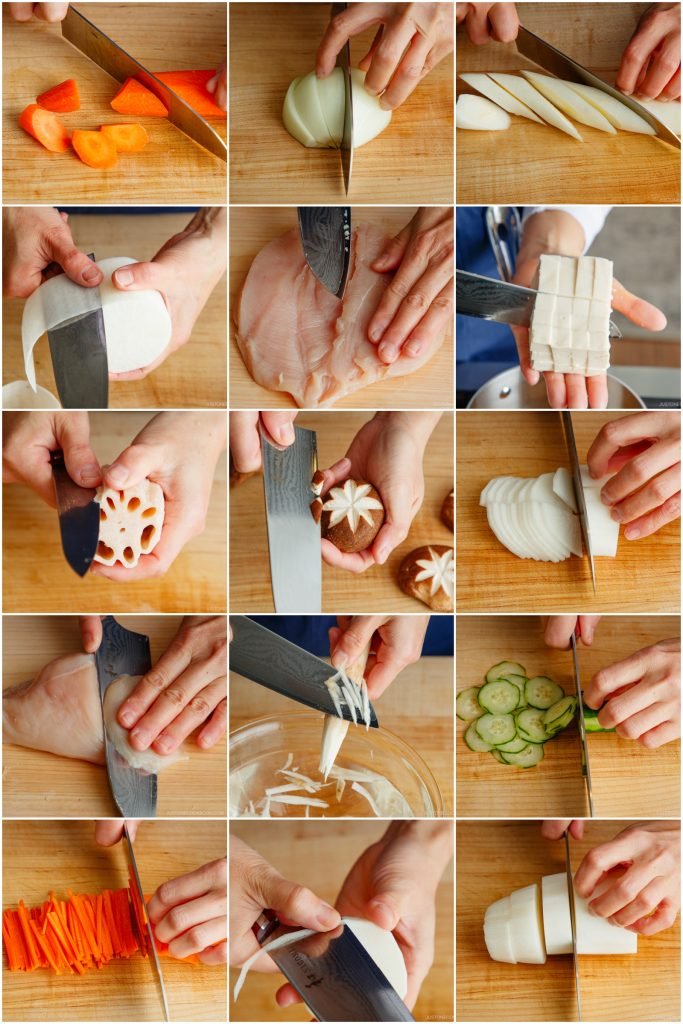
Do you ever find yourself struggling to slice ingredients quickly and neatly by hand? Whether you’re prepping veggies for dinner or cutting fruits for a snack, slow slicing can waste your time and test your patience.
What if you could speed up the process without sacrificing safety or precision? You’ll discover simple, effective tips to slice faster manually. These easy tricks will not only save your time but also make your kitchen work feel smoother and more enjoyable.
Keep reading to unlock the secrets of fast, confident slicing!
Essential Tools For Fast Slicing
Sharp knives and a stable cutting board make slicing faster and safer. Keeping tools clean and dry helps maintain grip and speed. Using a consistent slicing motion saves time and effort.
Choosing The Right Knife
A good knife makes slicing easy. Pick a sharp and sturdy knife. A chef’s knife is ideal for most tasks. It should feel comfortable in your hand. A well-balanced knife helps you slice faster.Using A Sharp Blade
Sharp blades cut quicker and safer. Dull blades need more force and can slip. Use a sharpening stone or a knife sharpener. Keep your blade sharp before each use. This makes slicing a breeze.Selecting Proper Cutting Boards
Choose a cutting board that won’t slip. Wooden or plastic boards are best. They are gentle on knife edges. Avoid glass or marble boards. They dull knives quickly. A stable board helps you slice fast. `Preparing Ingredients For Speed
Chilling ingredients makes them easier to slice. Cold items are firmer and less slippery. This helps keep control and speed up cutting.
Trim off any unwanted parts before slicing. Removing stems, seeds, or skins saves time later. Prepping ingredients in simple shapes also helps.
- Cut large items into smaller, even pieces.
- Group similar sizes together for quick slicing.
- Use portioning to plan slices before cutting.
Organizing ingredients this way reduces time spent handling them. It also keeps your workspace clean and efficient.
Mastering Hand And Knife Position
Grip techniquesaffect slicing speed and safety. Hold the knife handle firmly, but not too tight. Use your thumb and index finger to pinch the blade near the handle. This grip gives more control and precision.
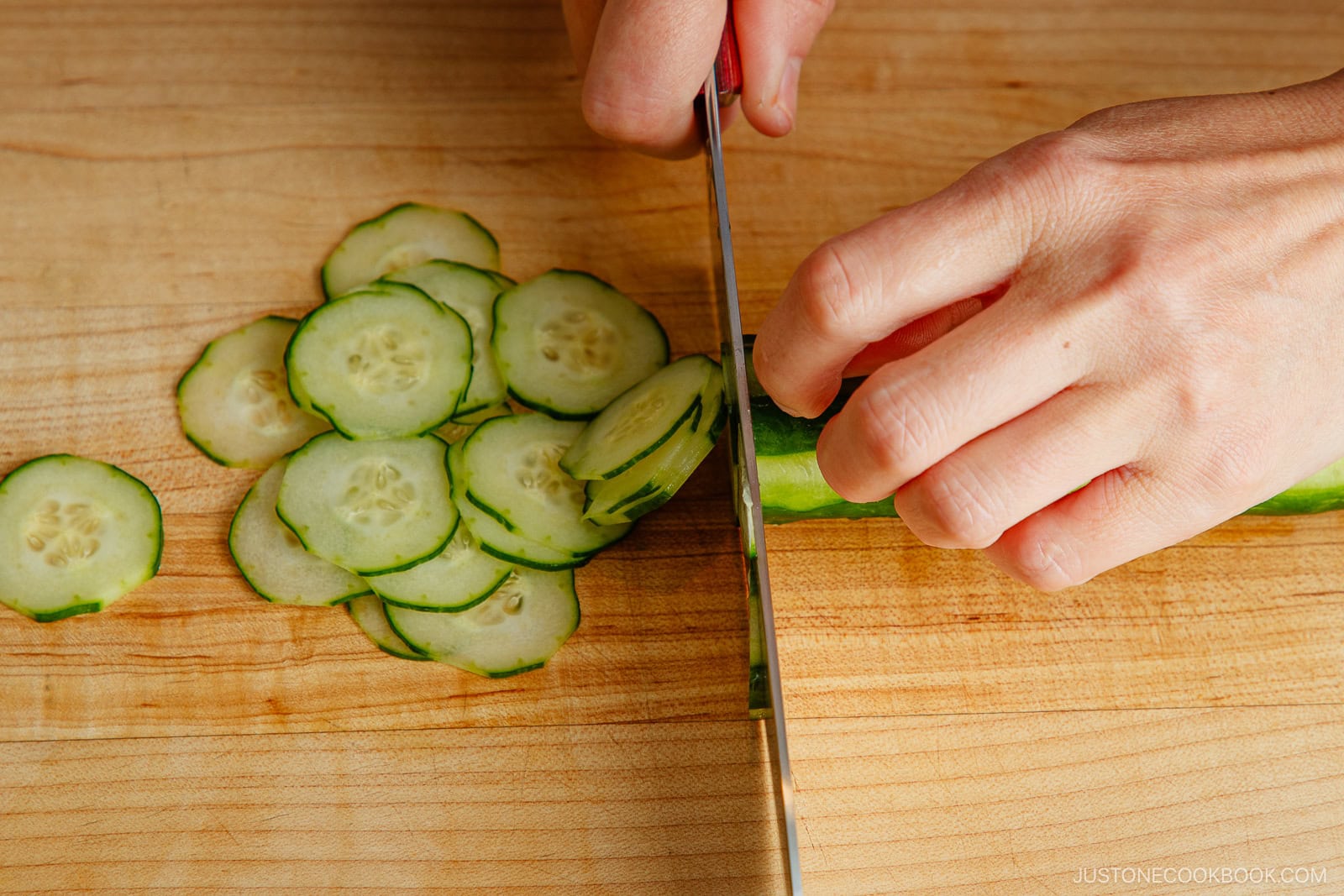
Safe finger placementkeeps your hand safe. Curl your fingertips inward on the hand holding the food. Your knuckles guide the knife while protecting fingers. Keep the thumb behind the fingers, away from the blade.
For optimal knife angles, slice with a slight forward and downward motion. Keep the blade at about 20 degrees to the cutting board. This angle cuts smoothly and reduces effort. Avoid pressing straight down, which slows slicing.
Credit: www.justonecookbook.com
Slicing Techniques For Speed
Rocking Motionmeans moving the knife in a back-and-forth curve. This keeps the blade touching the cutting board. It helps cut quickly and safely. Use the tip of the knife as a pivot. Move the handle up and down smoothly. This motion reduces effort and speeds up slicing.
Push Cuttinguses a straight push with the knife blade. Press the blade down and forward on the food. This method is good for soft items like tomatoes. Keep fingers away from the blade path. Push cutting makes quick, clean slices with less force.
Claw Grip Methodprotects your fingers. Curl your fingertips inward, holding the food with knuckles out. The knife blade slides against your knuckles. This grip gives control and safety. It helps slice fast without cutting yourself.
Maintaining Consistency While Slicing Quickly
Even thickness controlhelps keep slices uniform. This improves cooking time and presentation. Hold the knife steady and guide it with your knuckles. Use your non-cutting hand to keep the food stable. Practice makes your cuts more even and faster.
Pacing and rhythmmatter when slicing quickly. Find a steady pace that feels natural. Fast cutting without control causes uneven pieces. Keeping a rhythm helps your hands move smoothly. This reduces mistakes and speeds up slicing.
Adjusting speed for different foodsis key. Softer foods need slower cuts to avoid squishing. Harder foods require more force but steady speed. Learn the texture of each food to slice well. Changing speed stops accidents and keeps slices tidy.

Credit: www.amazon.ca
Safety Tips To Avoid Injuries
Keeping blades sharp is importantfor safe slicing. Dull blades require more force and can slip easily. Use a sharpener or get blades sharpened regularly to reduce accidents.
A proper cutting surface helps protect both the blade and the user. Choose a sturdy, flat surface like a wooden or plastic cutting board. Avoid cutting on glass or metal, as they can dull blades quickly.
- Focus on the task without distractions.
- Keep your eyes on the blade and food.
- Take breaks if feeling tired or unfocused.
- Hold the food securely to avoid slips.
Practice Drills To Improve Speed
Repetition builds speed. Practicing the same slice over and over helps muscle memory.
Set a timer for slicing challenges. Try to slice as many pieces as possible in that time. This adds a fun way to improve speed.
| Tracking Progress | Details |
|---|---|
| Record Times | Write down how fast you slice each day. |
| Count Slices | Note the number of slices per session. |
| Compare Results | See improvements after each practice. |
Common Mistakes To Avoid
Using dull knivesmakes slicing hard and unsafe. Dull blades slip and cause uneven cuts. Keep knives sharp for smooth slicing.
An incorrect gripslows you down and risks injury. Hold the knife handle firmly but not too tight. Use your other hand to guide the food carefully.
Rushing without controlleads to messy cuts and accidents. Move the knife steadily and with purpose. Speed comes from practice, not haste.

Credit: www.evolvingtable.com
Frequently Asked Questions
How Can I Slice Faster Manually?
Use a sharp knife and steady cutting board. Keep your fingers curled and use a consistent slicing motion. Practice improves speed and precision.
What Tools Help Speed Up Manual Slicing?
A sharp chef’s knife or mandoline slicer speeds up slicing. Use a non-slip cutting board for safety and efficiency.
How Do I Maintain Safety While Slicing Quickly?
Keep fingers tucked and use a claw grip on food. Slice away from your body slowly at first, then increase speed.
What Foods Are Easiest To Slice Quickly By Hand?
Soft vegetables like cucumbers, tomatoes, and onions are easier to slice fast. Firm foods require more care and slower slicing.
Conclusion
Fast slicing manually saves time and effort in the kitchen. Sharp knives and steady hands make a big difference. Use a cutting board for safety and control. Keep your fingers clear and cut with care. Practice these tips daily to improve your speed.
Slicing becomes easier and more precise over time. Enjoy cooking with less stress and more fun. Small changes lead to better results quickly. Try these methods and see the difference yourself.