
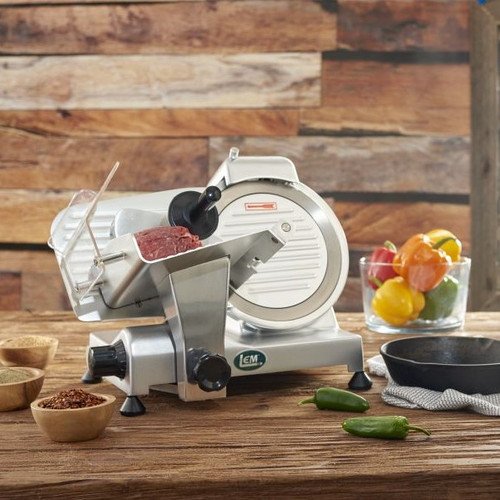
Are you tired of uneven slices ruining your food presentation or slowing down your kitchen work? Getting perfectly even slices with a commercial slicer might seem tricky, but it doesn’t have to be.
With the right tips and techniques, you can slice like a pro every single time. You’ll discover simple yet powerful tricks that will make your slicing smoother, faster, and more precise. Keep reading to unlock the secrets that will transform how you use your commercial slicer and take your food prep to the next level.
Choosing The Right Slicer
Manual slicers require more effort but offer greater control. Electric slicers save time and cut evenly every time. Choose based on your kitchen size and usage frequency.
| Blade Type | Best For | Common Sizes |
|---|---|---|
| Serrated | Breads and soft foods | 8-12 inches |
| Straight Edge | Cheese and meats | 10-14 inches |
| Scalloped | Delicate items | 8-10 inches |
- Look for blade guards to protect fingers.
- Non-slip feet keep the slicer steady.
- Automatic shut-off adds extra safety.
- Easy-to-clean parts reduce risk of injury.
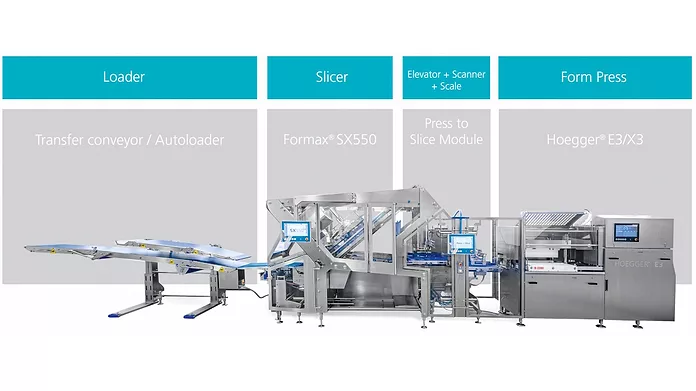
Credit: www.foodengineeringmag.com
Preparing The Slicer
Clean and sharp blades ensure smooth, even slicing. Always check and adjust the slicer settings before use. Keep the slicer clean to avoid uneven cuts.
Cleaning And Maintenance
Clean the slicer after each use. Use warm, soapy water to wash parts. Ensure all food residues are removed. Rinse thoroughly with clean water. Dry all parts completely to prevent rust. Use a soft cloth for drying. Regular cleaning keeps the slicer hygienic. A clean slicer performs better and lasts longer.
Blade Sharpening Tips
Sharp blades slice better and faster. Use a sharpening stone for the blade. Follow the manufacturer’s instructions for sharpening. Always be careful with sharp blades. Keep fingers away from the blade edge. Check blade sharpness regularly. A sharp blade is safer and more efficient.
Adjusting Thickness Settings
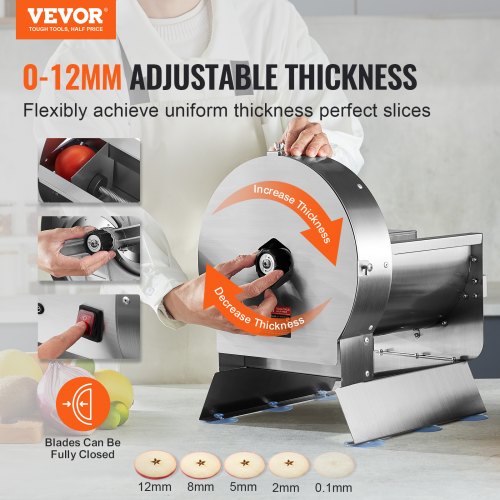
Adjust thickness settings for even slices. Use the control knob to set desired thickness. Test the slicer with a small piece of food. Make adjustments as needed for perfect slices. Remember to lock the settings once adjusted. This prevents accidental changes during slicing.
Handling The Product
Selecting the right product is key for even slicing. Choose items that are firm and uniformin shape. Soft or uneven products may cause uneven slicesand damage the slicer.
Place the product flat and centeredon the slicer. This helps the blade make clean, consistent cuts. Avoid placing items at an angle to prevent slanting slices.
- Use clamps or holders to secure the product.
- Keep the product steady to avoid slipping.
- Stable products produce uniform thicknessin slices.
Slicing Techniques
Applying consistent pressurehelps create even slices. Pressing too hard can crush the food. Too little pressure makes slices uneven. Keep your hand steady and firm.
Use smooth and steady movementsto avoid jagged cuts. Avoid stopping or speeding up suddenly. Move the slicer blade in one clean motion for best results.
- Check the slicer blade is sharp and clean.
- Do not rush the slicing process.
- Keep your fingers clear of the blade at all times.
- Secure the food properly to prevent slipping.
- Always slice on a stable surface.
Safety Practices
Wearing cut-resistant glovesprotects hands from sharp blades. Use eye protectionto guard against flying debris. Always wear a clean apronto keep clothes safe and clean.
Unplug the slicer before cleaning. Use a soft clothand warm, soapy waterto wipe surfaces. Avoid harsh chemicals that can damage the slicer. Dry all parts thoroughly to prevent rust.
Know where the emergency stop buttonis. Keep your hands clear of the blade while slicing. In case of injury, apply pressure and seek help immediately. Report any accidents to your supervisor right away.
Troubleshooting Common Issues
Uneven slices often result from blade dullnessor incorrect machine settings. A dull blade pulls or tears the product, causing inconsistent cuts.
Signs of a dull blade include:
- More effort needed to slice
- Rough or jagged edges on slices
- Strange noises during slicing
- Uneven thickness of slices
Adjusting the slicer depends on the product type. Soft products need a slower speed and less pressure. Hard products require a sharper blade and firm grip. Always check the thickness dial before starting to ensure uniform slices.
Maintaining Efficiency
Regular inspection keeps the commercial slicer working smoothly. Check blades for dullness or damage often. Tighten loose parts to avoid accidents. Clean the slicer after each use to stop buildup. This helps keep slices even and safe.
Proper storage protects the slicer and its parts. Keep blades dry and covered to prevent rust. Store the slicer in a clean, dry place. Avoid stacking heavy items on top of it. This saves time and repair costs.
- Train staff on safe slicer use and cleaning.
- Show how to adjust thickness settings correctly.
- Teach the importance of blade checks before use.
- Practice safe handling to prevent injuries.
- Encourage reporting of any slicer problems immediately.
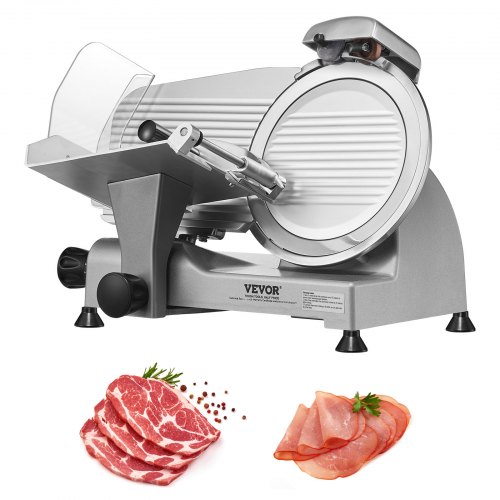
Credit: www.vevor.ca
Credit: www.vevor.ca
Frequently Asked Questions
How Do I Adjust Thickness On A Commercial Slicer?
Most commercial slicers have a thickness dial or knob. Turn it slowly to set the desired slice thickness. Always test on a small piece before full slicing to ensure even cuts.
What Safety Tips Improve Slicing Precision?
Always keep hands clear of the blade and use the food pusher. Wear cut-resistant gloves for added safety. Clean the blade regularly to avoid uneven slicing caused by residue buildup.
How Often Should I Sharpen The Slicer Blade?
Sharpen your blade whenever you notice uneven or torn slices. For frequent use, sharpen weekly. A sharp blade ensures consistent, even slicing and prolongs the slicer’s life.
Can Food Temperature Affect Slicing Quality?
Yes, slightly chilled food slices more evenly than room temperature items. Cold food is firmer and less likely to squish. Avoid freezing food, as it becomes too hard to slice smoothly.
Conclusion
Even slicing with a commercial slicer takes practice and care. Keep your blade sharp and adjust settings for best results. Always follow safety rules to avoid accidents. Clean the slicer regularly to keep it working well. Taking these steps helps you cut food evenly every time.
Consistent slices improve presentation and cooking. Try these tips to make slicing easier and safer. You will see better results with simple, steady effort.