
Are you tired of guessing whether your steak is perfectly medium-rare or if your chicken is cooked all the way through? Imagine the confidence that comes with knowing exactly when to flip, serve, and savor your grilled masterpieces.
Enter the world of smart grilling and discover how a temperature chart can transform your BBQ game. This chart isn’t just a tool; it’s your secret weapon for grilling success. With precise temperatures at your fingertips, you’ll never second-guess your grilling skills again.
Ready to elevate your backyard cookouts and impress your friends? Let’s dive into the essentials of mastering the grill with a temperature chart designed for smart grilling.

Credit: www.nuwavenow.com
The Science Of Smart Grilling
Grilling is more than just cooking. It’s about the right temperature. Each food has its own ideal heat. Meatneeds different temperatures than vegetables. Knowing the right heat makes food taste better.
Using a temperature charthelps. It shows the best heat for each food. For example, chicken is safe at 165°F. Fish is best at 145°F. Vegetables are good at 375°F. This way, food is safeand tasty.
Smart grilling means using tools. A thermometerchecks the heat inside food. It shows if food is ready. This way, grilling is easy and fun. Everyone can enjoy a perfect meal.

Credit: www.elitechus.com
Essential Bbq Temperature Zones
Low and slowcooking is great for tender meat. Heat stays between 225°F and 250°F. This method keeps the juices inside. It works well for ribs and briskets. Patience is key here. The meat cooks slowly.
Medium heat ranges from 300°F to 350°F. This zone is perfect for chicken and vegetables. It cooks food evenly. Keeps it juicy. Avoids burning the outer layer. Most BBQ recipes use this heat. It gives food a nice color.
High heat searing reaches 450°F to 500°F. It is ideal for steaks and burgers. The outer crust forms quickly. Seals in the flavors. This method is fast. Flip the meat often. Prevents burning.
Meat Temperature Guidelines
Cooking beef and lamb right is important. Medium rare is 130°F to 135°F. Medium is 140°F to 145°F. Well done is 160°F and above. Use a thermometer for accuracy. Avoid cutting into meat to check doneness. Juices escape, leaving meat dry.
Pork needs careful cooking. Safe temperature is 145°F. Let it rest for three minutes after cooking. Resting helps juices stay inside. Ground pork should reach 160°F. Avoid pink color in ground pork. Cook evenly for best taste.
Poultry must be cooked thoroughly. Chicken and turkey should reach 165°F. Check the temperature at the thickest part. No pink should be visible. Juices should run clear. Use a thermometer for safe cooking.
Fish is done at 145°F. Opaque color means fish is ready. Shrimp and lobster should be pink. Scallops turn white and firm when cooked. Avoid overcooking fish and seafood.
Utilizing Smart Grilling Tools
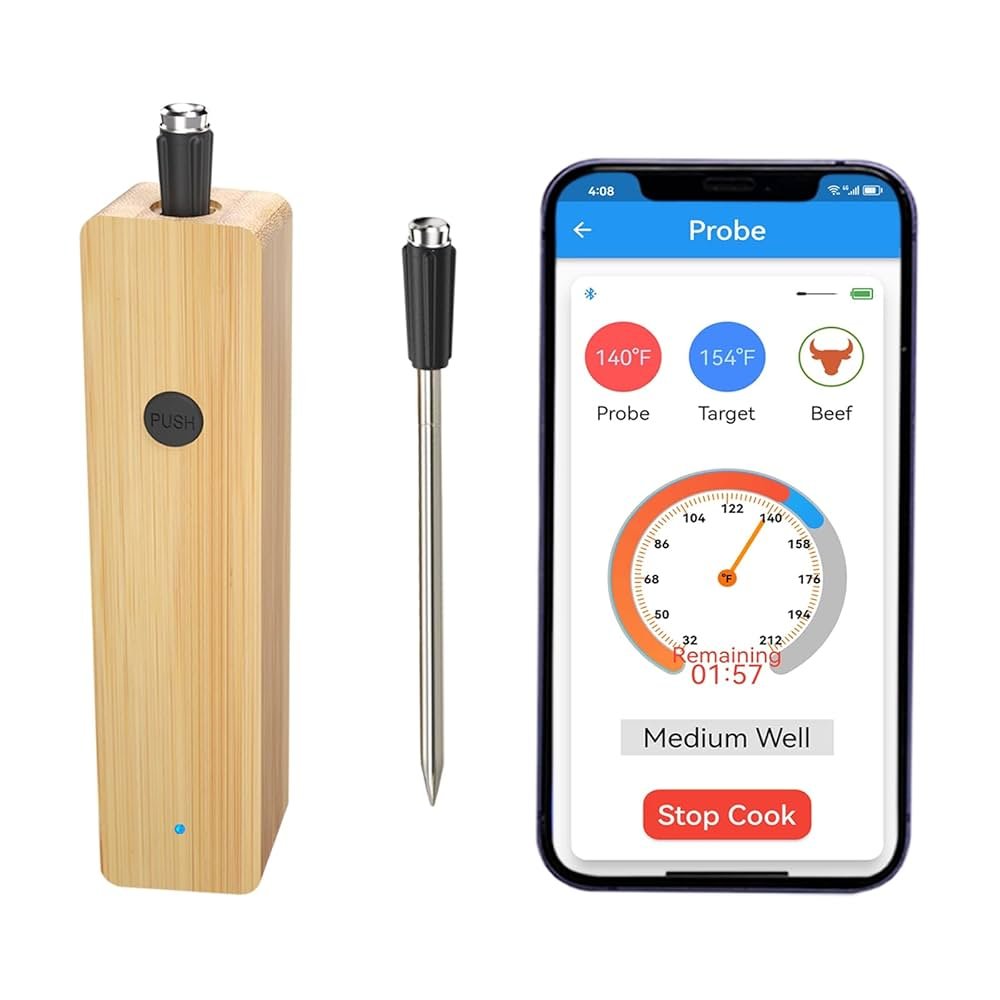
Digital thermometers help measure meat temperature. They give exact readings. These tools prevent overcooking or undercooking. Insert the probe into the meat. Watch the display carefully. Cook like a pro!
Smartphone apps connect with grills. They show temperature and cooking time. Some apps offer recipes. Alerts notify when food is ready. Great way to grill smartly. Easy and fun!
Integrated grill technology blends with digital controls. It helps adjust heat levels. Some grills have automatic timers. Grillers can set preferences. Perfect for consistent grilling!
Common Grilling Mistakes
Many people overcook or undercook their food. This can make meals less tasty. Always check the internal temperature of the meat. Use a thermometer for best results. Different meats need different temperatures. Learn the right temperatures for each type. This helps keep the food safe and yummy.
Meat needs to rest after cooking. Resting helps keep the juices inside. Cut too soon and the juices run out. This makes the meat dry and tough. Let meat sit for a few minutes before cutting. This makes meals more juicy and delicious.

Credit: www.amazon.com
Tips For Consistent Results
Preheating is very important for grilling. It helps cook food evenly. Turn the grill on a few minutes before cooking. This will make the grill hot and ready. Different foods need different heat levels. So, set the right temperature.
Always keep an eye on the grill’s temperature. It can change quickly. Use a thermometer to check. Adjust the heat if needed. Lower heat if food cooks too fast. Raise it if food cooks too slow. This keeps your food just right.
After cooking, let food rest. This helps the juices stay in. It makes the food tasty and moist. Wait a few minutes before serving. Cut and serve when it’s ready. Your food will taste better this way.
Frequently Asked Questions
What Is The Temperature Range For Grilling?
Grilling temperatures typically range from 200°F to 600°F. Low heat (200°F-300°F) is for slow cooking. Medium heat (300°F-400°F) suits most meats. High heat (400°F-600°F) sears meats quickly. Adjust the temperature based on the type of food being grilled for optimal results.
What Temperature Is 350 On A Grill?
A grill temperature of 350 degrees Fahrenheit is considered medium heat. This temperature is ideal for cooking chicken, vegetables, and other foods that require moderate heat to cook evenly. Adjusting the grill’s settings can help maintain this temperature for consistent cooking results.
How To Tell What Temperature A Grill Is At?
Use a grill thermometer to check the temperature accurately. Place it on the grill grates. Digital thermometers provide quick, precise readings. For an estimate, hold your hand above the grill. If you can only hold it for 2-4 seconds, it’s about medium-high heat.
Always verify with a thermometer for accuracy.
What Is The Correct Temperature For All Grill Surfaces?
Grill surfaces should maintain temperatures between 400-450°F for direct grilling and 300-350°F for indirect grilling. These temperatures ensure optimal cooking results, enhancing flavor and texture. Use a grill thermometer for precise control. Keeping grills clean and properly maintained also aids in achieving accurate temperatures.
Conclusion
Smart grilling enhances flavor and enjoyment. Knowing the right temperatures ensures delicious results. Each type of meat has its ideal cooking temperature. Follow the chart for juicy steaks and perfectly grilled chicken. Consistency brings confidence in grilling skills. Experiment with different techniques and flavors.
Enjoy the process and the tasty rewards. Keep a thermometer handy for accuracy. Grilling is an art that anyone can learn. Share your creations with family and friends. Happy grilling brings people together. Stay safe and savor every bite.