
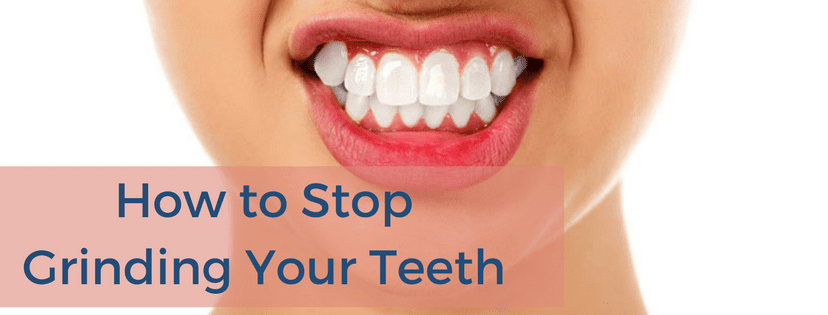
Are you waking up with a sore jaw or headaches that just won’t go away? You might be grinding your teeth without even realizing it.
Teeth grinding can cause serious damage over time, but the good news is—you don’t have to live with it. You’ll discover simple, effective ways to stop grinding your teeth and protect your smile. Keep reading, because your comfort and dental health matter more than you think.

Credit: sentinelmouthguards.com
Causes Of Teeth Grinding
Stress and anxietyoften cause teeth grinding. Tension in the mind leads to tight jaw muscles. This can happen during the day or at night.
Sleep disorderslike sleep apnea or restless leg syndrome may trigger grinding. Poor sleep quality makes the body tense.
Misaligned teethcan cause uneven pressure when biting. This makes the jaw move strangely and grind teeth unconsciously.
Lifestyle factorssuch as caffeine, alcohol, and smoking increase chances of grinding. These habits affect nerves and muscles.

Credit: www.dentistryondusk.com
Signs And Symptoms
Jaw pain and sorenessare common signs of teeth grinding. The muscles around the jaw may feel tight or tender. This pain often worsens in the morning after sleeping. It can make chewing and talking uncomfortable.
Tooth damagehappens because of the strong pressure from grinding. Teeth may become chipped, cracked, or worn down. This damage can increase tooth sensitivity and lead to other dental problems.
- Headachesoften occur near the temples or behind the eyes.
- These headaches usually happen after waking up or during stressful times.
- They can be dull or sharp but tend to come and go.
Sleep disruptionaffects both the person grinding and their partner. Grinding noises may wake others. Poor sleep quality results in tiredness and less focus during the day.
Home Remedies
Stress reductioncan help stop teeth grinding. Try deep breathing or meditation to calm your mind. Taking breaks during the day to relax also works well.
Jaw exercisesease muscle tension. Gently open and close your mouth. Move your jaw side to side slowly. These exercises reduce tightness and pain.
Warm compressesrelax jaw muscles. Apply a warm cloth or heat pack to your face for 10-15 minutes. This helps ease soreness and stiffness.
- Avoid stimulantslike caffeine and nicotine, especially in the evening.
- Limit soda, tea, and coffee to reduce jaw clenching.
- Choose herbal teas or water instead.
Medical Treatments
Mouthguards and splintsprotect teeth from grinding damage. They fit over teeth and act as a cushion. Dentists make custom ones for better comfort. Wearing them at night reduces jaw pain and prevents tooth wear.
Dental correctionfixes teeth alignment issues causing grinding. Braces or crowns help adjust bite problems. Correcting bite can stop grinding or lessen its effects.
| Medication Options | Purpose |
|---|---|
| Muscle relaxants | Reduce muscle tightness and jaw clenching |
| Pain relievers | Ease jaw and tooth pain |
| Anti-anxiety drugs | Lower stress, a cause of grinding |
Therapy and counselingaddress stress and anxiety issues. Talking to a therapist helps manage emotions. Relaxation techniques reduce grinding caused by tension.
Lifestyle Changes
Good sleep hygienehelps reduce teeth grinding. Keep a regular sleep schedule. Avoid screens at least 30 minutes before bed. Create a calm, dark, and quiet room for sleeping.
Limit alcohol and caffeine. These can make your muscles tense and your sleep restless. Try to avoid these drinks late in the day.
- Exercise regularly. It helps relax your body and mind.
- Avoid intense workouts close to bedtime.
Mindfulness practiceslike deep breathing or meditation reduce stress. Stress often causes teeth grinding. A few minutes daily can calm your mind and body.
When To See A Dentist
Persistent teeth grindingcan cause pain and discomfort. If symptoms last more than two weeks, it is time to see a dentist. Constant jaw pain or headaches are signs to check with a professional.
Tooth damage severityis a key factor. Look for chipped, cracked, or worn teeth. This damage can lead to bigger problems if untreated.
Sleep issueslike loud grinding noises or restless nights affect your health. A dentist can help find the cause and suggest solutions to improve sleep quality.
Professional diagnosisincludes a thorough exam and sometimes X-rays. Dentists can spot hidden damage and suggest treatments like night guards or therapy.

Credit: kigodental.com
Frequently Asked Questions
What Causes Teeth Grinding And How To Stop It?
Teeth grinding, or bruxism, is often caused by stress, anxiety, or misaligned teeth. To stop it, try stress management, use a mouthguard, and maintain good sleep habits. Consulting a dentist can help identify specific causes and recommend effective treatments.
Can Stress Lead To Teeth Grinding At Night?
Yes, stress is a common trigger for nighttime teeth grinding. Managing stress through relaxation techniques, exercise, and proper sleep can reduce grinding. Using a custom night guard can also protect your teeth while you sleep.
How Effective Are Mouthguards For Stopping Teeth Grinding?
Mouthguards are highly effective in protecting teeth from grinding damage. They cushion your teeth and reduce pressure on jaw muscles. Custom-fitted guards from a dentist offer the best protection and comfort for long-term use.
Are There Natural Remedies To Prevent Teeth Grinding?
Natural remedies include stress reduction, meditation, and avoiding caffeine or alcohol before bed. Regular jaw exercises and warm compresses can relax muscles. These methods help reduce grinding frequency and intensity without medication.
Conclusion
Stopping teeth grinding improves your sleep and protects your teeth. Try simple steps like reducing stress and avoiding caffeine. Use a mouthguard at night if needed. Talk to a dentist for advice and treatment options. Small changes make a big difference over time.
Keep your jaw relaxed and practice good habits daily. You can reduce grinding and feel better each day. Take care of your smile and health now.