

Are you in the market for a new oven and feeling overwhelmed by the choices? The decision between a smart oven and a regular oven can be a tough one.
Both have their unique features and benefits, but which is the right choice for you and your kitchen? Imagine being able to control your oven with just a tap on your smartphone or having it help you cook the perfect meal every time.
Sounds intriguing, right? On the other hand, you might wonder if a traditional oven is more reliable and straightforward for your needs. We’ll break down the differences between smart ovens and regular ovens, helping you make an informed decision that fits your lifestyle. So, if you want to discover which oven could revolutionize your cooking experience, keep reading!
Credit: toasterovenlove.com
Features Of Smart Ovens
Smart ovens connect to Wi-Fi. You can control them with apps. Check your oven from your phone. Set the temperature or timer easily. No need to be in the kitchen. Receive alerts when your food is ready. It’s simple and fun.
Smart ovens have many cooking programs. Bake, roast, or grill with one touch. Programs adjust time and heat. Your food cooks perfectly. Less guessing, more eating. Kids can even help cook!
Use your voice to control the oven. Ask it to preheat or turn off. Smart ovens work with AI assistants. Talk to Alexa or Google. You can cook with just your voice. No hands needed!
Features Of Regular Ovens
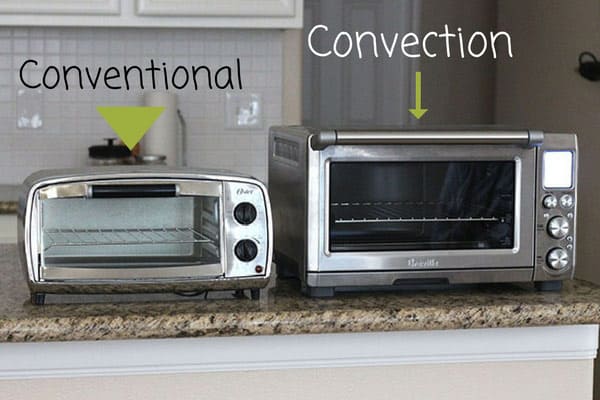
Regular ovens use convection and radiant heat. Convection ovens have fans to move hot air. Radiant ovens heat food from bottom and top. These ovens are easy to understand. They cook food evenly and consistently. Heat distribution is simple and predictable.
Manual controls let users set the temperature. Users turn a knob to adjust heat. This method is straightforward. No need for complicated settings. Users have full control over cooking. This suits basic recipes well.
Regular ovens are built to last. They have fewer moving parts. Less technology means fewer breakdowns. This makes them reliable for everyday use. Simplicity means ease of use. No confusing digital screens. Just straightforward cooking.
Cooking Performance
Smart ovens offer advanced features like touch controls and sensors for precise cooking. Regular ovens provide traditional cooking methods, often requiring manual adjustments. Both types cater to different preferences and budgets.
Precision Cooking
Smart ovens offer precise temperature control. Regular ovens often have temperature fluctuations. Smart ovens can adjust settings automatically. This ensures food cooks perfectly. Regular ovens require manual adjustment. Smart ovens have sensors for better accuracy.
Consistency In Results
Smart ovens provide consistent cooking results. They maintain even heat distribution. Regular ovens may have hot spots. This can cause uneven cooking. Smart ovens use advanced technology. Regular ovens rely on basic heating elements. Smart ovens ensure food is cooked uniformly.
Speed And Efficiency
Smart ovens cook food faster and more efficiently. They preheat quickly. Regular ovens take longer. Smart ovens use less energy. This saves time and power. Regular ovens are less efficient. Smart ovens have features that speed up cooking.

Credit: www.breville.com
Energy Efficiency
Smart ovens use less power than regular ovens. They have advanced settings to heat food quickly. This means less energy is used. Regular ovens take longer to heat up. This uses more electricity. Smart ovens can save you money on your bills.
Smart ovens come with eco-friendly options. They have settings to reduce energy waste. Some smart ovens even use renewable energy. Regular ovens lack these features. This makes smart ovens better for the planet.
Smart ovens cost more upfront. But they save money over time. Lower electricity bills help save money. Regular ovens are cheaper to buy. Yet, they use more energy. This can cost more in the long run.
User Experience
Smart ovens often have touchscreensand simple controls. Regular ovens might have knobsand buttons. Smart ovens can be easier for some people. They might need less guessing to use. Regular ovens are more familiar to many users. Both types can cook well.
Smart ovens may need more time to learn. They have advanced features. Regular ovens are straightforward. Most people know how to use them. Smart ovens might need reading manuals. Regular ovens are simple. They do not need extra steps.
Smart ovens can have self-cleaningoptions. This helps keep them tidy. Regular ovens need manual cleaning. Smart ovens might have more delicate parts. Regular ovens are more robust. Cleaning smart ovens can be easier sometimes.
Cost Comparison
Smart ovens often come with a higher price tag due to advanced features and connectivity. Regular ovens are typically more budget-friendly, focusing on basic cooking functions. Balancing initial costs with potential energy savings can guide your choice between these two options.
Initial Investment
Smart ovens often have a higher initial cost. These ovens include advanced features. Regular ovens are usually more affordable. They have basic functions. Consider your budget before buying.
Long-term Value
Smart ovens can save you money over time. They use less energy. This means smaller electricity bills. Regular ovens may cost more in the long run. Their energy usage is higher.
Repair And Replacement Costs
Repairing a smart oven can be expensive. They have complex parts. Regular ovens are simpler. Fixing them costs less. But, smart ovens might last longer. Their technology is newer.
Versatility And Functionality
Smart ovens offer many cooking modes. Bake, grill, or steam with ease. Regular ovens have fewer options. Usually, only bake and broil. Smart ovens can adjust settings automatically. They make cooking easier. This helps to cook food perfectly. Regular ovens need manual control.
Smart ovens are compatible with many accessories. Use pizza stones, racks, and trays. Regular ovens may not fit all. Smart ovens often come with special trays. These help in cooking various dishes. Regular ovens have basic racks. They are less flexible in use.
Smart ovens can cook multiple dishes at once. They have special settings for this. Regular ovens usually cook one dish at a time. This limits their use. Smart ovens save time. They allow cooking two or more foods together. This makes them very handy in busy kitchens.
Smart Features In Everyday Use
Smart ovens let you watch cooking progress from your phone. You can see the temperature and time left. It’s easy to check your meal without opening the oven. Parents can keep an eye on dinner while helping with homework. This feature makes cooking more relaxed.
These ovens have preset options for different meals. Choose settings for pizza, chicken, or cake. You can save your favorite settings too. Cooking becomes simple and fun. No need to guess temperature or time. Every meal turns out just right.
Smart ovens work well with other smart gadgets. Connect them to your home system. Use voice commands to start cooking. It’s easy to turn on the oven while watching TV. This makes cooking part of a modern home life.
Pros And Cons
Smart ovenshave many cool features. You can control them with your phone. They can cook food with perfect timing. Temperature settingsare easy to adjust. Some even have recipes built in. This helps you cook tasty meals. Energy efficiencyis another plus. Smart ovens save power. They are safe and reduce the risk of burning food.
Smart ovens can be costly. They might not fit everyone’s budget. Technology issuescan be a problem. Apps might crash or not work. Internet is necessary for some functions. Without it, features won’t work. Learning to use them takes time. Some people prefer simple ovens.
| Pros | Cons |
|---|---|
| Cheaper than smart ovens. | Less features available. |
| Easy to use. | Manual temperature control. |
| Reliable and long-lasting. | Can use more energy. |
Credit: www.kitchenaid.com
Choosing The Right Oven
Smart ovens offer advanced features like preset cooking modes. Regular ovens are simple. They get the job done without extra options. If you cook often, a smart oven can make life easier. Regular ovens suit basic cooking tasks. Decide what you cook most. Choose based on that.
Smart ovens tend to be more expensive. Regular ovens are usually cheaper. Think about your budget. Smart ovens might save time. But they cost more upfront. Regular ovens fit smaller budgets. Consider what you can afford. Balance cost with features.
Smart ovens connect to apps. They offer remote control. Regular ovens do not have this feature. Choose if you like tech gadgets. Smart ovens suit tech lovers. Regular ovens suit those who prefer simplicity. Consider your lifestyle. Are you tech-savvy or not?
Frequently Asked Questions
Is It Worth Getting A Smart Oven?
A smart oven is worth it for tech-savvy cooks seeking convenience. It offers precise cooking, remote control, and energy efficiency. Enjoy features like voice commands and automatic updates. Consider it for a modern kitchen upgrade.
What Makes An Oven A Smart Oven?
A smart oven connects to Wi-Fi, allowing remote control via smartphone apps. It offers preset cooking functions, voice command compatibility, and energy efficiency. Smart ovens can monitor cooking progress, send notifications, and integrate with smart home systems for seamless operation.
They enhance convenience and precision in cooking.
What Foods Should Not Be Cooked In A Convection Oven?
Delicate baked goods like soufflés and custards can dry out in a convection oven. Bread can become overly crusty. Foods requiring moist heat, like braised dishes, may not cook evenly. Avoid dishes that need gentle cooking, as the fan’s circulation can disrupt the texture.
Can You Bake In A Smart Oven?
Yes, you can bake in a smart oven. It offers precise temperature control and convenient pre-set cooking modes. Smart ovens are designed to enhance baking results, making them efficient and easy to use. Enjoy perfectly baked goods with the advanced features of a smart oven.
Conclusion
Choosing between a smart oven and a regular oven depends on your needs. Smart ovens offer convenience with tech features. They can save time and energy. Regular ovens are reliable and straightforward. They suit traditional cooking styles. Consider your cooking habits and budget.
Smart ovens may enhance your kitchen experience. Regular ovens provide simplicity and proven performance. Both options have their own advantages. Decide what fits best in your kitchen. Happy cooking!