
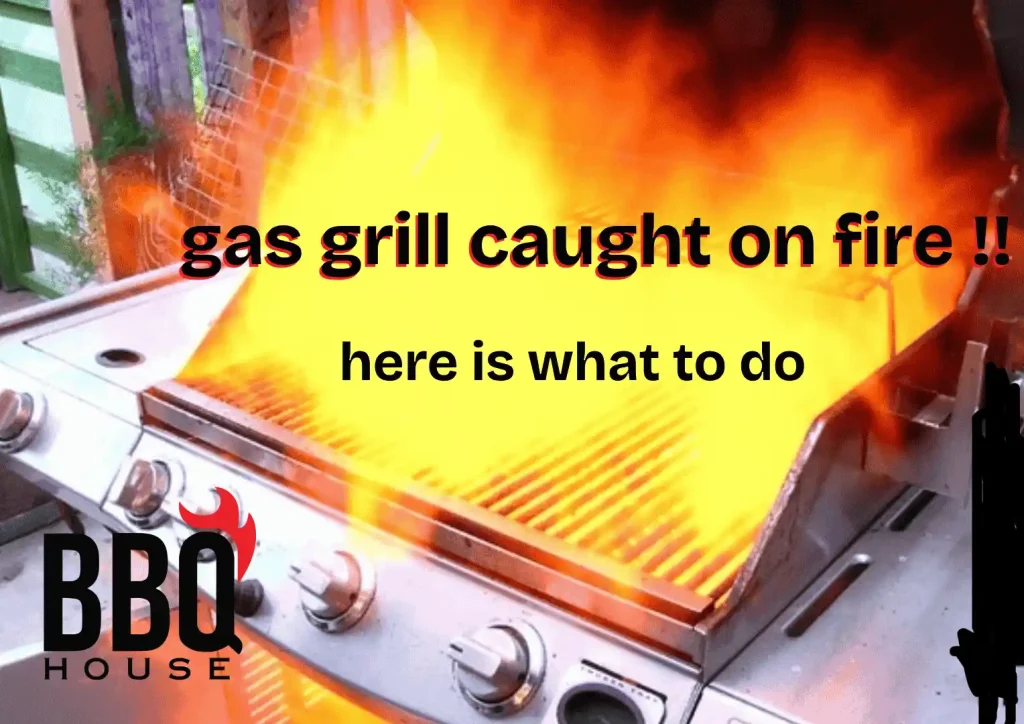
You love the freedom and fun that comes with using a portable grill. Whether you’re camping, tailgating, or just enjoying a backyard cookout, your grill is the star of the show.
But have you ever thought about how quickly things can go wrong if fire safety isn’t on your mind? One small mistake can turn your fun day into a dangerous situation. You’ll discover simple yet powerful tips to keep your portable grill safe for you and everyone around you.
Keep reading—your safety and peace of mind depend on it.
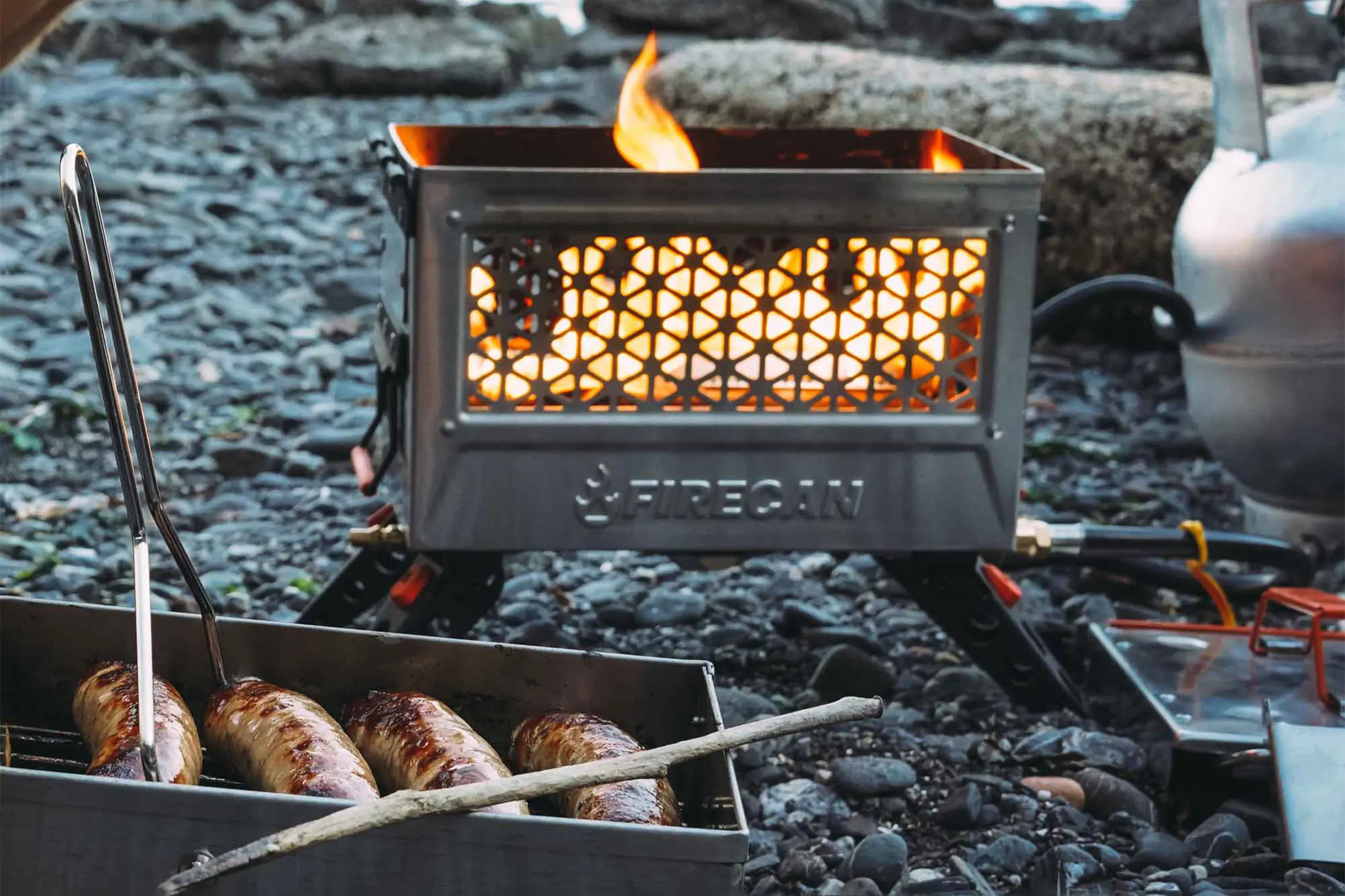
Credit: gearjunkie.com
Choosing The Right Location
Choosing a safe spot for your portable grill is very important. It helps prevent fires and keeps everyone safe.
Pick a location that avoids risks and has good airflow. Keep your grill away from anything that can catch fire easily.
Avoiding Flammable Areas
Do not place your grill near dry grass, leaves, or wooden decks. Sparks can start a fire quickly in these places.
- Clear the area of leaves and dry plants
- Stay away from hanging branches or bushes
- Keep the grill on a non-flammable surface like concrete or stone
Ensuring Proper Ventilation
Good airflow helps the fire burn safely and prevents smoke buildup. Do not use the grill in small enclosed spaces.
Follow these ventilation tips:
- Place the grill outdoors in an open area
- Avoid grilling in garages or tents
- Make sure wind can move freely around the grill
Maintaining Distance From Structures
Keep your grill far from buildings and other structures. Heat and sparks can damage walls and roofs.
| Structure Type | Safe Distance |
| House Walls | At least 10 feet (3 meters) |
| Wooden Decks | At least 15 feet (4.5 meters) |
| Garage or Shed | At least 20 feet (6 meters) |
Preparing Your Grill Safely
Using a portable grill is fun but needs care. Preparing it safely helps prevent accidents.
Check your grill before each use. This keeps you and others safe while cooking.
Inspecting For Damage
Look over your grill for cracks, rust, or broken parts. Damaged parts can cause fires or leaks.
Check the grill body, legs, and cooking grate carefully. Replace anything that looks unsafe.
Cleaning Before Use
Clean your grill before cooking. Old grease and food bits can catch fire and cause smoke.
Use a grill brush to remove dirt from grates. Wipe the outside with a damp cloth to keep it tidy.
Checking Fuel Connections
Inspect gas hoses and connections for leaks or cracks. Faulty fuel lines can cause dangerous fires.
- Look for cracks or holes in the hose
- Make sure connections are tight and secure
- Test for leaks by applying soapy water and watching for bubbles
Safe Ignition Practices
Using a portable grill is fun but can be risky if not handled right. Safe ignition helps prevent accidents and fires.
Follow simple rules to light your grill safely every time. This keeps you and others safe.
Using Approved Lighters
Always use lighters made for grilling or cooking. These lighters are designed to work safely with grills.
Avoid using matches or regular household lighters. They can be hard to control and cause burns.
Avoiding Overuse Of Lighter Fluid
Only use a small amount of lighter fluid to start the fire. Too much fluid can cause big flames.
Never add lighter fluid after the fire is lit. This can cause flare-ups and serious burns.
- Use just enough fluid to soak the charcoal lightly
- Wait a minute after applying fluid before lighting
- Keep lighter fluid away from children and heat
Lighting Procedures
Light the grill in a clear, open space away from buildings and trees. This lowers fire risk.
Light the fire from the side, not above. Keep your face and hands away from the flames.
- Check for gas leaks if using a gas grill before lighting
- Use long matches or grill lighters for safety
- Have water or a fire extinguisher nearby in case of emergencies

Credit: nkytribune.com
Managing Flames And Heat
Using a portable grill means controlling fire and heat safely. Flames can grow quickly if not watched. Heat levels affect cooking and safety.
Understanding how to manage flare-ups, adjust heat, and use tools can keep you safe outdoors.
Controlling Flare-ups
Flare-ups happen when fat drips onto flames. They can burn food or cause injury. Stay calm and follow safe steps.
- Keep a spray bottle of water nearby to douse small flames.
- Move food to a cooler grill area if flames rise suddenly.
- Trim excess fat from meat to reduce dripping.
- Do not leave the grill unattended while cooking.
Adjusting Heat Levels
Adjusting the heat helps cook food evenly and prevents accidents. Portable grills often have knobs or vents to control heat.
| Heat Control Method | How to Use |
| Gas Knob | Turn to increase or lower flame size. |
| Air Vents | Open to raise heat, close to lower it. |
| Grill Lid | Close to keep heat in, open to cool down. |
Using Grill Tools Safely
Using the right tools helps keep your hands safe from heat and flames. Always pick tools made for grilling.
- Use long-handled tongs and spatulas to keep distance from heat.
- Wear heat-resistant gloves to protect your hands.
- Keep tools clean to avoid grease fires.
- Do not use wet cloths to handle hot tools or food.
Fire Extinguishing Measures
Using a portable grill means you must be ready to handle fire safely. Knowing how to put out fires quickly can keep everyone safe.
Fire extinguishing measures help prevent accidents and stop fires from spreading. Always be prepared with the right tools and actions.
Keeping Fire Extinguishers Nearby
Always keep a fire extinguisher close to your grill. It is the best tool to stop small fires fast.
Check that your extinguisher works and is easy to reach before you start grilling.
- Choose an extinguisher suitable for grease and electrical fires.
- Place it on a flat surface near the grill.
- Make sure everyone knows where it is and how to use it.
Using Water And Sand Safely
Water can be risky on grease fires. It may spread the flames instead of stopping them.
Use sand or dirt to cover flames safely. Sand helps to smother the fire by cutting off oxygen.
- Do not pour water on grease or oil fires.
- Keep a bucket of sand or dirt nearby.
- Use sand to cover small fires if no extinguisher is available.
Emergency Response Steps
If a fire starts, act quickly but stay calm. Your actions can stop the fire from growing.
Follow these steps to handle a grill fire safely and help everyone stay safe.
- Turn off the grill gas or remove the heat source if safe.
- Use a fire extinguisher or sand to put out the fire.
- If the fire grows, move away and call emergency services.
- Warn others nearby and keep a safe distance.
Credit: www.servpro.com
After-grilling Safety
After grilling, it is important to follow safety steps. These steps help prevent fires and injuries.
Taking care of your grill after use keeps your outdoor space safe and ready for next time.
Properly Cooling Down The Grill
Let the grill cool down completely before moving or cleaning it. Hot grills can cause burns or start fires.
Keep the grill lid open while cooling to help heat escape faster. Do not cover the grill until it is cold.
Disposing Of Ashes Safely
Wait for ashes to cool for at least 48 hours before disposal. Hot ashes can cause fires if thrown away too soon.
Use a metal container with a lid to store cooled ashes. Do not use plastic or paper containers.
- Check ashes are cold to the touch
- Place ashes in a metal container
- Keep container outside and away from buildings
Storing The Grill
Store your grill in a dry, ventilated area to prevent rust and damage. Avoid storing it while still wet.
Cover the grill with a weatherproof cover to protect it from dust and rain. Remove the cover before use.
Additional Safety Tips
Using a portable grill requires care beyond just lighting the fire. Follow extra safety steps to prevent accidents.
Small actions can keep your family and pets safe while enjoying outdoor cooking.
Supervising Children And Pets
Keep children and pets away from the grill area. They can get hurt by hot surfaces or flames.
- Set a safe zone around the grill with barriers if possible.
- Always watch children and pets closely during grilling.
- Teach children about grill dangers in simple words.
Wearing Appropriate Clothing
Wear clothes that protect you from sparks and heat. Loose clothing may catch fire easily.
| Clothing Type | Safety Tip |
| Long sleeves | Wear fitted or tight sleeves to avoid contact with flames |
| Natural fabrics | Choose cotton or wool; avoid synthetic materials |
| Footwear | Wear closed shoes to protect feet from hot spills |
Avoiding Alcohol While Grilling
Alcohol can slow your reactions and cause poor judgment near fire.
Follow these tips to stay safe:
- Do not drink alcohol before or while grilling.
- Keep a sober person in charge of the grill.
- Have water or a fire extinguisher nearby just in case.
Frequently Asked Questions
How Can I Safely Use A Portable Grill?
To safely use a portable grill, always set it on a stable surface. Ensure it’s away from flammable materials. Keep a fire extinguisher nearby. Regularly clean the grill to prevent grease fires. Never leave the grill unattended when in use.
What Should I Do If A Grill Fire Starts?
If a grill fire starts, immediately turn off the gas supply. Use a fire extinguisher or baking soda to smother flames. Never use water on grease fires. If the fire gets out of control, call the fire department immediately for assistance.
Can I Use A Portable Grill Indoors?
No, you should never use a portable grill indoors. Grills produce carbon monoxide, a dangerous gas. Ventilation indoors is insufficient for safe use. Always use grills outdoors, in open spaces, to ensure proper ventilation and safety.
How Often Should I Clean My Portable Grill?
Clean your portable grill after every use. Regular cleaning prevents grease buildup, reducing the risk of fires. Use a grill brush to remove food particles. Clean the drip tray and other removable parts. Regular maintenance extends the grill’s lifespan.
Conclusion
Portable grill fire safety saves lives and prevents accidents. Always keep your grill away from flammable materials. Never leave the grill unattended while cooking. Use tools with long handles to avoid burns. Keep a fire extinguisher nearby for emergencies. Check for gas leaks before lighting the grill.
Clean the grill regularly to avoid grease fires. Stay alert and follow these safety tips every time. Enjoy your outdoor cooking with peace of mind. Safety first, fun always.