
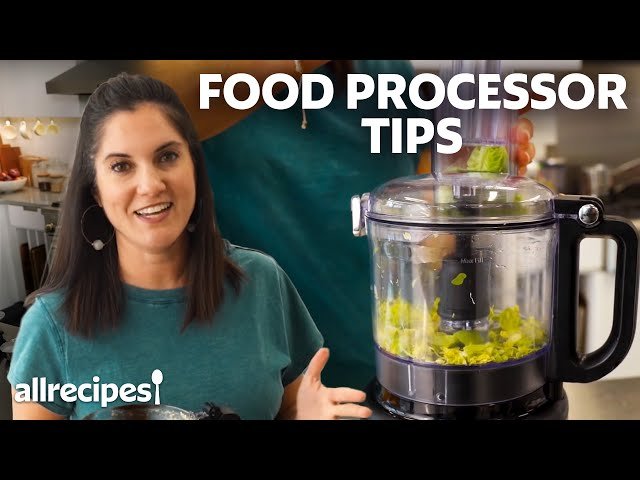
Are you ready to make your kitchen tasks faster and easier? A mini food processor can be your best friend, especially if you’re new to cooking or short on time.
But knowing how to use it right can save you from common mistakes and help you get the most out of this handy gadget. You’ll discover simple, practical tips that make using your mini food processor a breeze. Keep reading, and soon you’ll be chopping, mixing, and blending like a pro—without any hassle.
Choosing The Right Mini Food Processor
Choosing the right mini food processor depends on a few key factors. Capacity and sizematter a lot. Small kitchens benefit from compact models, while larger families may need bigger bowls.
Power and speed settingsaffect how well the processor handles different foods. More power means tougher foods get chopped easily. Multiple speed options offer better control over texture.
Essential attachmentsadd versatility. Common attachments include:
- Chopping blades for vegetables and nuts
- Dough blades for mixing
- Slicing discs for cutting fruits and veggies
- Whisk attachments for whipping creams or eggs
Choosing a model with the right attachments saves time and space in the kitchen.
:max_bytes(150000):strip_icc()/faw-mini-food-processors-primary-rkilgore-0828-1-ef83ffc1910f4bc29b822ca52c5ee722.jpeg)
Credit: www.foodandwine.com
Basic Setup And Safety Tips
Place the mini food processor on a flat surface for stability. Always secure the lid before turning it on. Keep hands and utensils away from blades to avoid accidents.
Prep Hacks For Common Ingredients
Chop vegetables quicklyby cutting them into small pieces first. Fill the mini food processor bowl only halfway. Pulse in short bursts to avoid overprocessing. Use the pulse button to control texture. Keep an eye on the size to get even pieces.
Grind nuts and seedsby adding small amounts at a time. Use the pulse function for better control. Stop and shake the bowl to move pieces around. This helps create a uniform grind. Avoid running the processor too long to prevent nut butter.
Puree fruits and saucesby adding some liquid like water or juice. This helps the blades move smoothly. Start with short pulses to break down chunks. Blend until smooth but watch the texture. Use the scraper to mix ingredients if needed.

Credit: www.cuisinart.com
Avoiding Common Mistakes
Overfillingthe mini food processor can cause it to work poorly. Fill the bowl only up to the maximum fill line. This helps the blades move freely and chop evenly. Too much food can also strain the motor and cause damage.
To keep a consistent texture, pulse the processor in short bursts. This stops the food from turning into mush. Stir the ingredients between pulses to ensure all pieces get chopped well. Uniform pieces cook better and taste nicer.
- Sticky ingredientslike dough can be tricky. Scrape the bowl sides often to avoid clumps.
- Hard ingredientssuch as nuts should be cut into smaller bits before processing.
- Use the right blade for different foods to get the best results.
Creative Uses Beyond Prep
A mini food processor is great for making homemade dressings. Toss in olive oil, vinegar, herbs, and spices. Blend until smooth for fresh, tasty dressings. No more buying bottled ones with extra ingredients.
Creating nut butters is easy too. Use peanuts, almonds, or cashews. Process nuts until they turn creamy. Add a pinch of salt or honey for flavor. Perfect for spreading on toast or adding to recipes.
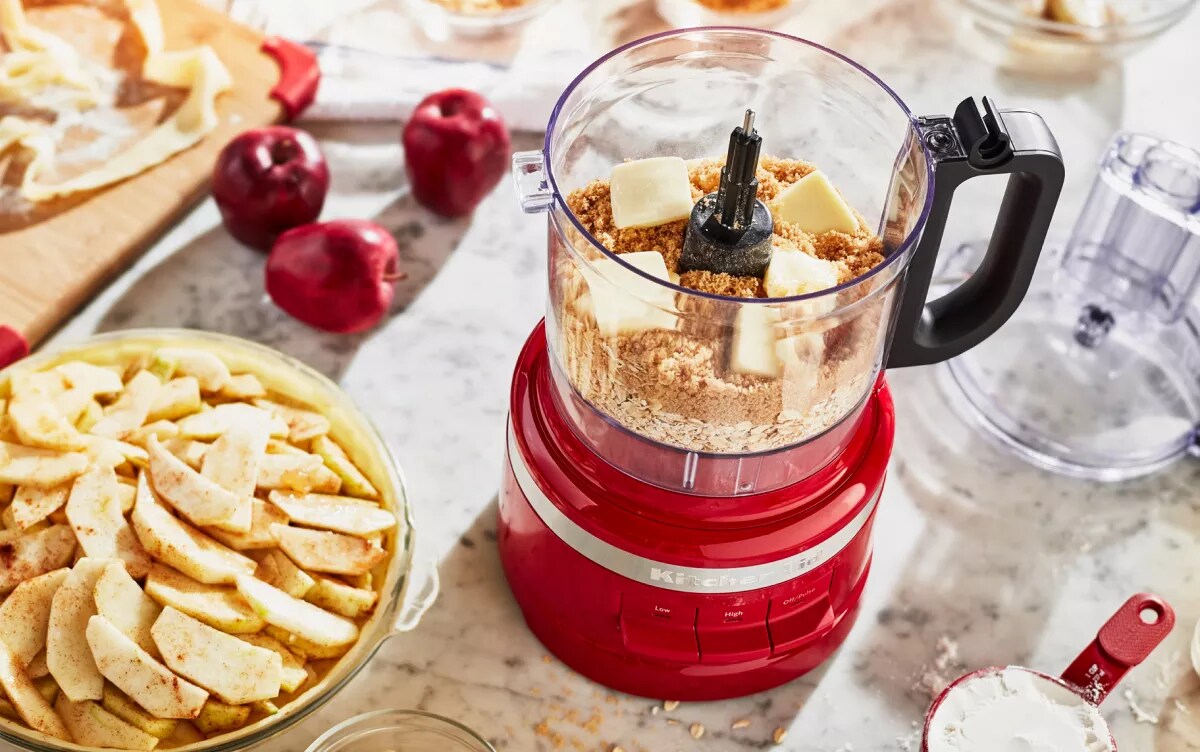
Whipping up desserts can be quick and fun. Crush cookies or biscuits for crusts. Blend fruits with cream for smooth mousses. Make small batches of batter for pancakes or muffins. A mini processor saves time and keeps things simple.
Credit: www.kitchenaid.com
Frequently Asked Questions
What Can I Make With A Mini Food Processor?
A mini food processor is ideal for chopping, blending, and pureeing small portions. It works well for making sauces, dressings, dips, and baby food. It also handles nuts, herbs, and small veggie prep, saving time and effort in the kitchen.
How Do I Clean A Mini Food Processor Safely?
Always unplug before cleaning. Detach removable parts and wash them with warm, soapy water. Avoid immersing the motor base in water. Use a damp cloth to wipe the base. Proper cleaning prevents buildup and ensures the appliance lasts longer.
Can A Mini Food Processor Handle Tough Ingredients?
Mini food processors are best for soft to medium textures. They can chop nuts, herbs, and soft vegetables. However, very hard ingredients like whole ice cubes or hard cheeses may strain the motor. For tough tasks, consider a larger processor.
How Much Food Can A Mini Food Processor Process?
Most mini food processors have a capacity of 1 to 3 cups. They are designed for small batches and quick prep. Avoid overfilling to ensure even chopping and prevent motor strain. This size suits single servings or small family meals.
Conclusion
Mini food processors save time and effort in the kitchen. Use them to chop, blend, and mix ingredients easily. Clean your processor right after use to keep it working well. Always follow safety tips to avoid accidents. Start with simple recipes to build confidence.
Enjoy cooking with your mini food processor every day. Small steps lead to great cooking results. Keep practicing, and you will get better quickly. Cooking becomes fun and less stressful this way.