
Choosing the right meat slicer can change the way you prepare meals, saving you time and effort in the kitchen. You might be wondering whether a manual or electric meat slicer fits your needs best.
Each type has its own advantages, and understanding these can help you make a smart decision that suits your lifestyle and cooking habits. You’ll discover clear differences between manual and electric meat slicers, so you can pick the one that makes slicing easier, faster, and more enjoyable for you.
Keep reading to find out which slicer will become your new kitchen favorite.
Manual Meat Slicers
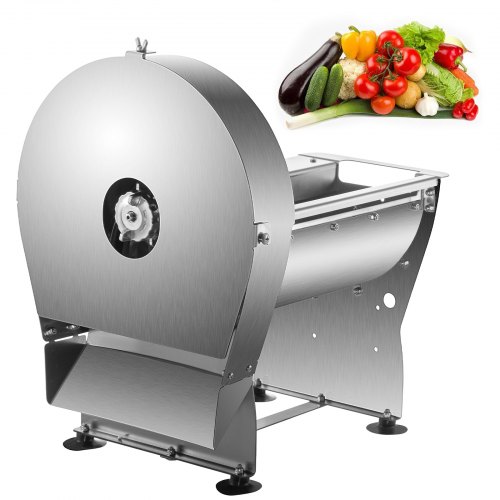
Manual meat slicers offer precise control and are easy to clean. They work well for small jobs but require more effort than electric models. Many prefer them for quiet, hands-on slicing without electricity.
Design And Operation
Manual meat slicers have a simple design with a sharp circular blade. The user moves the meat by hand against the blade. This allows control over slice thickness. No electricity is needed, making it easy to use anywhere.
Advantages
- Cost-effective:Manual slicers are usually cheaper.
- Portable:No power source needed, easy to carry.
- Quiet:No motor noise during slicing.
- Control:You decide slice thickness easily.
- Easy to clean:Fewer parts, simple to wash.
Limitations
- Effort:Requires physical strength to slice meat.
- Speed:Slower slicing compared to electric models.
- Consistency:Slices may vary in thickness.
- Size limit:Best for small to medium meat pieces.
Credit: www.vevor.com
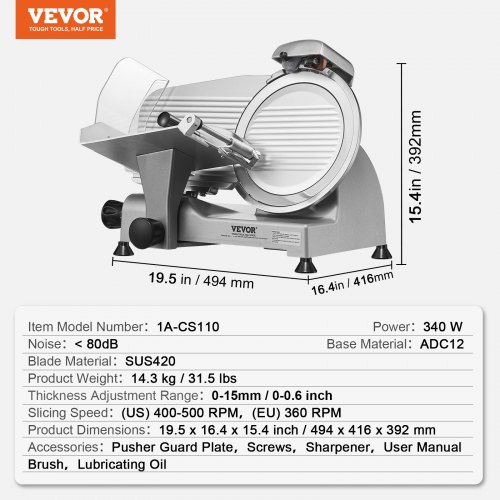
Electric Meat Slicers
Electric meat slicers save time and effort by cutting meat quickly and evenly. Manual slicers require more skill and physical work but offer better control. Choosing between them depends on your needs and how often you slice meat.
Design And Operation
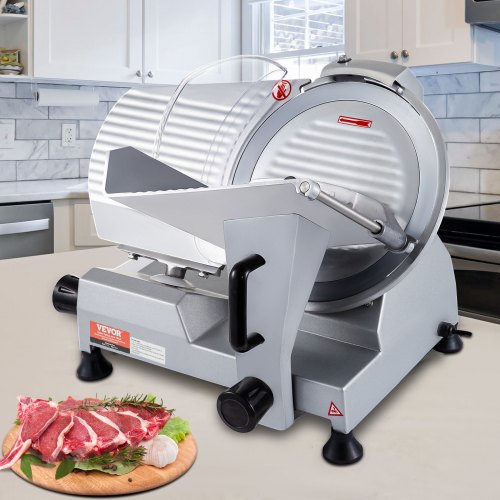
Electric meat slicers have a sleek design. They work with a simple switch. Blades are powered by an electric motor. This makes slicing easy and quick. Safety features include blade guards and non-slip feet. Easy for anyone to use.Advantages
- Fast slicing with little effort.
- Consistent slices every time.
- Adjustable thickness settings for different cuts.
- Safe with built-in safety features.
Limitations
- Needs electricity to work.
- Can be heavy and hard to move.
- More expensive than manual slicers.
- Requires regular cleaning to stay safe.
Performance Comparison
Electric meat slicersoperate much faster than manual ones. They slice meat quickly and save time. Manual slicers need more effort and are slower. Efficiency is higher with electric models, especially for large amounts.
Electric slicers provide precise and consistent slicesevery time. The blade speed helps keep thickness even. Manual slicers depend on user skill, so slices may vary. Consistency is easier to maintain with electric slicers.
- Manual slicersrequire physical strength and practice.
- Electric slicersare simpler to use with less effort.
- Electric models often have adjustable settings for slice thickness.
- Manual slicers offer more control but need patience.
Credit: www.vevor.com
Maintenance And Cleaning
Manual slicersneed careful cleaning after each use. Remove the blade carefully and wash it with warm, soapy water. Dry all parts well to stop rust. Wipe the frame and handle with a damp cloth. Avoid soaking the slicer to keep the metal safe. Oil the blade and moving parts regularly to keep them smooth.
Electric slicers require more attention for safety. Always unplug before cleaning. Remove the blade and wash it with warm, soapy water. Dry completely to avoid rust. Wipe the motor base with a damp cloth, but do not let water get inside. Check the blade for sharpness and replace if dull. Lubricate moving parts as per the manual.
Cost And Value
Manual meat slicersusually cost less to buy. They need no power, so no electricity bills. Their parts are simple and cheap to fix or replace.
Electric meat slicerscost more at first. They use electricity, which adds to running costs. But they save time and effort in busy kitchens.
| Type | Initial Cost | Long-term Cost |
|---|---|---|
| Manual | Low | Low (maintenance and no power) |
| Electric | High | Moderate to High (power use and repairs) |
Safety Considerations
Manual meat slicersneed careful handling to avoid cuts. Always keep your hands away from the blade. Use the handle to move the meat, never your fingers. Wear cut-resistant gloves for extra safety. Clean the blade only after unplugging the slicer. Store the slicer with the blade covered or locked.
Electric meat slicershave safety features like blade guards and automatic shut-off. Always unplug the slicer before cleaning. Keep the blade sharp to avoid slipping. Use the food pusher to hold meat steady. Never force the meat through the slicer; let the blade do the work.
Choosing The Right Slicer
Manual slicers are simple and quiet. They need more effort but give you full control over slice thickness. Electric slicers save time and work, cutting meat quickly and evenly. They are best for bigger jobs or frequent use.
For home use, manual slicers fit well. They take less space and cost less. Electric slicers suit homes with heavy use or large families. They need more room and money.
| Use | Manual Slicer | Electric Slicer |
|---|---|---|
| Home Use | Compact, affordable, requires effort | Faster, more expensive, needs space |
| Commercial Use | Not ideal for high volume | Perfect for large quantities, saves time |
| Budget | Lower cost | Higher cost |
| Space | Smaller footprint | Larger footprint |

Credit: www.amazon.com
Frequently Asked Questions
What Are The Key Differences Between Manual And Electric Meat Slicers?
Manual slicers require hand operation, offering control and precision. Electric slicers use motor power, providing speed and efficiency. Manual ones are quieter and portable, while electric slicers handle larger volumes faster, ideal for frequent use.
Which Meat Slicer Type Is Best For Home Use?
Manual meat slicers are best for home use due to their simplicity and affordability. They require less space and maintenance. Electric slicers suit heavy users or small businesses because they offer consistent, fast slicing with minimal effort.
Are Electric Meat Slicers Safer Than Manual Ones?
Electric meat slicers have safety features like blade guards and auto shut-off. Manual slicers rely on user skill to avoid accidents. Both require careful handling, but electric models offer more protection during continuous use.
How Do Maintenance Needs Differ Between Manual And Electric Slicers?
Manual slicers are easier to clean with fewer parts. Electric slicers need regular motor checks and blade sharpening. Both require blade cleaning after use to maintain hygiene and performance.
Conclusion
Choosing between manual and electric meat slicers depends on your needs. Manual slicers offer control and simplicity. Electric slicers save time and effort, slicing quickly. Both types can cut meat well when used correctly. Think about how often you slice and your budget.
Small kitchens may prefer manual slicers for space. Larger kitchens benefit from the speed of electric slicers. Either option can make meal prep easier. Select the one that fits your lifestyle best. This ensures you get the most from your slicer.