
Are you trying to decide between a manual slicer and an electric slicer for your kitchen? Choosing the right slicer can save you time, effort, and even improve the quality of your meals.
But which one truly delivers better efficiency? You’ll discover the key differences that affect speed, precision, and ease of use. By the end, you’ll know exactly which slicer fits your needs and helps you get the job done faster and smarter.
Keep reading to make the best choice for your slicing tasks.

Credit: www.yirenmachine.com
Manual Slicers Basics
Manual slicers have a simple design. They use a sharp blade and a hand crank or lever. You turn the crank or pull the lever to cut food.
These slicers work by applying manual force. The user controls the speed and thickness of each slice. They are easy to use and maintain.
Manual slicers are common in homes and small shops. They are best for slicing meat, cheese, and vegetables. Small tasks suit manual slicers well.
- Advantages:No electricity needed, easy to clean, and low cost.
- Limitations:Can be slow, requires effort, and less consistent slices.
Credit: www.vevor.ca
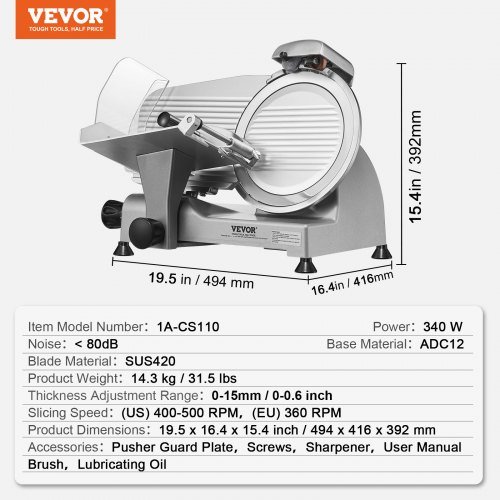
Electric Slicers Essentials
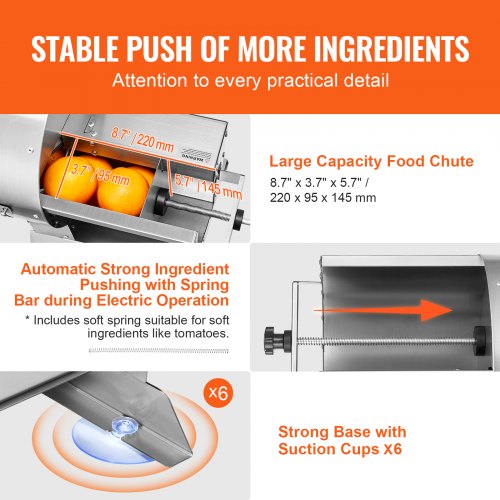
Electric slicers offer quick and consistent slices, saving time compared to manual slicers. While manual slicers require effort and skill, electric versions provide ease and efficiency. Perfect for kitchens seeking speed and precision.
Electric slicers use motors to slice food. This makes cutting fast and even. Users place food on the tray. Then, they adjust the thickness. The slicer does the rest. It moves the blade smoothly. This reduces effort and saves time. Safety features protect hands from the sharp blade.- Chef’s Choice 615A: Known for its powerful motor.
- Della 8.7”: Offers a sturdy design and adjustable thickness.
- Beswood 250: Features a quiet operation and durable build.
| Pros | Cons |
|---|---|
| Fast slicingfor large quantities. | Requires electricityto operate. |
| Offers consistentslice thickness. | Can be expensiveto purchase. |
| Reduces physical effort. | Needs regular cleaningand maintenance. |
Speed Comparison
Electric slicerscut food much faster than manual ones. They can slice many pieces in a minute, saving time. Manual slicers need more effort and are slower.
Consistencyis better with electric slicers. They keep slicing at the same speed without getting tired. Manual slicers may slow down as the user gets tired, causing uneven slices.
| Slicer Type | Average Slicing Rate | Consistency Over Time |
|---|---|---|
| Manual Slicer | 5-10 slices per minute | Decreases with user fatigue |
| Electric Slicer | 20-30 slices per minute | Steady and reliable |
Credit: www.vevor.ca
Precision And Thickness Control
Manual slicers rely on user skillfor precise thickness control. Adjusting the blade manually allows for custom slicing, but results can vary. It takes practice to get consistent slices.
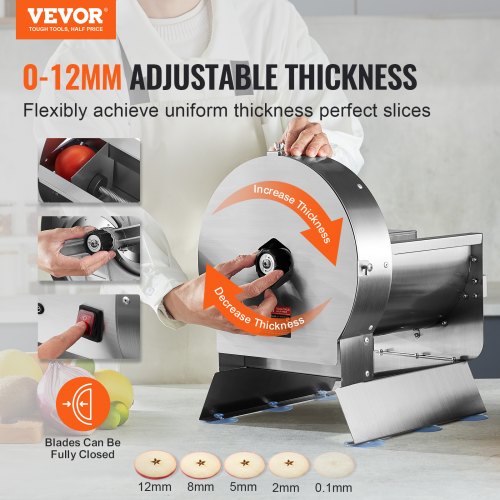
Electric slicers offer built-in precisionwith easy-to-use controls. Thickness settings can be adjusted with buttons or dialsfor uniform slices every time. This reduces the chance of human error.
| Feature | Manual Slicer | Electric Slicer |
|---|---|---|
| Thickness Control | Manual adjustment by user | Preset electronic settings |
| Precision | Varies with skill level | Consistent and accurate |
| Ease of Use | Requires more effort | Simple and fast |
Safety Factors
Manual slicershave a higher risk of injurybecause they require more hand force. The blade is exposed and needs careful handling. Cuts and slips can happen easily. Users must pay close attention during use.
Electric slicerscome with built-in safety featureslike blade guards and automatic shut-off. These features help prevent accidents by stopping the blade if hands get too close. The motorized system reduces manual effort, lowering the chance of slips.
| Safety Aspect | Manual Slicer | Electric Slicer |
|---|---|---|
| Risk of Injury | Higher due to exposed blade and manual force | Lower thanks to safety guards and sensors |
| Built-in Safety Features | Minimal or none | Blade guards, automatic shut-off, safety switches |
Maintenance And Durability
Manual slicers need simple cleaning. Most parts can be washed by hand. It takes a few minutes to clean. No special tools are required.
Electric slicers have more parts. Some parts are removable and dishwasher safe. But cleaning the motor and electrical parts needs care. It takes more time than manual slicers.
| Aspect | Manual Slicer | Electric Slicer |
|---|---|---|
| Longevity | Lasts longer with simple care | Durable but motor may wear out |
| Repairs | Easy and cheap to fix | Repairs can be costly and complex |
Cost And Value
Manual slicersusually cost less to buy. They have a simple design and no electric parts. Electric slicersare more expensive because of motors and extra features.
Operating costs differ too. Manual slicers need no electricity, so power bills stay low. They require little maintenance, just cleaning and blade sharpening.
Electric slicers use power, which adds to monthly costs. They might need repairs or part replacements over time. Regular cleaning is also important for safety and performance.
| Cost Type | Manual Slicer | Electric Slicer |
|---|---|---|
| Initial Investment | Low price, simple build | Higher price, complex parts |
| Operating Expenses | No electricity, low maintenance | Electricity needed, possible repairs |
Best Use Cases
Manual slicers suit small kitchens and occasional use, offering control and simplicity. Electric slicers excel in busy settings, delivering speed and consistent slices with less effort.
Home Kitchens
Manual slicersare great for small tasks. They are easy to cleanand need no electricity. Perfect for slicing fruits, vegetables, and cheeseat home. They save space and cost less. Electric slicerscan be bulky and costly for home use. But they work well if slicing large amountsregularly.
Commercial Settings
Electric slicershandle high volumeslicing fast and with less effort. They provide consistent slicesneeded in restaurants and delis. Manual slicers are slower and need more effort. They suit places with low to medium slicing needs. Electric slicers also improve work safetywith better guards and features.
User Experience And Feedback
Users often find electric slicers faster and less tiring than manual ones. Feedback shows electric models save time but may need careful cleaning. Manual slicers offer control but require more effort and skill.
Ease Of Use
Manual slicersare simple to operate. They require no power source. Users control slicing speed and thickness easily. Cleaning is quick and straightforward. They are lighter and easy to store.
Electric slicersneed power and more space. They work faster and slice evenly. Some models have safety features to protect fingers. Cleaning is a bit harder due to more parts.
Customer Reviews
| Slicer Type | Common Feedback | Popular Benefits | Common Issues |
|---|---|---|---|
| Manual Slicer | Easy to use and clean | Portable, no electricity needed | Requires more effort, slower slicing |
| Electric Slicer | Fast and consistent slicing | Less manual effort, adjustable thickness | Needs power, harder to clean |
Making The Right Choice
Choosing between a manual slicerand an electric slicerdepends on your kitchen needs.
A manual slicer suits small jobs and saves money. It needs more effort and time.
An electric slicer is faster and easier for large tasks. It costs more but saves time.
Think about how often and how much you slice. This helps decide what fits your budget and needs.
- Manual slicer: low cost, simple, needs effort
- Electric slicer: higher cost, fast, less effort
- Use frequency and task size guide your choice
Frequently Asked Questions
What Are The Main Efficiency Differences Between Manual And Electric Slicers?
Manual slicers require physical effort and are slower, while electric slicers operate faster with minimal effort. Electric slicers provide consistent thickness and save time, making them more efficient for large tasks. Manual slicers suit occasional use and small quantities due to their simplicity.
Which Slicer Type Is Better For Home Use?
Manual slicers are ideal for home use because they are affordable and easy to store. Electric slicers are better for frequent use or larger families, offering speed and uniform slices. Consider your slicing needs before choosing between manual and electric.
How Does Maintenance Differ Between Manual And Electric Slicers?
Manual slicers need simple cleaning and minimal upkeep. Electric slicers require regular cleaning, blade sharpening, and electrical safety checks. Maintenance for electric slicers is more involved but ensures optimal performance and longevity.
Are Electric Slicers More Cost-effective Than Manual Slicers?
Electric slicers have a higher upfront cost but save time and labor in the long run. Manual slicers are cheaper initially but may require more effort and time. Cost-effectiveness depends on your usage frequency and volume.
Conclusion
Choosing between a manual slicer and an electric slicer depends on your needs. Manual slicers offer control and simplicity. Electric slicers save time and effort. Both have pros and cons to consider. Think about how often you slice and what you slice.
Space and budget also matter. Either option can work well with proper use. The best slicer fits your kitchen and style. Keep these points in mind to decide smartly. Your choice will make slicing easier and safer.