
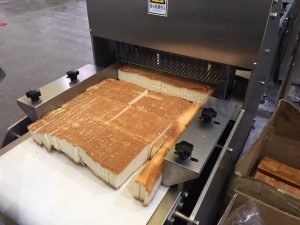
Are you thinking about getting a manual slicer but unsure if it’s the right choice for you? You want to make sure your money and effort pay off.
Manual slicers can be great tools in your kitchen, but they also come with some challenges. Understanding the pros and cons will help you decide if this tool fits your cooking style and needs. Keep reading to discover what a manual slicer can really do for you—and what it might struggle with.
This way, you’ll make a smart choice that makes your life easier, not harder.

Credit: thesecretrecipeblog.com
Benefits Of Manual Slicers
Manual slicersoffer excellent precision and control. Users can adjust the thickness of slices easily. This allows for consistent cuts every time. The hands-on approach gives more control over the slicing process.
They are cost-effective. Manual slicers usually cost less than electric ones. This makes them a good choice for those on a budget. No need to spend a lot for good slicing tools.
These slicers are portable and save space. They are often small and light, making them easy to move. Great for kitchens with limited space or for taking outdoors.
Low maintenanceis another plus. Manual slicers don’t have complex parts. Cleaning and upkeep are simple and quick. No need for special tools or skills.
Drawbacks Of Manual Slicers
Manual slicers need muscle power. Cutting vegetables can be tiring. Especially for long periods. Hands and arms get tired fast. This is hard for some people. Kids and older adults may struggle more.
Manual slicers are slow. Cutting big piles of food takes time. Electric slicers are faster. This can be a problem in busy kitchens. Time is precious when cooking for many people.
Getting the same slice every time is tough. Slicing by hand often makes uneven cuts. This affects the look of dishes. It can change cooking times too. Consistency is key for good cooking.
Manual slicers have sharp blades. Fingers can get cut if not careful. Safety is a big issue. Always use the hand guard. Be careful while slicing and keep kids away.
Choosing The Right Manual Slicer
Material and build qualityaffect slicer durability and safety. Stainless steel frames resist rust and last longer. Plastic parts make slicers lighter but less strong. Choose a slicer that feels solid and steady during use.
Blade types and sizessuit different slicing needs. Serrated blades cut bread well. Straight blades work best for meats and cheeses. Larger blades slice bigger items fast. Smaller blades offer more control for thin slices.
Adjustable featuresallow control over slice thickness. Some slicers have easy-to-use knobs or levers. Others may need manual adjustments. A slicer with smooth adjustments saves time and effort.
Brand reputation and reviewshelp find reliable models. Brands known for quality often provide better customer service. Reading user reviews reveals real experiences and potential issues. Choose brands with mostly positive feedback.

Credit: www.yirenmachine.com
Maintenance Tips For Manual Slicers
Cleaning manual slicers keeps them safe and sharp. Use warm soapy water and a soft cloth to wipe blades carefully. Avoid harsh chemicals that can damage the metal. Dry every part well to stop rust.
Sharpening blades makes slicing easier and safer. Use a sharpening stone or tool designed for slicers. Always follow the blade’s angle for best results. Sharpen regularly to keep the blade smooth and sharp.
Storing manual slicers properly protects their parts. Keep slicers in a dry place to avoid rust. Cover blades with a guard or cloth for safety. Store slicers away from moisture and dust.
Comparing Manual And Electric Slicers
Manual slicersare usually cheaper than electric ones. They need no power, so no electricity bills. Electric slicers cost more upfront and use energy. Manual slicers work well for small jobs or home use. Electric slicers cut faster and handle large amounts easily. They save time and effort in busy kitchens.
Manual slicers require more physical effort. Users control the speed and thickness by hand. Electric slicers offer consistent slices with less effort. They are better for people who slice often or in large volumes.
Manual slicers are simple to clean and maintain. Electric slicers have more parts and need careful cleaning. Manual slicers are quieter without motor noise.
Manual slicers suit homes or small kitchens. Electric slicers fit well in restaurants or big families. Choice depends on how often and how much you slice.

Credit: www.amazon.com
Frequently Asked Questions
What Are The Main Advantages Of Using A Manual Slicer?
Manual slicers offer precise control over slicing thickness. They are affordable, easy to clean, and don’t require electricity. These slicers are durable and ideal for small kitchens or occasional use, making them a practical choice for many home cooks.
Are Manual Slicers Suitable For All Types Of Food?
Yes, manual slicers work well with various foods like vegetables, fruits, and meats. However, very hard or frozen items may be challenging to slice. They are best suited for soft to medium-textured foods, ensuring smooth and uniform slices.
How Do Manual Slicers Compare To Electric Slicers?
Manual slicers are quieter, less expensive, and easier to maintain than electric models. They require more effort and time but offer greater control. Electric slicers are faster but bulkier and costlier, making manual ones a better option for light use.
What Safety Precautions Should I Take With A Manual Slicer?
Always use the food holder to protect your fingers. Keep blades sharp to reduce slipping risks. Work slowly and focus on your task to avoid accidents. Regularly check the slicer for damage or wear to ensure safe operation.
Conclusion
Manual slicers offer precise control and easy use. They save energy and work well for small tasks. Yet, they need physical effort and can be slow. Cleaning may take time, and they may not suit large jobs. Choosing the right slicer depends on your needs and kitchen space.
Think about how often and what you slice. Balance the pros and cons before buying. This helps you find the best tool for your kitchen tasks.