

If you use a slicer regularly, you know how important it is to keep it sharp and working smoothly. But did you know that without proper long-term maintenance, your slicer can lose its edge, become unsafe, or even break down?
This can cost you time, money, and frustration. You’ll discover simple yet effective ways to care for your slicer so it stays reliable and efficient for years to come. Keep reading to protect your investment and ensure your slicer always performs at its best.
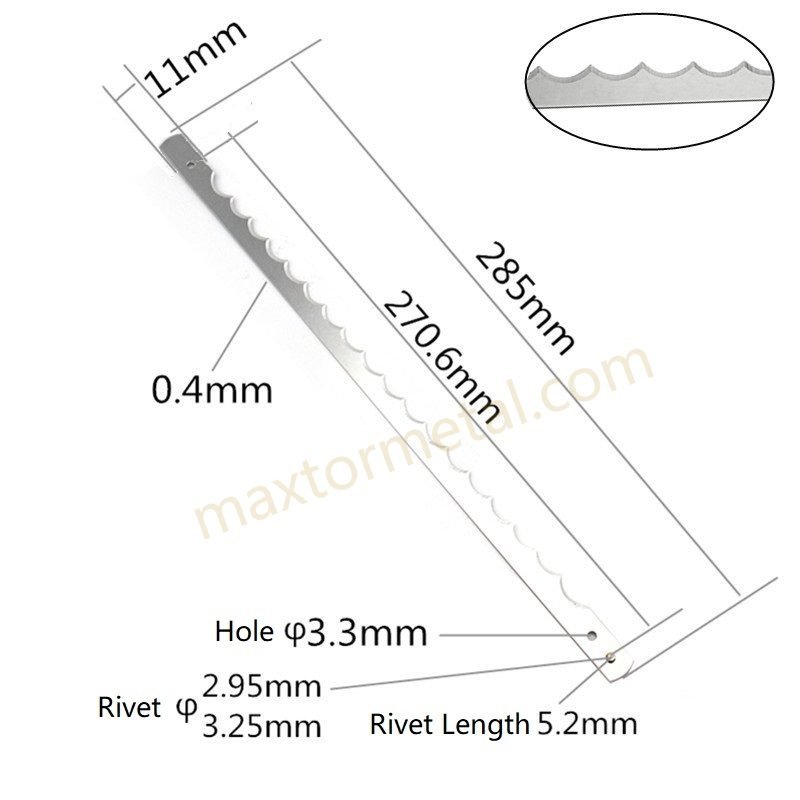
Credit: maxtormetal.com
Choosing Durable Slicers
Stainless steelis the best choice for slicer materials. It resists rust and stays sharp longer. Plastic parts should be high-quality and BPA-freeto avoid cracks. Aluminum can be light but may wear out faster. A slicer with removable partsmakes cleaning easier, preventing food build-up and damage.
Look for design featuresthat protect the slicer over time. Strong, sturdy handles reduce breakage. A slicer with a stable base keeps it from slipping during use. Some slicers have blade guardsto prevent dulling and accidents. Easy-to-clean designs help maintain hygiene and function.

Credit: www.petfoodprocessing.net
Regular Cleaning Techniques
Use a soft cloth to clean the slicer. Wet the cloth with warm water. Add a little mild soap. Wipe the blade gently. Avoid harsh scrubbers. They can damage the blade. Rinse the cloth with clean water. Wipe the slicer again. This removes soap. Dry the slicer with a towel. Make sure no water remains.
Avoid using strong chemicals. They can harm the slicer. Do not soak the slicer in water. This can cause rust. Always unplug the slicer before cleaning. This keeps you safe. Never touch the blade with bare hands. It can cut you. Use protective gloves if needed. Follow these steps to keep your slicer clean and safe.
Blade Care And Sharpening
Blades need sharpening when they stop cutting cleanly. Dull blades can tear or crush food instead of slicing it. Check the blade every few weeks if you use the slicer often. Signs include uneven slices or more effort needed while cutting. Sharpen before damage gets worse.
Use the right tools to keep blades sharp and safe. A sharpening stone or a handheld sharpener works well for most slicers. Some slicers have special tools made just for their blades. Always follow the tool instructions carefully to avoid injury.
- Sharpen blades on a clean, dry surface.
- Use gentle, even strokes with the sharpener.
- Hold the blade at the correct angle (usually 20 degrees).
- Clean the blade after sharpening to remove metal bits.
- Wear gloves to protect your hands during sharpening.

Credit: maxtormetal.com
Lubrication And Moving Parts
Use food-grade lubricantsfor slicer parts. These keep moving parts working smoothly. Avoid oils that attract dust or dirt.
Common choices include silicone sprayand light machine oil. They protect metal parts from rust.
Apply lubricant to blade shafts, gears, and sliding areas. Clean parts before applying to avoid buildup.
| Part | Recommended Lubricant | Frequency |
|---|---|---|
| Blade Shaft | Food-grade light machine oil | Weekly or after heavy use |
| Gears | Silicone spray | Monthly |
| Sliding Rails | Food-grade grease | Every two weeks |
Storage Tips For Slicers
Protecting slicers from moistureis key to keeping them sharp and rust-free. Always dry your slicer completely after cleaning. Avoid storing slicers in damp places like near sinks or dishwashers. Use a cloth or paper towel to wrap the blade to keep moisture away. A silica gel pack can help absorb moisture in storage areas.
Safe placement strategiesprevent accidents and damage. Store slicers in a designated drawer with blade guards or in a knife block. Keep slicers out of reach of children. Avoid stacking heavy items on top of slicers to protect the blade and handle. Proper placement extends the slicer’s life and keeps your kitchen safe.
Troubleshooting Common Issues
Blade misalignmentcan cause uneven slicing and damage. Check the blade’s position regularly. Use a screwdriver to gently adjust the blade until it sits straight. Clean the blade and surrounding parts to remove debris that may cause misalignment. Tighten screws firmly but avoid overtightening.
Motor problemsoften lead to slicers not working or making strange noises. Make sure the slicer is unplugged before inspecting. Check if the motor vents are clean and free from dust. If the motor overheats, let it cool down before use. Listen for unusual sounds that may indicate worn parts. Consult a technician if the motor does not start or stops frequently.
Professional Servicing Advice
Seek professional help if the slicer makes strange noises, cuts unevenly, or jams often. Routine checks can prevent costly repairsand keep the slicer working well. Do not ignore loose parts or dull blades. These issues need expert attention.
Choose a service provider with good reviewsand experience with slicers. Check if they offer warrantieson repairs. Ask about their response timeand cost estimates before hiring. Reliable service saves time and money.
Frequently Asked Questions
How Often Should I Clean Slicers For Long-term Maintenance?
Regular cleaning is essential for slicers. Clean after each use to prevent food buildup and bacteria. Deep clean weekly to maintain blade sharpness and machine efficiency. This routine extends slicer lifespan and ensures safe, hygienic operation.
What Are The Best Lubricants For Slicer Maintenance?
Use food-grade lubricants specifically designed for slicers. These lubricants prevent rust and reduce friction on moving parts. Avoid general oils as they may contaminate food. Proper lubrication keeps slicer components running smoothly and prolongs their life.
How Can I Sharpen Slicer Blades Safely?
Use a manufacturer-recommended sharpening stone or device. Always follow safety instructions to avoid injury. Regular sharpening maintains cutting precision and reduces strain on the motor. Dull blades can damage food and decrease slicer efficiency.
What Parts Require Regular Inspection On Slicers?
Inspect blades, guards, screws, and electrical components regularly. Look for wear, loose parts, or damage. Timely replacement or repair prevents accidents and maintains optimal slicer performance. Consistent checks reduce costly downtime and extend equipment life.
Conclusion
Regular care keeps slicers working well for a long time. Clean blades and check parts often to avoid problems. Sharpen blades carefully to maintain smooth cutting. Store slicers in a dry place to stop rust. Small fixes now save big troubles later.
Follow simple steps to keep slicers safe and sharp. This helps you save money and time. Good maintenance makes your slicer last and work better every day. Easy habits make a big difference.