

Are you torn between choosing a Kamado grill or a propane smoker for your next cookout? Both have their loyal fans and unique benefits, but which one truly fits your style and needs?
Whether you crave smoky flavors or want quick, easy grilling, understanding the key differences can save you time, money, and frustration. Keep reading to discover which option will bring the best results to your backyard—and make your meals unforgettable.
Kamado Grill Basics
Kamado grills are popular outdoor cooking tools. They use thick walls and a dome shape to cook food well.
People choose Kamado grills for grilling, smoking, and baking. They work differently than propane smokers.
Design And Materials
Kamado grills have a round, egg-like shape. This design helps heat move evenly inside the grill.
They are made from thick ceramic or clay. This material keeps heat and moisture inside.
Heat Retention And Control
Kamado grills keep heat for a long time. The thick walls stop heat from escaping quickly.
Users control temperature by adjusting vents. Opening vents more lets in air and raises heat.
- Lower vent controls airflow from below
- Top vent lets smoke and heat escape
- Adjust both vents to keep steady heat
Fuel Types Used
Kamado grills mainly use lump charcoal. This fuel burns clean and hot for a long time.
Some people add wood chips for extra smoke flavor. Propane smokers use gas, not charcoal or wood.
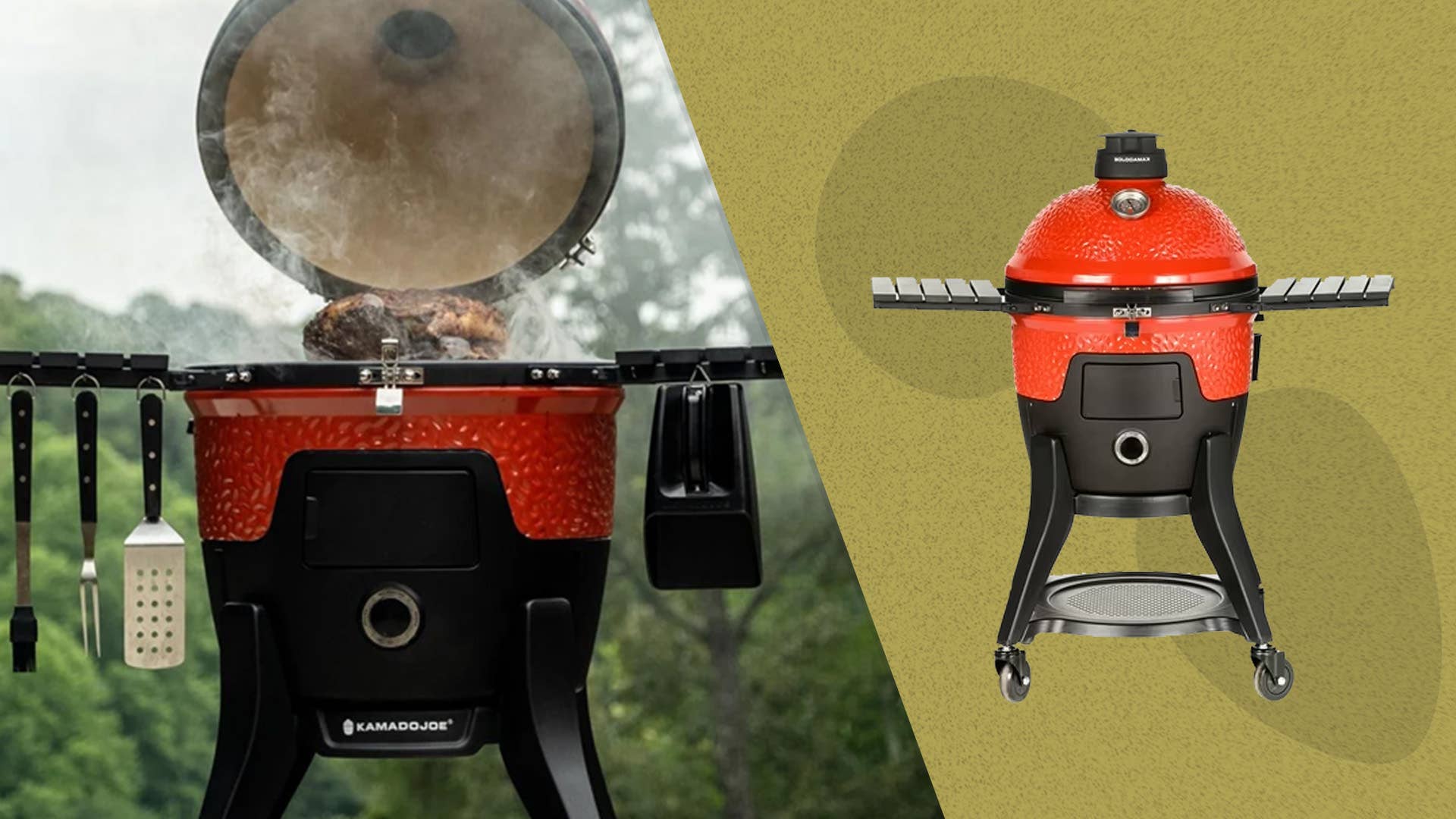
Credit: www.mensjournal.com
Propane Smoker Essentials
Propane smokers use gas to cook food slowly at low temperatures. They are easy to use and give consistent results. Understanding how they work helps you get the best flavor.
This guide covers how propane smokers operate, control temperature, and manage fuel use. Knowing these basics helps you enjoy smoking meat and other foods.
How It Works
A propane smoker has a gas burner that heats wood chips or pellets. The heat creates smoke that flavors the food. The smoker keeps the temperature low for slow cooking.
- Turn on the propane burner to start heating
- Add wood chips to produce smoke
- Place food inside the smoker chamber
- Close the door to trap heat and smoke
Temperature Management
Controlling the temperature is key to good smoking. Most propane smokers have adjustable burners and vents to keep heat steady.
| Temperature Control | Method |
| Gas Burner | Adjust flame size |
| Air Vents | Open or close to regulate airflow |
| Thermometer | Monitor internal temperature |
Fuel Efficiency
Propane smokers use fuel efficiently by burning gas cleanly and slowly. Proper use can save fuel and lower costs.
- Check for leaks before use to avoid wasted gas
- Keep the smoker door closed during cooking
- Set the burner to the right temperature, not higher
- Use wood chips sparingly for smoke flavor
Cooking Performance
Choosing between a Kamado grill and a propane smoker affects how your food cooks. Both offer unique benefits for outdoor cooking. Understanding their differences helps you decide which fits your style.
This section compares their cooking performance by flavor, versatility, and heat distribution.
Flavor Profiles
The Kamado grill uses ceramic walls to hold smoke and moisture. This creates rich, smoky flavors with a tender texture.
Propane smokers provide a cleaner smoke taste. They burn wood chips or pellets, offering mild smoke without intense charcoal notes.
- Kamado: Deep smoky flavor, retains moisture well
- Propane Smoker: Lighter smoke flavor, consistent taste
- Kamado: Works well for slow smoking and high-heat grilling
- Propane Smoker: Ideal for steady, low-heat smoking
Cooking Versatility
Kamado grills can grill, smoke, bake, and roast. Their design allows quick temperature changes and diverse cooking styles.
Propane smokers focus mainly on smoking foods at low, steady temperatures. They offer less flexibility for grilling or baking.
| Feature | Kamado Grill | Propane Smoker |
|---|---|---|
| Grilling | Excellent, high heat options | Limited or none |
| Smoking | Good, with charcoal smoke | Best, steady low heat |
| Baking | Possible, uses ceramic heat | Not typical |
| Roasting | Yes, versatile temperature control | Limited |
Heat Distribution
The Kamado grill’s thick ceramic walls keep heat even and steady. This helps prevent hot spots and keeps food cooking uniformly.
Propane smokers use gas burners and water pans to control heat. They offer consistent low heat but can have some temperature swings.
- Kamado: Use vents to adjust airflow and temperature.
- Propane Smoker: Monitor the water pan level for steady heat.
- Both: Use a good thermometer for accurate readings.
Ease Of Use
Choosing between a Kamado grill and a propane smoker depends on how easy they are to use. This guide looks at setup, temperature control, and portability. These factors affect your cooking experience and convenience.
Understanding these elements helps you pick the right smoker or grill for your needs. Both have unique features that suit different users.
Setup And Maintenance
Setting up a Kamado grill takes more time than a propane smoker. The Kamado uses charcoal, which requires lighting and arranging. Cleaning ashes afterward adds to maintenance.
Propane smokers are simpler. You connect a propane tank, turn on the gas, and light the burner. Cleaning is easier since there is no ash to remove.
- Kamado grill needs charcoal and ash cleaning
- Propane smoker uses gas and has simpler cleaning
- Kamado setup takes longer
- Propane smoker setup is quick
Temperature Adjustment
Temperature control on a Kamado grill is manual. You adjust air vents to raise or lower heat. This method requires some practice to keep steady temperatures.
Propane smokers have easy temperature settings. You turn a knob to choose the heat level. The built-in thermostat helps keep the temperature constant.
| Feature | Kamado Grill | Propane Smoker |
| Temperature Control | Air vents, manual adjustment | Knob and thermostat, easy control |
| Learning Curve | Higher, needs practice | Lower, beginner friendly |
| Temperature Stability | Can vary, depends on vent use | More stable, automatic thermostat |
Portability
Kamado grills are heavy and bulky. They are made of thick ceramic which makes them hard to move. They often need a strong stand or cart with wheels.
Propane smokers are lighter and easier to carry. Many models come with handles and wheels. You can move them to different spots or take them on trips more easily.
- Kamado grill: heavy, less portable
- Propane smoker: lighter, more portable
- Wheels and handles help move propane smokers
- Kamado may need extra support for moving
Cost And Value
Choosing between a Kamado grill and a propane smoker depends on cost and value. Both offer unique benefits for outdoor cooking.
Understanding the initial costs, running expenses, and lifespan helps you decide which fits your budget and needs.
Initial Investment
Kamado grills usually cost more upfront because of their ceramic design. They often come with advanced features.
Propane smokers tend to be cheaper to buy. They have simpler parts and use gas for heat.
- Kamado grills: higher price, premium build
- Propane smokers: lower price, simpler design
Operating Costs
Kamado grills use charcoal, which can cost less over time. Charcoal also gives a smoky flavor.
Propane smokers need propane tanks. Propane can be more expensive and needs regular refills.
- Kamado grills: charcoal costs, less frequent purchases
- Propane smokers: propane tanks, ongoing fuel cost
Longevity And Durability
Kamado grills last a long time due to thick ceramic. They resist rust and weather well.
Propane smokers have metal parts that may rust. They need more care to last many years.
- Kamado grills: durable ceramic, low maintenance
- Propane smokers: metal build, needs upkeep

Credit: www.woodcocks.us
Health And Safety
Choosing the right smoker affects your health and safety. Kamado grills and propane smokers have different risks and benefits. Knowing these helps you make safer decisions.
This guide looks at smoke emissions, safety features, and cleaning needs for both types of smokers.
Smoke Emissions
Smoke from cooking can affect air quality and health. Kamado grills burn charcoal or wood, creating natural smoke. Propane smokers use gas, producing fewer particles.
- Kamado grills release more organic compounds from burning wood.
- Propane smokers emit less smoke but still release carbon monoxide.
- Both need good ventilation to avoid harmful buildup.
Safety Features
| Feature | Kamado Grill | Propane Smoker |
| Fuel Type | Charcoal/Wood | Propane Gas |
| Temperature Control | Manual vents | Built-in regulators |
| Fire Risk | Higher due to open flame | Moderate, with gas leak risk |
| Safety Shutoff | None | Usually included |
| Stability | Heavy and stable | Lighter, may tip easily |
Propane smokers often have automatic shutoff systems. Kamado grills need careful handling to avoid burns or fires.
Cleaning Requirements
Cleaning keeps your smoker safe and healthy. Both types need regular care to remove ash, grease, and food residue.
- Kamado grills require ash removal after every use.
- Propane smokers need gas line checks and drip tray cleaning.
- Both benefit from deep cleaning every few months.
- Proper cleaning reduces flare-ups and harmful buildup.
Popular Brands And Models
Choosing the right grill or smoker can change how you cook outdoors. Many brands make good kamado grills and propane smokers. Each offers different features for your needs.
This guide shows popular brands and models for kamado grills and propane smokers. It helps you see what is available and what might suit you best.
Top Kamado Grills
Kamado grills are known for their ceramic build and heat retention. They cook food evenly and keep smoke flavor. Here are some top brands and models.
- Big Green Egg: One of the first and most popular kamado grills. Comes in many sizes from mini to extra large.
- Kamado Joe: Known for strong build and useful features like air lift hinges and divide & conquer grates.
- Primo Ceramic Grills: Offers oval-shaped kamados that give more cooking space and flexibility.
- Vision Grills: Provides affordable kamado-style grills with solid ceramic and steel options.
Leading Propane Smokers
Propane smokers use gas for heat and are easy to control. They heat up fast and are good for beginners. These brands lead the market.
- Masterbuilt Propane Smokers: Popular for electric and propane models. Known for ease of use and large cooking space.
- Char-Broil Vertical Propane Smoker: Offers vertical design to save space and cook many items at once.
- Cuisinart Vertical Propane Smoker: Compact size and good temperature control for small groups.
- Smoke Hollow Propane Smoker: Affordable with adjustable vents and racks for versatile smoking.
Choosing The Right Option
Picking between a Kamado grill and a propane smoker depends on your cooking habits. Each has unique features that suit different styles.
Understanding your needs helps you make the best choice for your outdoor cooking setup.
Cooking Style Preferences
Kamado grills use charcoal and ceramic to create high heat and retain moisture. They are great for grilling, smoking, and baking.
Propane smokers run on gas and maintain steady low temperatures. They are ideal if you prefer slow smoking with less fuss.
- Choose Kamado for versatile cooking and high heat searing.
- Choose propane smoker for consistent low and slow smoking.
- Kamado needs more skill and attention during cooking.
- Propane smoker offers easier temperature control and quick startup.
Space And Usage Needs
Kamado grills are usually heavier and bulkier. They need a stable, flat surface and more space for setup.
Propane smokers are often lighter and more portable. They fit well in smaller yards or patios.
| Feature | Kamado Grill | Propane Smoker |
| Weight | Heavy | Light to Medium |
| Portability | Low | High |
| Space Needed | More | Less |
| Setup Time | Longer | Shorter |
Budget Considerations
Kamado grills usually cost more upfront. They offer durability and versatility but need charcoal and accessories.
Propane smokers tend to be cheaper to buy. They use gas which can be cheaper and easier to find.
Compare costs to decide what fits your budget:
- Kamado grill price: higher initial cost, charcoal fuel cost.
- Propane smoker price: lower initial cost, gas fuel cost.
- Consider long-term fuel expenses and maintenance.

Credit: www.reddit.com
Frequently Asked Questions
What Is A Kamado Grill?
A Kamado grill is a versatile ceramic grill. It offers superior heat retention and can be used for grilling, smoking, and baking. Its unique design allows for precise temperature control, making it ideal for slow-cooked meats. Kamado grills are known for their durability and ability to produce juicy, flavorful dishes.
How Does A Propane Smoker Work?
A propane smoker uses propane gas to heat a wood chip tray. The heat produces smoke which cooks and flavors the food. It offers consistent temperature control, making it easy to smoke meat. Propane smokers are convenient, require less monitoring, and are ideal for beginners seeking smoky flavor.
Which Is Easier To Use, Kamado Or Propane Smoker?
A propane smoker is generally easier to use. It offers automatic temperature control and requires less attention. Kamado grills require more hands-on management to maintain temperature. However, both are user-friendly with practice. A beginner might prefer the simplicity of a propane smoker.
Can A Kamado Grill Replace A Propane Smoker?
Yes, a Kamado grill can replace a propane smoker. Its design allows it to function as both a grill and smoker. It offers precise temperature control for smoking meats. However, it requires more manual effort than a propane smoker, which is more automated.
Conclusion
Choosing between a Kamado grill and a propane smoker depends on your needs. Kamado grills offer versatility and great heat control. Propane smokers provide ease and quick startup. Both cook delicious food but differ in style and use. Think about what fits your cooking habits best.
Enjoy the process and tasty results, no matter which you pick. Happy grilling!