
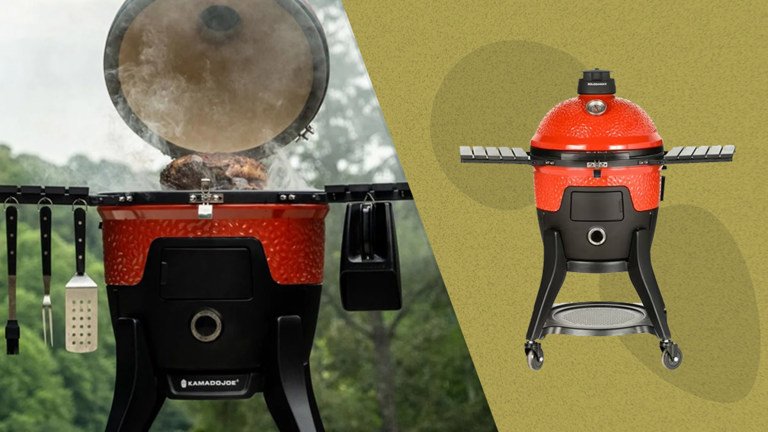
Choosing the right grill can make all the difference in your cooking experience and the flavors you create. You might be wondering whether a Kamado grill or a pellet grill is the better fit for your backyard.
Both have unique benefits, but which one matches your style and needs? By the end of this article, you’ll have a clear idea of how each grill works, what they excel at, and which one will help you become the grill master you want to be.
Keep reading to discover the perfect match for your next cookout.
Credit: bbqing.com
Kamado Grill Basics
Kamado grills are ceramic cookers that use charcoal. They have a long history and are known for cooking food evenly.
These grills work like ovens and smokers. They are good for grilling, smoking, and baking.
Design And Materials
Kamado grills have thick walls made from ceramic or clay. This design helps keep heat inside.
The ceramic material is strong and keeps the grill durable. It also helps with heat insulation.
- Oval or egg shape for even heat
- Thick ceramic walls for insulation
- Heavy lid to trap heat and smoke
Heat Retention And Control
Kamado grills hold heat well because of their thick ceramic walls. This keeps temperature steady.
You control heat by adjusting vents on the top and bottom. More air means hotter fire.
- Thick walls keep heat stable
- Adjustable vents control air flow
- Can cook at low or high temperatures
Fuel Types
Kamado grills use lump charcoal as fuel. It burns hotter and cleaner than briquettes.
Lump charcoal helps produce smoke flavor. It also lights quickly and burns evenly.
- Lump charcoal for natural flavor
- No need for electricity or pellets
- Charcoal adds smoky taste to food

Credit: www.yahoo.com
Pellet Grill Essentials
Pellet grills use wood pellets to cook food with smoke and heat. They combine convenience with a smoky flavor.
Understanding how pellet grills work, their temperature control, and fuel needs helps you get the best results.
How Pellet Grills Work
Pellet grills have a hopper that holds wood pellets. An auger feeds pellets into a fire pot. A fan blows air to keep the fire burning. A thermostat controls the temperature by adjusting pellet feed and airflow.
Temperature Precision
These grills keep temperature steady by using digital controllers. This makes cooking easier and more reliable. You can set the grill for low smoking or high searing.
- Digital controllers monitor heat levels
- Adjust pellet feed for exact temperatures
- Fans help spread heat evenly
- Thermostats keep temperature stable
Fuel And Maintenance
| Fuel Type | Maintenance Task | Frequency |
| Wood Pellets | Empty ash from fire pot | After every 10 hours of use |
| Wood Pellets | Clean hopper and auger | Monthly |
| Wood Pellets | Check and clean temperature probe | Every 3 months |
| Wood Pellets | Inspect fan and motor | Every 6 months |
Flavor Profiles
Kamado grills and pellet grills create different flavors in food. Each grill uses unique fuel sources that affect taste.
Understanding these flavor differences helps you choose the right grill for your cooking style.
Smoke And Taste Differences
Kamado grills use charcoal and wood for smoke. This creates a rich, smoky flavor with a hint of natural wood.
Pellet grills use compressed wood pellets. They offer a consistent smoke but with a lighter, sweeter taste than charcoal.
- Kamado gives deep, smoky flavors
- Pellet grills produce mild, sweet smoke
- Kamado heat is intense and direct
- Pellet grills provide steady, even heat
Wood Pellet Varieties
Pellet grills use different wood types to add flavor. Each wood gives a unique taste to the food.
Common wood pellets include:
- Hickory – strong and smoky
- Apple – mild and sweet
- Cherry – fruity and bright
- Mesquite – bold and earthy
- Pecan – rich and nutty
You can mix pellets to create custom flavors for your cooking.
Charcoal And Wood Impact
Kamado grills use lump charcoal or charcoal briquettes. Lump charcoal burns hotter and cleaner.
Adding wood chunks or chips to charcoal changes the smoke flavor. Wood adds aroma and complexity.
- Lump charcoal gives pure, strong heat
- Charcoal briquettes burn evenly but slower
- Wood chunks add smoky, natural flavors
- Different woods bring different taste notes
Cooking Versatility
Kamado grills and pellet grills both offer great ways to cook food outdoors. Each type has different strengths that affect how you cook.
Understanding how they work helps you pick the right grill for your cooking style.
Direct Vs Indirect Cooking
Kamado grills use thick ceramic walls to keep heat inside. You can cook directly over hot coals or use indirect heat by placing food away from coals.
Pellet grills use wood pellets and a fan to move heat and smoke. They mostly cook with indirect heat but some models have direct flame access.
- Kamado: Easy to switch between direct and indirect cooking
- Pellet: Mainly indirect, some allow direct grilling
- Direct cooking is good for searing and quick meals
- Indirect cooking suits slow cooking and smoking
Grilling, Smoking, And Baking
Kamado grills work well for grilling, smoking, and even baking. Their ceramic build keeps heat steady for hours.
Pellet grills are good at smoking and baking thanks to their steady temperature control. They also grill but with less direct flame.
- Kamado: Great for high heat grilling and low heat smoking
- Kamado: Can bake bread and pizza with consistent heat
- Pellet: Excellent for slow smoking and baking
- Pellet: Offers easy temperature control for long cooks
Temperature Range
Kamado grills can reach very high temperatures, often over 700°F. This makes them good for searing steaks.
Pellet grills usually cook between 180°F and 450°F. They keep steady low to medium heat for smoking and baking.
| Grill Type | Temperature Range | Best Uses |
|---|---|---|
| Kamado Grill | 200°F – 750°F+ | Searing, grilling, smoking, baking |
| Pellet Grill | 180°F – 450°F | Smoking, baking, low and slow cooking |
Ease Of Use
Choosing between a Kamado grill and a pellet grill depends on how easy they are to use. Both grills have different ways to start, cook, and clean.
This guide compares their ease of use in three key areas: startup and temperature setup, cleaning and maintenance, and automation features.
Startup And Temperature Setup
Kamado grills need charcoal and fire starters to light up. It takes some time to get the coals hot. Adjusting the air vents controls the temperature.
Pellet grills use wood pellets and have an electric ignition. You just press a button to start. The built-in digital controller sets and keeps the temperature steady.
- Kamado: Manual fire lighting, vent control for temperature
- Pellet: Electric ignition, digital temperature control
Cleaning And Maintenance
Kamado grills need ash removal after each use. The ceramic parts should be wiped down to keep them in good shape. Cleaning the grates is simple but takes time.
Pellet grills have an ash drawer for easy cleanup. The grease tray also needs regular emptying. You should clean the pellet hopper to avoid jams.
- Kamado: Remove ash, wipe ceramics, clean grates
- Pellet: Empty ash drawer, clean grease tray, check pellet hopper
Automation Features
Kamado grills do not have automation. You must watch and adjust the vents to keep temperature steady. This needs skill and attention.
Pellet grills have built-in automation. The digital controller monitors temperature and feeds pellets as needed. Some models connect to apps for remote control.
- Kamado: Manual temperature control, no automation
- Pellet: Automatic pellet feeding, digital control, app support

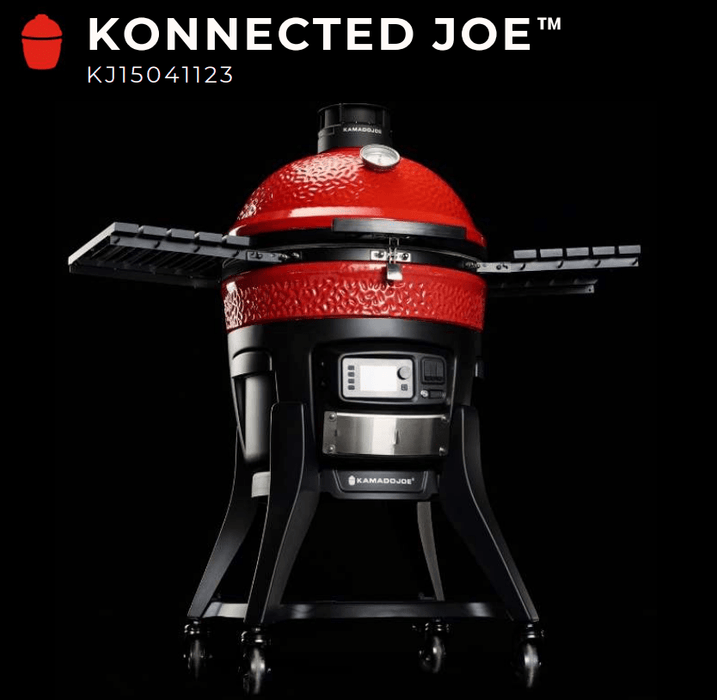
Credit: www.kamadojoe.com
Durability And Portability
Kamado grills and pellet grills are popular choices for outdoor cooking. Both have strong designs but differ in how durable and easy they are to move.
Understanding their build quality, weight, and weather resistance helps you pick the right grill for your needs.
Build Quality
Kamado grills are made from thick ceramic or clay. This material keeps heat well and lasts a long time. Pellet grills use metal, often steel, with some parts made from aluminum or cast iron.
Kamado grills resist cracking but can break if dropped. Pellet grills have sturdy metal bodies but may rust if not cared for.
- Kamado: Thick ceramic, heat-retaining, fragile if dropped
- Pellet: Steel body, durable, prone to rust
Weight And Mobility
Kamado grills are heavy because of their ceramic build. They often stay in one place. Pellet grills are lighter and usually have wheels for easy moving.
If you need a grill to carry or move around your yard, pellet grills work better. Kamado grills suit stationary setups.
- Kamado: Heavy, not easy to move
- Pellet: Lighter, usually has wheels
Weather Resistance
Kamado grills resist rain and wind well because of their thick walls. They can handle cold weather but may crack if frozen water gets inside.
Pellet grills need covers to protect them from rain. Their metal parts may rust if left outside without care.
- Kamado: Weather-resistant, fragile if frozen
- Pellet: Needs cover, metal can rust
Price And Value
Choosing between a Kamado grill and a pellet grill depends on your budget and what you want to get from your grill.
Both grills have different costs and benefits over time. Let’s look at the price and value of each.
Initial Investment
Kamado grills usually cost more at the start. They are made from ceramic and built to last.
Pellet grills tend to be less expensive upfront but may have more parts that can wear out.
- Kamado grills: $500 to $2000+
- Pellet grills: $400 to $1500+
Operating Costs
Kamado grills use lump charcoal, which can cost more but lasts longer per use.
Pellet grills use wood pellets, which may cost less but need constant refilling.
| Cost Type | Kamado Grill | Pellet Grill |
| Fuel | Lump Charcoal ($10-$20 per bag) | Wood Pellets ($15-$25 per bag) |
| Maintenance | Low | Moderate (electronics and auger) |
| Parts Replacement | Rare | Occasional (motors, sensors) |
Long-term Benefits
Kamado grills hold heat well and need less fuel over time.
Pellet grills offer convenience with automatic temperature control and less effort.
- Kamado grills last for decades with few repairs.
- Pellet grills give steady cooking but may need more fixes.
- Value depends on how much you cook and care for your grill.
Which Grill Suits You
Choosing between a Kamado grill and a pellet grill depends on your cooking needs. Both grills offer unique benefits for outdoor cooking.
Understanding their features helps you pick the right grill for your style and skill level.
Best For Beginners
Pellet grills are easier to use for beginners. They have digital controls that keep the temperature steady.
Kamado grills need more skill to manage heat and smoke. They require manual adjustments.
- Pellet grills offer simple temperature control
- Kamado grills need learning to adjust airflow
- Pellet grills cook food evenly with less effort
Ideal For Bbq Enthusiasts
Kamado grills suit BBQ lovers who enjoy hands-on cooking. They give great flavor from charcoal and wood.
Pellet grills are good for those who want consistent results with less time watching the grill.
- Kamado grills create rich smoky flavors
- Pellet grills maintain steady heat automatically
- Kamado lets you use different types of charcoal and wood
Choosing Based On Cooking Style
If you like low and slow BBQ, both grills work well. Kamado grills can hold heat longer.
Pellet grills are better for quick smoking and grilling with precise temperature control.
| Cooking Style | Kamado Grill | Pellet Grill |
|---|---|---|
| Low and Slow Smoking | Excellent heat retention | Good temperature control |
| Grilling Steaks and Burgers | High heat searing | Consistent heat, less flare-ups |
| Roasting and Baking | Even heat, versatile | Precise digital settings |
Frequently Asked Questions
What Are The Main Differences Between Kamado And Pellet Grills?
Kamado grills use charcoal for fuel, providing a smoky flavor. Pellet grills use wood pellets and offer precise temperature control. Kamado grills excel in heat retention, while pellet grills are known for convenience. Each offers unique cooking experiences, suitable for different culinary preferences.
Which Grill Is Easier To Maintain?
Pellet grills are generally easier to maintain due to their automated systems. They require regular cleaning of ash and pellet residue. Kamado grills need more manual effort to clean the charcoal and ash. Regular maintenance is crucial for both to ensure optimal performance.
Do Kamado Grills Offer Better Flavor Than Pellet Grills?
Kamado grills often provide a more authentic smoky flavor due to charcoal use. Pellet grills offer a consistent, subtle wood smoke flavor. The choice depends on personal preference. Both can deliver delicious results, but Kamado grills are favored for intense smokiness.
Can Both Grills Be Used For Smoking?
Yes, both Kamado and Pellet grills can be used for smoking. Kamado grills excel in long, slow cooking, ideal for smoking. Pellet grills offer precise temperature control, making smoking easier for beginners. Both grills can produce excellent smoked dishes.
Conclusion
Choosing between a Kamado grill and a pellet grill depends on your cooking style. Kamado grills offer great heat control and a smoky flavor. Pellet grills provide convenience with easy temperature settings and steady heat. Both grills deliver tasty results for outdoor cooking.
Think about what matters most: flavor, ease, or temperature control. Either way, you can enjoy delicious grilled meals. Pick the grill that fits your needs and start cooking outside today. Simple, fun, and full of flavor.