
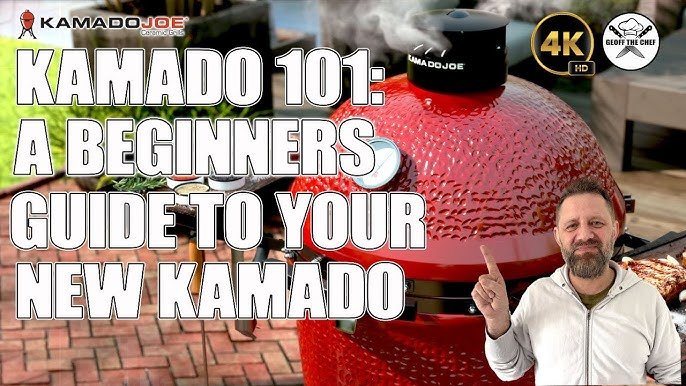
If you love cooking on your Kamado grill, you know how important accurate temperature control is. But what if your grill’s thermometer isn’t showing the right temperature?
This can lead to undercooked meals or burnt food, ruining your hard work. You need your thermometer to be spot-on to get perfect results every time. You’ll learn simple and effective ways to calibrate your Kamado grill thermometer. By the end, you’ll have the confidence to grill like a pro, knowing your temperature readings are reliable.
Keep reading to unlock the secret to flawless grilling!

Credit: www.amazon.ca
Why Calibrate Your Kamado Thermometer
Calibrating your Kamado grill thermometer ensures accurate temperature readings. Accurate readings help you cook food properly.
Without calibration, the thermometer may show wrong temperatures. This can lead to undercooked or burnt food.
Impact On Cooking Results
Incorrect temperature readings affect cooking time and food texture. You may cook food too long or too short.
Proper calibration helps you reach the right temperature. This keeps food juicy, tender, and safe to eat.
- Food cooks evenly
- Meat stays juicy and tender
- Better control over smoking and grilling
- Reduces risk of foodborne illness
Common Calibration Issues
Many Kamado thermometers have small errors from the factory. This causes temperature differences during cooking.
Other problems include placing the thermometer in the wrong spot or damage from heat and moisture.
- Thermometer placed too close to fire or vents
- Damage from high heat or weather exposure
- Thermometer sensor not properly sealed
- Ignoring regular checks and recalibration
Types Of Kamado Thermometers
Kamado grills need accurate temperature readings to cook food well. Choosing the right thermometer helps keep the grill at the right heat.
There are different types of thermometers made for Kamado grills. Each one works in a special way to show the temperature.
Analog Thermometers
Analog thermometers have a dial and needle that points to the temperature. They are built into many Kamado lids.
They do not need batteries and are simple to use. But they can be less precise than digital types.
Digital Thermometers
Digital thermometers show the temperature on a screen. They often have a probe to measure inside the grill.
- Easy to read numbers
- Can show exact temperatures
- Usually need batteries
- Some models have timers or alarms
Wireless Thermometers
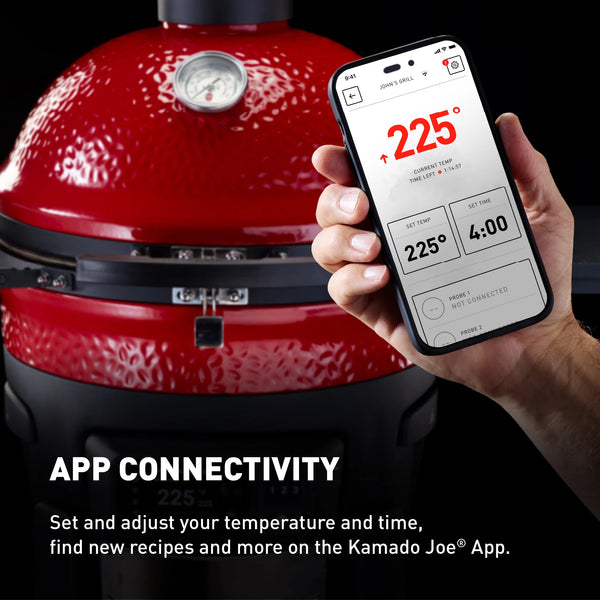
Wireless thermometers send temperature data to a phone or remote device. They let you watch the grill from a distance.
| Feature | Benefit |
| Remote monitoring | Check temperature without being near the grill |
| Multiple probes | Track meat and grill temperature at once |
| Alerts | Get notified when food is ready or heat changes |
| Battery powered | Needs charging or batteries to work |
Tools Needed For Calibration
Calibrating your Kamado grill thermometer helps you cook food at the right temperature. You need some simple tools to check and adjust your thermometer.
Different methods use different supplies. Each method helps you test if the thermometer shows the correct temperature.
Ice Water Method Supplies
The ice water method checks if your thermometer reads 32°F (0°C). You need cold ice water that stays near freezing point.
- Crushed ice or ice cubes
- Clean water
- A tall glass or cup
- Your Kamado grill thermometer
- A spoon or stirrer
Boiling Water Method Supplies
This method tests if your thermometer reads 212°F (100°C) at sea level. You use boiling water to check the high temperature.
- Pot or kettle to boil water
- Clean water
- Heat-resistant container or cup
- Your Kamado grill thermometer
- Tongs or heat-safe gloves
Other Calibration Tools
You can use extra tools to improve calibration accuracy. These help you compare and adjust your thermometer better.
- A digital or instant-read thermometer for comparison
- Thermometer calibration nut or tool (if your thermometer has one)
- Timer or stopwatch to measure temperature changes
- Notebook and pen to record results

Credit: www.amazon.ca
Step-by-step Calibration Process
Calibrating your Kamado grill thermometer ensures accurate temperature readings. This helps you cook food perfectly every time.
The process uses simple tools like ice water and boiling water. Follow the steps below to adjust your thermometer correctly.
Calibrating With Ice Water
Fill a glass with crushed ice and add cold water to fill the gaps. Stir the mixture well to reach 32°F (0°C).
Insert the thermometer probe into the ice water. Make sure the probe does not touch the glass sides or bottom.
- Wait 1-2 minutes for the reading to stabilize
- The thermometer should read 32°F or 0°C
- Note any difference from the actual temperature
Calibrating With Boiling Water
Boil clean water in a pot. The boiling point is 212°F (100°C) at sea level.
Insert the thermometer probe into the boiling water. Avoid touching the pot’s sides or bottom.
- Wait 1-2 minutes for a steady reading
- Thermometer should show 212°F or 100°C
- Record any difference from the boiling temperature
Adjusting The Thermometer
Use the differences from ice water and boiling water tests to adjust your thermometer. This fixes any error in readings.
Some Kamado grill thermometers have a calibration nut or screw on the back. Turn it gently to correct the temperature.
- If reading is low, turn the adjustment to increase the temperature
- If reading is high, turn the adjustment to decrease the temperature
- Repeat tests until readings match ice and boiling points
Common Calibration Mistakes
Calibrating your Kamado grill thermometer is important for accurate cooking. Many people make simple mistakes that affect the results.
Knowing what to avoid helps keep your thermometer reliable and your food cooked just right.
Ignoring Environmental Factors
Temperature readings can change based on weather and location. Wind, humidity, and altitude all affect calibration.
Not adjusting for these factors may cause wrong temperature readings on your grill.
- Wind cools the thermometer and lowers readings
- High humidity can change heat transfer
- Altitude affects boiling point and temperature
Rushing The Process
Calibration needs time to stabilize. Checking the thermometer too soon gives false results.
Wait for the temperature to settle before making adjustments. Patience ensures better accuracy.
- Wait at least 5 minutes for stable readings
- Do not move the thermometer during calibration
- Repeat checks if readings seem off
Not Rechecking Calibration
Thermometers can drift over time. Skipping regular rechecks leads to inaccurate cooking temperatures.
Check your thermometer calibration often to keep it accurate and reliable.
- Recheck calibration before long cooking sessions
- Test thermometer after heavy use or drops
- Use ice water or boiling water methods to verify
Maintaining Accurate Temperature Readings
Keeping the temperature readings correct on your Kamado grill is very important. Accurate readings help you cook food evenly and safely.
Regular checks and care of your grill thermometer keep it working well. This guide explains how to do that.
Regular Calibration Schedule
Check your Kamado grill thermometer often to keep it accurate. Set a schedule to test it every few months or after heavy use.
Regular calibration helps spot errors early. You can fix problems before they affect your cooking.
- Test thermometer before each grilling season
- Recalibrate after any damage or shock
- Check after replacing parts or cleaning
Proper Thermometer Placement
Place the thermometer correctly inside the Kamado grill. The right spot gives the best temperature reading.
Put the thermometer near the food but away from direct heat like flames. This shows the true cooking temperature.
- Insert probe into the grill dome or lid
- Avoid placing near vents or firebox
- Keep it away from direct flame or coals
- Test placement by comparing with other thermometers
Cleaning And Care Tips
Clean your thermometer regularly to keep it working well. Dirt and grease can affect its readings.
Handle the thermometer gently. Avoid dropping or banging it to prevent damage.
- Wipe the probe with a soft cloth after each use
- Use mild soap and warm water for cleaning
- Never immerse the entire thermometer in water
- Store in a safe place when not in use
Troubleshooting Thermometer Issues
Kamado grill thermometers help you cook food at the right temperature. Sometimes, they show wrong numbers or stop working. Fixing these problems keeps your grill working well.
Below are common thermometer issues and how to solve them. Follow these tips to get accurate readings and better cooking results.
Inconsistent Readings
Thermometers may jump between numbers or show different temperatures at the same spot. This can confuse you while cooking.
Check if the thermometer probe touches the grill grate or food properly. Also, clean the probe to remove dirt or grease. These steps help get steady readings.
- Make sure the probe is in the right place
- Clean the probe with warm, soapy water
- Avoid placing the probe near hot flames
- Let the thermometer adjust before reading
Thermometer Not Responding
Sometimes, the thermometer screen stays blank or does not change numbers. This means it is not working correctly.
Check if the batteries need to be replaced. Look for loose wires or connections inside the thermometer. If you use a wireless thermometer, check the signal and device pairing.
- Replace old or dead batteries
- Secure any loose wires
- Reset the device if possible
- Check wireless connection and range
When To Replace Your Thermometer
If your thermometer keeps giving wrong readings or does not respond after fixing problems, it may be time to get a new one.
Also replace it if the probe is bent, broken, or rusted. A damaged thermometer can ruin your cooking results.
- Continuous inaccurate readings
- Screen or display damage
- Broken or bent probe
- Corrosion or rust on parts
- Unable to fix connection or battery issues
Credit: www.kamadojoe.com
Tips For Perfect Bbq With Calibrated Thermometers
Using a calibrated thermometer helps you cook food evenly and safely. It keeps your Kamado grill at the right temperature for great results.
Knowing how to monitor zones, adjust airflow, and use probes will improve your BBQ every time. These tips make cooking easier and tastier.
Monitoring Cooking Zones
Kamado grills have hot and cool spots. A calibrated thermometer lets you check these zones easily. This way, you can place food where it cooks best.
Use the thermometer to find the best spots for grilling, smoking, or slow cooking. Rotate food if needed to avoid burning or undercooking.
- Place thermometer probes in different grill areas
- Check temperatures often for even cooking
- Move food between zones to control doneness
Adjusting Airflow For Temperature Control
Airflow controls your grill’s heat. Calibrated thermometers show when to open or close vents. This helps keep the temperature steady.
Small vent changes can raise or lower heat quickly. Watch the thermometer and adjust airflow slowly. This avoids big temperature swings.
- Open vents more to increase temperature
- Close vents to lower temperature
- Use thermometer readings to guide adjustments
Using Probes For Meat Temperature
Probe thermometers give exact meat temperatures. Calibrate them to ensure safe and perfect cooking. Insert probes into thickest parts of meat.
Monitor the meat temperature without opening the grill. This keeps heat inside and cooks food evenly. Remove meat when it reaches the right temperature.
- Calibrate probes before use for accuracy
- Insert probes in center of thick meat pieces
- Check temperature remotely if possible
- Remove meat at recommended safe temperatures
Frequently Asked Questions
How Do You Calibrate A Kamado Grill Thermometer?
To calibrate a Kamado grill thermometer, first ensure it’s clean. Submerge the probe in ice water. It should read 32°F (0°C). If not, adjust the calibration nut until it does. Repeat the process with boiling water, ensuring it reads 212°F (100°C).
Consistent readings ensure accurate temperature monitoring.
Why Is Thermometer Calibration Important For Kamado Grills?
Calibration ensures accurate temperature readings, crucial for precise cooking. An incorrect thermometer can lead to undercooked or overcooked food. Regular calibration maintains grill performance, ensuring your dishes are perfectly cooked. It enhances the grilling experience and ensures food safety by maintaining the correct internal temperatures.
How Often Should You Calibrate Your Grill Thermometer?
Calibrate your grill thermometer every few months for accuracy. Frequent usage may require more regular checks. After any significant temperature fluctuations, recalibrate immediately. Regular calibration ensures reliable readings, enhancing cooking precision. Consistent checks prevent potential errors, guaranteeing well-cooked meals every time you grill.
Can I Use Any Thermometer For A Kamado Grill?
Not all thermometers are suitable for Kamado grills. Use a high-quality, heat-resistant thermometer designed for grills. These provide accurate readings under high temperatures. Proper thermometers withstand grill conditions, ensuring precise measurements. Always check compatibility to ensure optimal performance and cooking accuracy for your Kamado grill.
Conclusion
Calibrating your Kamado grill thermometer helps cook food perfectly every time. Accurate temperature readings avoid undercooking or burning meals. Simple steps keep your grill working well and safe. Check the thermometer regularly to maintain precision and taste. Enjoy better grilling results with a well-calibrated thermometer.
Cooking becomes easier and more fun too. Don’t forget: small fixes make a big difference. Keep your Kamado grill ready for great meals ahead.