
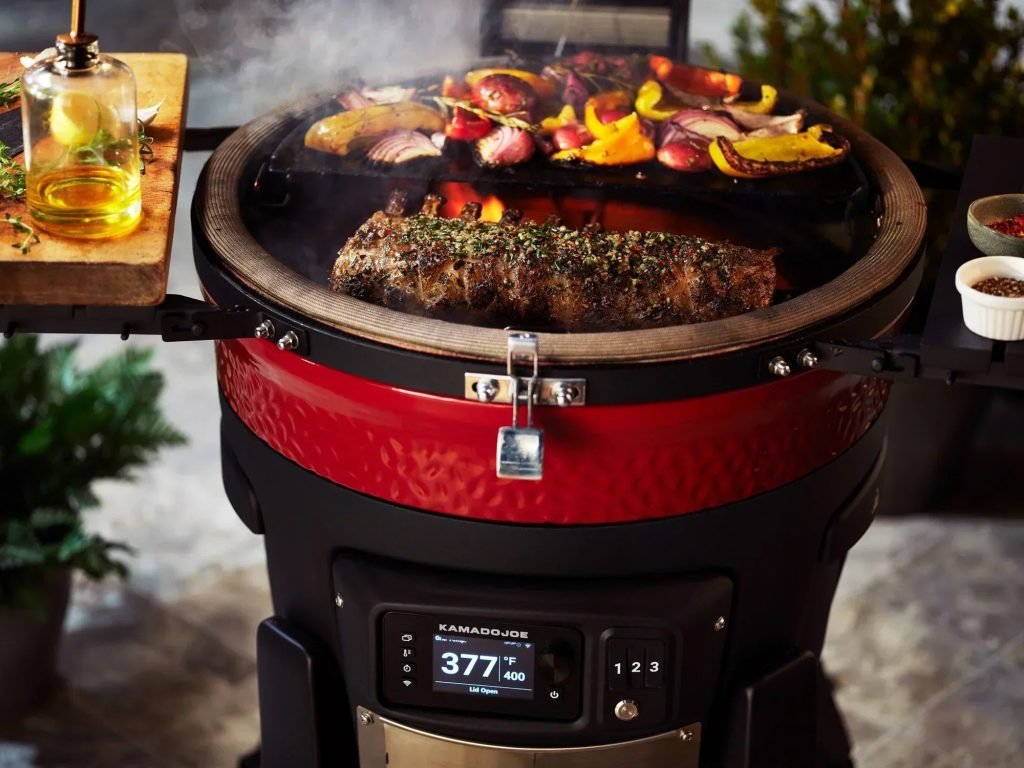
When you cook with a Kamado grill, controlling the temperature is your secret weapon. Knowing the right cooking temperatures can turn your meals from good to unforgettable.
Whether you’re grilling, smoking, or baking, mastering these heat levels will give you juicy steaks, tender ribs, and perfectly cooked veggies every time. Ready to unlock the full potential of your Kamado grill? Keep reading, and you’ll learn exactly how to manage your grill’s temperatures like a pro.
.jpg)
Credit: www.bbqspitrotisseries.com.au
Kamado Grill Basics
Kamado grills are popular for their unique shape and cooking style. They use ceramic to cook food evenly. This makes them great for grilling, smoking, and baking.
Understanding the design and features helps you use the grill better. This guide covers key points about Kamado grills.
Design And Materials
Kamado grills have a thick ceramic body. This material holds heat well and resists cracking. The dome shape helps heat circulate inside the grill.
- Thick ceramic walls for heat retention
- Metal bands or hinges to secure the lid
- Air vents for controlling temperature
- Cooking grates made of stainless steel or cast iron
Heat Retention Features
Kamado grills keep heat steady for long cooking times. The ceramic traps heat and moisture inside. This helps cook food evenly and keeps it juicy.
| Feature | Purpose |
|---|---|
| Thick Ceramic Walls | Stores heat and keeps temperature stable |
| Adjustable Air Vents | Controls airflow and temperature |
| Tight Lid Seal | Prevents heat and smoke from escaping |
Common Kamado Sizes
Kamado grills come in different sizes. Size affects cooking space and fuel use. Choose a size based on how many people you cook for.
- Small (12-13 inches): Fits 2 to 4 people
- Medium (18 inches): Good for 4 to 6 people
- Large (21+ inches): Best for 6 or more people
Temperature Zones
Kamado grills offer versatile cooking by controlling heat zones. Different foods cook best at different temperatures.
Understanding the temperature zones helps you prepare meals perfectly every time. Let’s explore the low, medium, and high heat ranges.
Low Heat Range
The low heat range is between 200°F and 300°F. It is ideal for slow cooking and smoking meats.
- Slow-cooked ribs
- Smoked brisket
- Roasting vegetables
- Keeping food warm
Medium Heat Range
Medium heat ranges from 300°F to 450°F. Use this zone for grilling and baking.
| Temperature (°F) | Food Types |
| 300-350 | Chicken, fish, vegetables |
| 350-450 | Burgers, steaks, pizzas |
High Heat Range
High heat is above 450°F. This zone is perfect for searing and fast cooking.
Common uses include:
- Steak searing
- Quick-cooking vegetables
- Flatbreads and tortillas
Controlling Heat
Controlling heat is key to cooking well with a Kamado grill. The grill uses charcoal and vents to manage temperature.
Knowing how to control heat helps you cook food evenly and avoid burning.
Adjusting Air Vents
Air vents control the flow of oxygen inside the grill. More oxygen means hotter fire and higher temperature.
Opening vents increases heat. Closing vents lowers heat. Small changes can make a big difference.
- Open top and bottom vents to raise temperature.
- Close vents partially to lower temperature.
- Watch temperature gauge to keep heat steady.
Using Charcoal Effectively
Charcoal is the main fuel for the Kamado grill. Quality and amount affect cooking temperature.
Use natural lump charcoal for better airflow and longer burn. Avoid too much charcoal to prevent high heat spikes.
- Start with a small pile of charcoal for low heat.
- Add more charcoal for longer cooking or high heat.
- Arrange charcoal evenly for consistent heat.
Managing Smoke Levels
Smoke adds flavor but too much can make food bitter. Control smoke by adjusting vents and charcoal.
Use dry wood chips or chunks for clean smoke. Avoid wet wood to reduce thick smoke and soot.
- Keep vents open enough for good airflow and smoke flow.
- Add small wood pieces to charcoal for mild smoke flavor.
- Limit wood to avoid overpowering smoke taste.
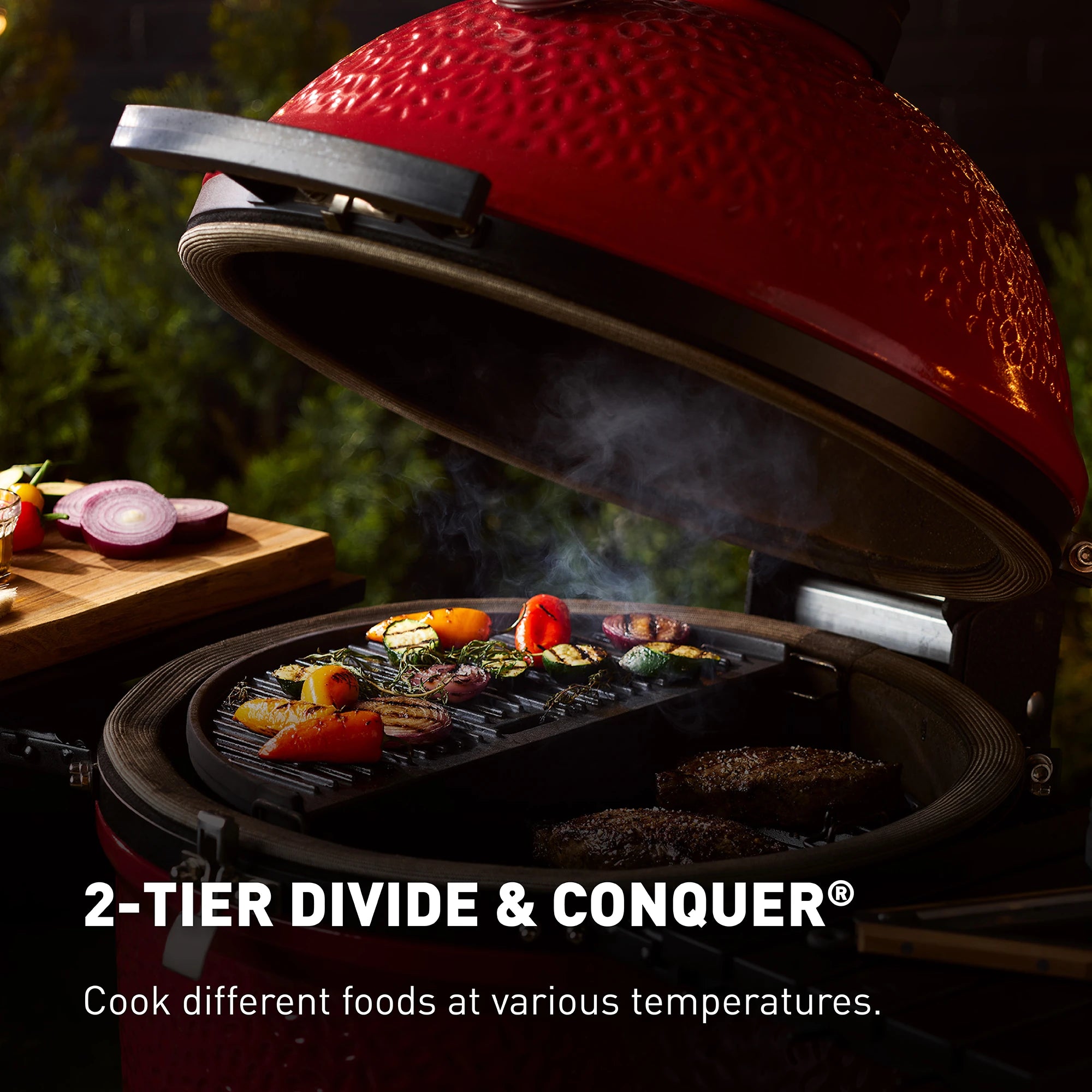
Credit: www.kamadojoe.com
Cooking Techniques By Temperature
Kamado grills offer precise control over cooking temperatures. You can cook food slowly or quickly depending on your needs. Understanding the right temperature helps you use the grill well.
This guide covers three main cooking techniques based on temperature. Learn how to smoke, grill, and sear with your kamado grill.
Smoking At Low Temperatures
Smoking uses low heat and smoke to cook food slowly. This method keeps meat juicy and adds flavor. Maintain temperatures between 200°F and 275°F for best results.
- Use wood chunks or chips for smoke
- Keep airflow steady for even heat
- Cook meats like brisket or ribs for hours
- Monitor temperature with a reliable thermometer
Grilling At Medium Temperatures
Grilling at medium heat cooks food faster but still gently. Keep your kamado grill between 300°F and 400°F. This temperature is perfect for burgers, chicken, and vegetables.
| Food Type | Ideal Temp (°F) | Cooking Time |
| Burgers | 350 | 10-15 minutes |
| Chicken Breasts | 375 | 20-25 minutes |
| Vegetables | 350 | 8-12 minutes |
Searing At High Temperatures
Searing cooks food quickly with very high heat. Set your kamado grill above 500°F to get a good crust. This method locks juices inside steaks and chops.
Tips for searing:
- Preheat grill until very hot
- Place meat directly on the grill grates
- Cook each side for 2-3 minutes
- Let meat rest before cutting
Temperature Tips For Different Foods
Cooking with a Kamado grill means controlling heat for each food type. Different foods need different temperatures to taste their best.
Knowing the right temperature helps you cook meat, vegetables, and baked goods perfectly on your Kamado.
Meat Cuts And Ideal Heat
Thick meat cuts need low and slow heat to stay juicy. Thin cuts cook well at higher heat for a short time. Use medium heat for poultry to avoid drying it out.
- Steaks: high heat (450°F – 600°F) for quick searing
- Brisket and ribs: low heat (225°F – 275°F) for slow cooking
- Chicken: medium heat (350°F – 400°F) for even cooking
- Pork chops: medium-high heat (375°F – 450°F) for a nice crust
Vegetables And Fruits
Vegetables cook best at medium heat to keep their texture. Fruits grill well at medium to low heat to avoid burning. Use indirect heat for delicate items.
- Peppers and onions: medium heat (350°F – 400°F)
- Asparagus and zucchini: medium heat (350°F)
- Fruits like pineapple and peaches: low to medium heat (300°F – 350°F)
- Tomatoes: indirect heat to prevent splitting
Baking With Kamado
Kamado grills work like ovens for baking bread and pizza. Keep steady heat and avoid big temperature swings. Use a baking stone for better results.
- Bread: 400°F – 450°F for crusty loaves
- Pizza: 500°F – 600°F for a crispy crust
- Cakes and cookies: 325°F – 350°F for even baking
Credit: www.schmidtyq.com
Monitoring And Tools
Keeping the right temperature is key to cooking with a Kamado grill. You need tools to check and control the heat.
This section covers built-in thermometers, digital thermometers, and tips to keep heat steady.
Built-in Thermometers
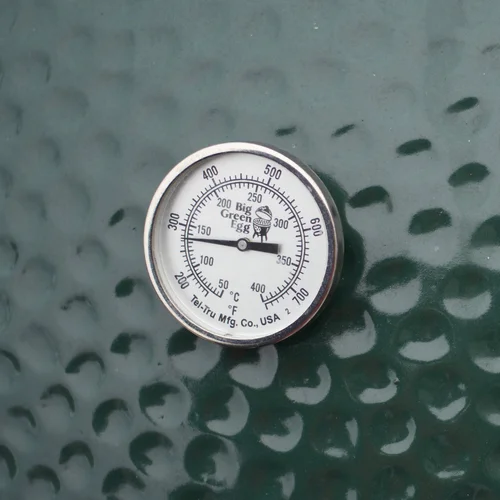
Most Kamado grills have built-in thermometers on the lid. They show the grill’s internal temperature.
These thermometers help you watch the heat without opening the grill. But they may not be very precise.
Digital Thermometer Use
Digital thermometers give accurate temperature readings. Use them to check the food and grill heat.
Place the probe in the thickest part of the meat or near the grill surface. This gives better cooking control.
- Instant-read digital thermometers work fast
- Probe thermometers stay in the meat while cooking
- Wireless thermometers allow remote monitoring
Maintaining Consistent Heat
Keeping the heat steady is important for good Kamado cooking results. Open the lid less to keep temperature stable.
Adjust the air vents slowly. Small changes keep the temperature steady and avoid big swings in heat.
- Start with fully open vents to heat the grill
- Close vents slightly to lower temperature
- Use charcoal quality to help keep heat stable
- Check the thermometer often to adjust vents
Common Temperature Mistakes
Cooking with a Kamado grill requires careful temperature control. Many beginners face problems due to common mistakes. These errors can ruin the taste and texture of your food.
Understanding these mistakes helps you cook better and avoid frustration. Below are key temperature issues and how they happen.
Overheating Issues
Overheating is a frequent problem on Kamado grills. High temperatures can burn food and damage the grill. Many users open the vents too much, causing heat to spike.
- Opening vents fully without need
- Using too much charcoal at once
- Not adjusting vents during cooking
- Ignoring temperature gauges
Undercooking Risks
Low temperatures can leave food unsafe or tough. Undercooking happens when vents are closed too much or charcoal is not enough. It also occurs if you do not wait for the grill to reach the right heat.
| Cause | Effect |
| Closed vents | Low heat, slow cooking |
| Insufficient charcoal | Grill cools quickly |
| Not preheating | Uneven cooking |
Vent Mismanagement
Vents control airflow and temperature. Mismanaging vents causes big changes in heat. Some users leave vents open or closed too long. This mistake affects cooking results.
Tips to manage vents well:
- Adjust vents slowly to control temperature
- Watch temperature gauge often
- Open vents more for higher heat
- Close vents partially to lower heat
- Use vents to maintain steady temperature
Seasonal Adjustments
Using a Kamado grill means adjusting for the weather outside. Temperature changes can affect cooking times and heat control.
Knowing how cold, hot, and humid weather changes grill behavior helps you cook better every season.
Cold Weather Tips
Cold air cools the grill faster. It takes longer to reach cooking temperatures. You need to use more fuel and keep the lid closed.
- Preheat grill for 20 to 30 minutes
- Use thicker charcoal for longer burn
- Keep vents mostly closed to hold heat
- Avoid opening the lid often
- Place grill in a sheltered spot away from wind
Hot Weather Considerations
High temperatures can make the grill run hotter than usual. You may need to open vents to lower heat and watch food closely.
| Condition | Action |
| Above 85°F (29°C) | Open vents wider |
| Direct sunlight | Move grill to shade |
| Windy days | Use windbreaks |
| Cooking delicate foods | Use indirect heat |
Humidity Effects
High humidity slows charcoal burning. It can lower grill temperature and affect cooking times. Dry days make heat more stable.
Tips to handle humidity:
- Store charcoal in dry place to avoid moisture
- Light charcoal with dry kindling or fire starters
- Keep grill lid closed to maintain temperature
- Use a thermometer to monitor heat closely
Frequently Asked Questions
What Is The Ideal Kamado Grill Temperature For Smoking?
The ideal smoking temperature for Kamado grills is between 225°F and 275°F. This low and slow heat enhances flavor and tenderness, perfect for ribs and brisket.
How To Control Temperature On A Kamado Grill?
Control temperature by adjusting the top and bottom vents. Opening vents increases airflow and heat; closing them reduces temperature. Use a thermometer to monitor accurately.
What Temperature Cooks Steak Best On A Kamado Grill?
For steak, a Kamado grill temperature of 450°F to 600°F is ideal. This high heat sears the steak, locking in juices and flavor quickly.
Can Kamado Grills Maintain Steady Temperatures For Hours?
Yes, Kamado grills maintain steady temperatures for hours due to their ceramic insulation. This makes them perfect for long cooks like smoking and slow roasting.
Conclusion
Controlling Kamado grill temperatures is key to great cooking. Keep the heat steady for best results. Low and slow works well for tender meats. High heat is perfect for quick searing. Check your grill’s thermometer often to stay on track.
Practice helps you learn how your grill behaves. Enjoy experimenting with different foods and temperature zones. With patience, your meals will taste better every time. Cooking with a Kamado grill can be simple and fun. Take your time and enjoy the process.