
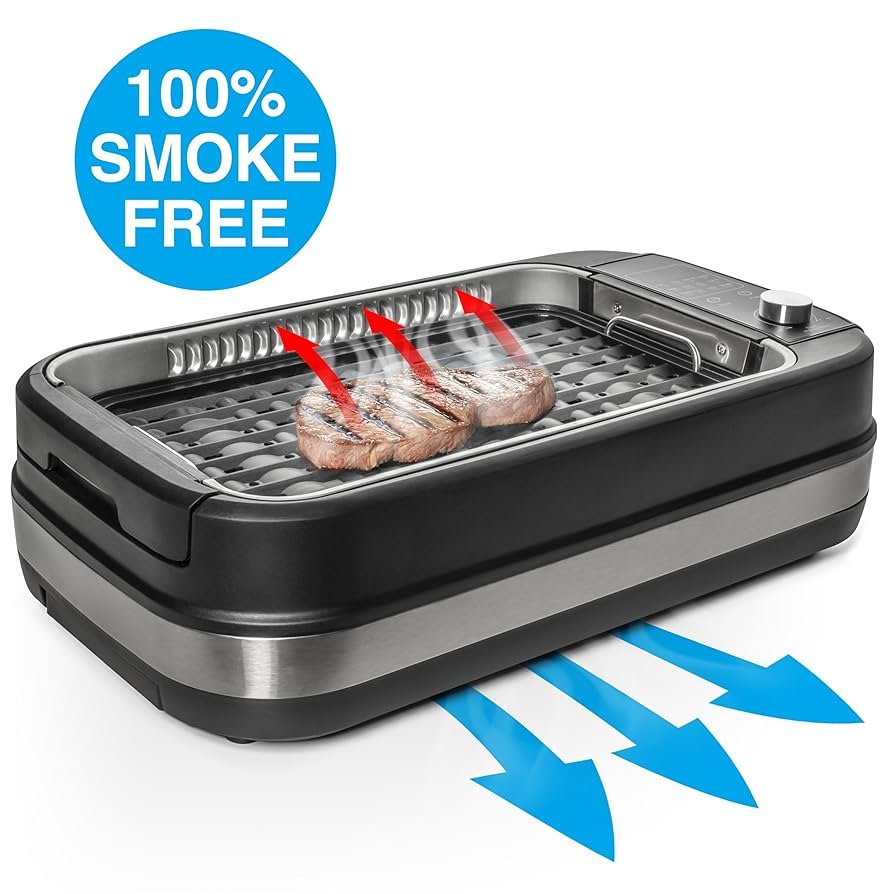
Are you tired of the smoke that fills your kitchen every time you grill indoors? You’ve probably heard about smokeless grills and wondered if they truly live up to their name.
Can you really enjoy juicy, grilled flavors without the hassle of smoke? This article will clear up the mystery and help you decide if a smokeless grill is the right choice for your home. Keep reading to discover the truth behind smokeless grills and how they can change your cooking experience.
Credit: www.walmart.ca
How Smokeless Grills Work
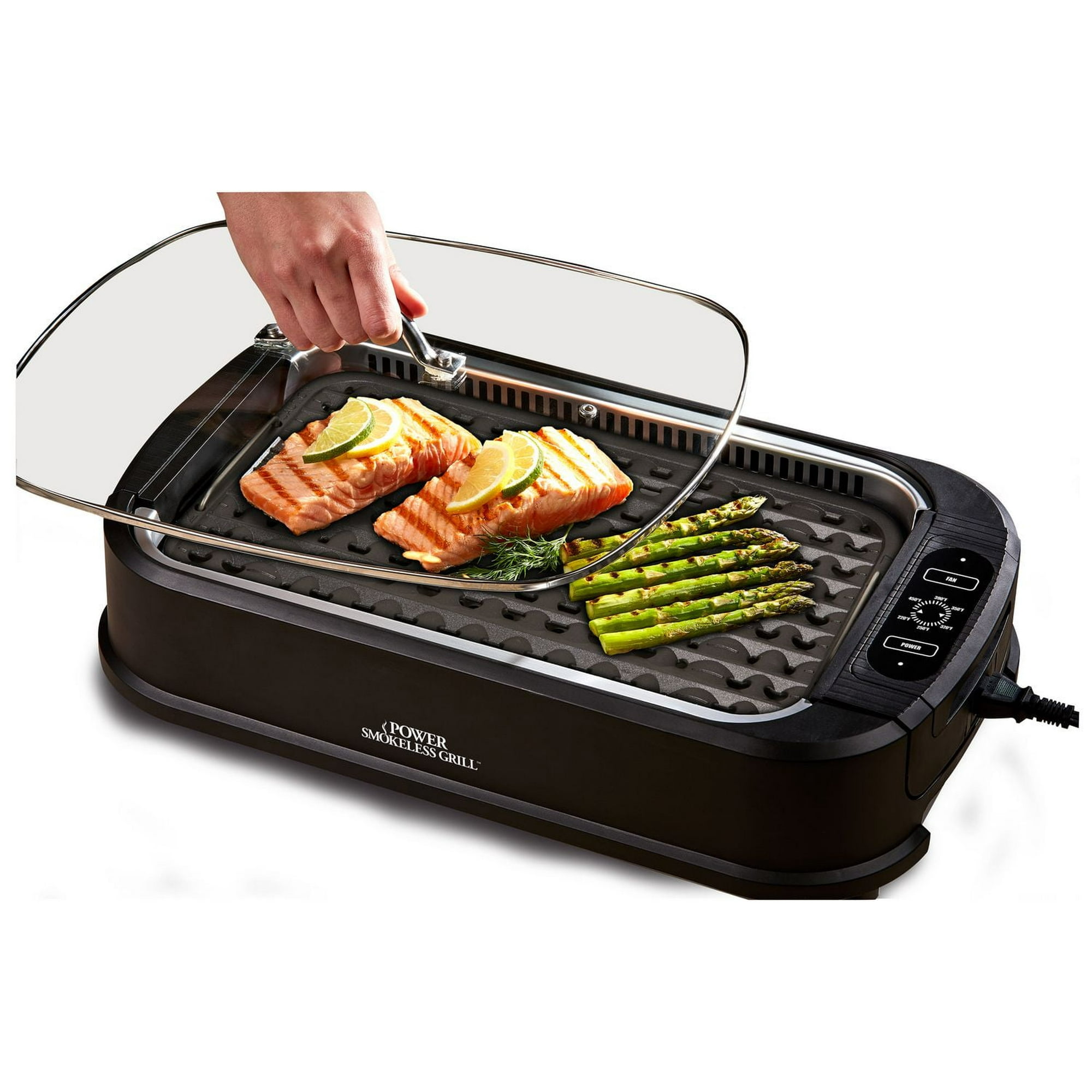
Smokeless grills are designed to cook food with less smoke than traditional grills. They use special features that reduce smoke during cooking.
Understanding how these grills work helps you decide if they fit your cooking needs and space.
Design And Technology
Smokeless grills have a unique design that limits smoke production. They use closed or semi-closed cooking areas to keep smoke inside.
- Non-stick surfaces reduce food sticking and burning.
- Built-in trays collect fat and juices to avoid flare-ups.
- Ventilation systems control air flow to reduce smoke.
- Electric heating elements keep temperature steady and clean.
Heat Sources Used
Most smokeless grills use electric or infrared heat sources. These heat sources create less smoke than charcoal or gas flames.
| Heat Source | How It Works | Smoke Level |
| Electric Coil | Heats food with electric resistance | Low |
| Infrared | Uses infrared light for direct heating | Very Low |
| Gas (Limited Use) | Burns gas with controlled flame | Moderate |
Smoke Reduction Mechanisms
Smokeless grills reduce smoke by controlling fat and temperature. They trap smoke and use filters or water trays.
Key smoke reduction features include:
- Fat drip trays to catch grease and prevent flare-ups
- Water pans that cool fat and stop smoke from forming
- Sealed cooking chambers to keep smoke inside the grill
- Activated carbon filters to absorb smoke particles

Credit: www.amazon.ca
Common Types Of Smokeless Grills
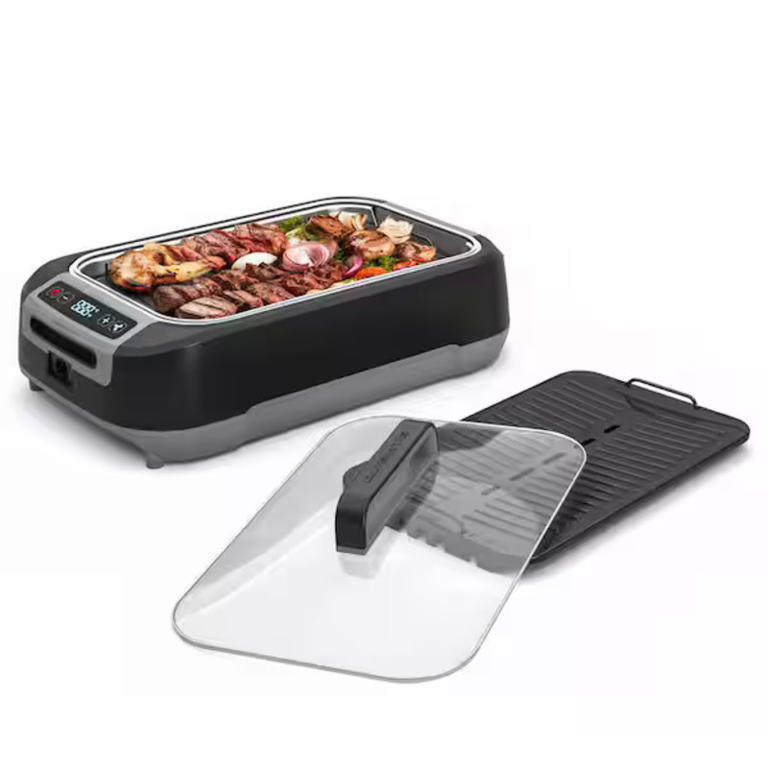
Smokeless grills offer a way to enjoy grilled food without large amounts of smoke. They are great for indoor use and places with smoke restrictions.
These grills come in different styles and designs. Each type fits different cooking needs and spaces.
Electric Smokeless Grills
Electric smokeless grills use electric heating elements to cook food. They produce less smoke because of controlled heat and drip trays that catch fat.
- Easy to use with adjustable temperature controls
- Good for cooking indoors without smoke buildup
- Many models have non-stick surfaces for easy cleaning
- They require a power source to operate
Indoor Smokeless Grills
Indoor smokeless grills are made specifically for inside use. They usually have features to reduce smoke and odors.
| Feature | Description |
| Smoke Reduction | Built-in vents and trays to limit smoke |
| Compact Size | Fits on kitchen counters and small spaces |
| Easy Cleaning | Removable parts that can be washed |
| Power Source | Electricity or battery powered |
Portable Smokeless Grills
Portable smokeless grills are small and easy to carry. They work well for picnics, camping, or small balconies.
Key benefits of portable smokeless grills:
- Lightweight and compact design
- Quick heating and cooking
- Low smoke output for safe use in small areas
- Battery or electric power options
Effectiveness In Reducing Smoke
Smokeless grills aim to cut down the smoke that comes from grilling. They use special designs to reduce smoke from dripping fat and high heat.
This guide looks at how well smokeless grills work to lower smoke in different situations.
Performance In Real Use
In real kitchens, smokeless grills often produce less smoke than regular grills. They use features like water trays or air filters to catch smoke.
Still, some smoke appears when cooking fatty foods or using high heat. The grills do not stop all smoke but cut it down a lot.
Factors Influencing Smoke Levels
The amount of smoke depends on the food type, grill temperature, and grill design. Fatty meats create more smoke when the fat drips.
- Food type: Lean meats produce less smoke than fatty ones
- Heat level: Higher heat causes more smoke
- Grill features: Water trays and lids reduce smoke
- Cleaning: A clean grill makes less smoke
These factors change how smoky your cooking will be on a smokeless grill.
User Experiences And Reviews
Many users say smokeless grills lower smoke well indoors. They like cooking without strong smoke smell.
Some users note that smoke still comes out with oily foods or long grilling times. Cleaning the grill often helps reduce smoke.
- Positive: Less smoke in small spaces
- Negative: Not fully smoke-free with fatty foods
- Tip: Use moderate heat and clean regularly
Health And Safety Considerations
Smokeless grills claim to reduce smoke while cooking. This can affect your health and safety at home. It is important to know how these grills impact air quality and what risks they may have.
Understanding proper maintenance helps keep the grill safe. This guide covers air quality, risks, benefits, and safety tips for smokeless grills.
Air Quality Impact
Smokeless grills produce less smoke than traditional grills. This helps reduce harmful particles in the air. Less smoke means fewer irritants that can affect your lungs.
These grills often use electric heat or special filters. They cut down on smoke but may still release small amounts of fumes. Good ventilation is still needed when grilling indoors.
Potential Risks And Benefits
Smokeless grills lower smoke exposure, which can protect your lungs. They reduce the risk of breathing problems caused by smoke.
Still, some risks remain. Cooking meat at high heat can produce harmful chemicals. These chemicals might affect health if eaten often. Use proper cooking methods to reduce these risks.
- Benefit: Less smoke means cleaner air indoors
- Benefit: Easier to use in small spaces
- Risk: Possible release of small fumes
- Risk: High heat can create harmful chemicals in food
Maintenance Tips For Safety
Keeping your smokeless grill clean is key for safety. Clean grills work better and produce less smoke or fumes.
Check filters and parts regularly. Replace any worn or damaged pieces. Follow the manufacturer’s instructions for cleaning and care.
- Clean grill plates after each use
- Remove and wash filters regularly
- Inspect electrical parts for damage
- Keep the grill in a well-ventilated area
Comparing Smokeless Grills To Traditional Grills
Smokeless grills promise to reduce smoke while cooking indoors. Traditional grills use charcoal or gas and create more smoke. This guide compares their flavor, speed, and cleanup.
Understanding these differences helps you choose the best grill for your needs and space.
Flavor Differences
Traditional grills give food a smoky, charred taste. This flavor comes from burning wood, charcoal, or gas flames. Smokeless grills use electric heating and do not produce much smoke.
Foods cooked on smokeless grills taste cleaner but lack the smoky aroma. Many users say the flavor is milder and less rich.
Cooking Speed And Efficiency
| Feature | Smokeless Grill | Traditional Grill |
| Heat Source | Electric heating element | Charcoal or gas flames |
| Preheat Time | Usually under 5 minutes | 10 to 20 minutes |
| Cooking Speed | Faster for thin cuts | Better for thick cuts and searing |
| Temperature Control | Easy and precise | Less precise, depends on fuel |
Smokeless grills heat quickly and cook fast for simple meals. Traditional grills take longer but can cook bigger cuts with strong heat.
Cleanup And Convenience
Smokeless grills produce less mess and need less cleaning. They do not create ash or grease drips like traditional grills. This makes cleanup easier and faster.
- No ash to remove
- Drip trays catch grease
- Compact size fits indoors
- Electric plugs in anywhere
- Traditional grills need ash and grease disposal
Smokeless grills are better for small spaces and quick use. Traditional grills need outdoor space and more cleanup time.
Tips For Maximizing Smokeless Grill Performance
Smokeless grills promise less smoke for indoor cooking. Yet, some smoke may still appear during use. You can improve your grill’s performance by following a few simple tips.
These tips will help you cook better meals and keep your kitchen cleaner.
Proper Setup And Ventilation
Place your smokeless grill on a flat, stable surface. Make sure it is near a window or under a kitchen hood. This helps remove any smoke that forms.
Avoid using the grill in small, closed rooms. Good airflow reduces smoke and odors.
- Keep the grill away from flammable items
- Use the grill under a vent or near a window
- Open windows to improve air circulation
Choosing The Right Ingredients
Pick ingredients that produce less smoke when grilled. Lean meats and vegetables usually create less smoke than fatty meats.
Marinate your food to reduce smoke and add flavor. Avoid sugary sauces that can burn and cause smoke.
- Use lean cuts of meat
- Choose fresh vegetables
- Marinate food to keep it moist
- Avoid sugary or sticky sauces
Cleaning And Maintenance
Clean your grill after every use. Remove leftover food and grease to prevent smoke buildup. A clean grill works better and lasts longer.
Check the drip tray and empty it often. Regular maintenance stops smoke and keeps your grill safe.
- Clean the grill plate after each use
- Empty and wash the drip tray regularly
- Check for any damage or wear
- Follow the manufacturer’s cleaning instructions
Future Trends In Smokeless Grilling
Smokeless grills are changing how people cook indoors and outdoors. Many wonder if these grills are truly smokeless.
The future of smokeless grilling looks bright with new ideas and growing interest from consumers. Let’s explore what lies ahead.
Innovations In Technology
New technology helps reduce smoke even more. Sensors control heat better to stop burning food.
Some grills use special filters and fans to clean the air. These systems make grilling safer and cleaner inside homes.
- Heat sensors keep temperature steady
- Air filters reduce smoke and odors
- Electric grills with smart controls
- Non-stick surfaces prevent burning
Sustainability And Environmental Impact
Smokeless grills use less fuel and produce fewer emissions. This helps protect the environment.
Many companies focus on eco-friendly materials. These grills are easier to recycle and last longer.
- Lower energy use with efficient designs
- Use of recyclable or biodegradable parts
- Reduced smoke lowers air pollution
- Encourages healthier cooking habits
Market Growth And Consumer Interest
More people want smokeless grills for homes and apartments. These grills fit small spaces well.
Sales of smokeless grills grow as buyers seek easy and clean cooking options. New brands enter the market often.
- Rising demand in urban areas
- Interest in healthy and clean cooking
- More affordable and compact models
- Growing online reviews and user feedback
Credit: www.msn.com
Frequently Asked Questions
What Does “smokeless” Mean In Smokeless Grills?
“Smokeless” means these grills produce significantly less smoke than traditional ones. They use indirect heat or special technology to reduce smoke during cooking.
Are Smokeless Grills Completely Smoke-free?
No, smokeless grills are not entirely smoke-free. They drastically reduce smoke but some smoke can still be produced depending on food and cooking temperature.
How Do Smokeless Grills Reduce Smoke?
They use features like infrared heating, electric coils, or water trays to minimize smoke from fat drippings. This technology limits smoke creation effectively.
Can I Use A Smokeless Grill Indoors Safely?
Yes, smokeless grills are designed for indoor use. They produce less smoke and odors, making them safer and more convenient for indoor cooking.
Conclusion
Smokeless grills reduce smoke but do not eliminate it completely. They work well indoors and help keep air cleaner. You still might notice some smell and light smoke while cooking. These grills are good for small spaces and quick meals.
Think about your needs before choosing one. They offer a convenient way to enjoy grilled food with less mess. Overall, smokeless grills bring grilling closer to home with fewer smoky worries.