

Are you trying to decide between a pellet grill and a gas grill for your next barbecue? Choosing the right grill can change the way you cook and enjoy your meals.
You want something that’s easy to use, gives great flavor, and fits your lifestyle. But which one really delivers more for your time and money? Keep reading, and you’ll discover the key differences that matter most—so you can make the best choice for your backyard and your taste buds.
Pellet Grill Basics
Pellet grills use small wood pellets to cook food. They offer a unique way to grill with smoky flavor.
This type of grill combines technology with traditional smoking. It controls temperature easily for better cooking.
How Pellet Grills Work
Pellet grills use an electric-powered system to feed pellets into a firepot. A fan pushes air to keep the fire burning.
The grill’s controller adjusts the pellet feed and fan speed. This keeps the temperature steady without much effort.
- Pellets fall into a firepot from a hopper
- An igniter lights the pellets
- Fans control airflow for heat and smoke
- Temperature is set on a digital controller
Fuel And Flavor Profiles
Pellet grills use compressed wood pellets made from sawdust. Different wood types add different flavors to food.
Common pellet flavors include hickory, mesquite, apple, and cherry. Each gives a unique smoky taste to your grilled food.
- Hickory: strong, bacon-like flavor
- Mesquite: bold and earthy taste
- Apple: mild and sweet smoke
- Cherry: fruity and slightly sweet
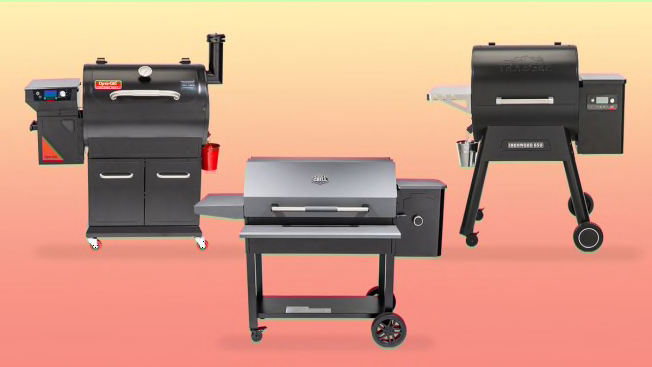
Credit: www.consumerreports.org
Gas Grill Essentials
Gas grills are popular for outdoor cooking. Many people like them for their ease and speed.
This guide explains how gas grills work and their fuel use and convenience.
Gas Grill Operation
Gas grills use propane or natural gas to create heat. The gas flows to burners under the grill grates.
When you turn the knob, the gas ignites with a spark or flame. This heats the grill quickly.
Fuel Efficiency
Gas grills heat up fast and keep steady temperatures. This helps save fuel during cooking.
Using the right burner settings reduces gas use. Keeping the grill lid closed also saves fuel.
- Turn burners to medium for even cooking
- Close the lid to keep heat in
- Check gas tank levels before grilling
Convenience
Gas grills start fast with a push of a button or knob. You do not need to wait for charcoal to light.
They are easy to clean and control. Many models have temperature controls and extra shelves for tools.
- Quick start and stop
- Adjustable heat control
- Easy cleaning with drip trays
Flavor And Cooking Quality
Choosing between a pellet grill and a gas grill depends on your taste and cooking style. Both grills cook food well, but the flavors they produce are different.
Understanding these differences can help you pick the grill that suits your needs best.
Taste Differences
Pellet grills use wood pellets to heat food. This adds a smoky flavor that many people enjoy. The smoke gives meat a rich, deep taste that gas grills often lack.
Gas grills cook with propane or natural gas. They offer a cleaner, more neutral flavor. This lets the natural taste of the meat stand out without extra smoky notes.
- Pellet grills add smoky, wood-flavored taste
- Gas grills provide a clean, natural meat flavor
- Pellet grills often create a more complex flavor profile
- Gas grills heat quickly and cook evenly
Smoke Infusion Impact
Pellet grills produce smoke constantly during cooking. This smoke surrounds the food, giving it a distinct smoked flavor. The wood pellets used can change the taste too, like hickory or applewood.
Gas grills do not create much smoke. They rely on high heat for cooking. You can add smoke boxes or chips, but the effect is less natural and lighter than pellet grills.
- Pellet grills offer steady smoke infusion
- Different wood pellets create varied smoky flavors
- Gas grills produce little to no smoke by default
- Adding smoke to gas grills requires extra tools
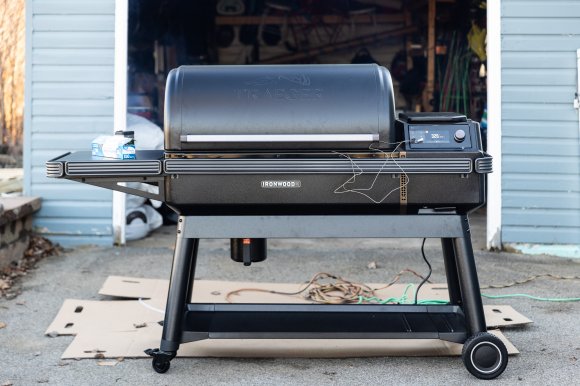
Credit: www.popsci.com
Temperature Control And Versatility
Choosing between a pellet grill and a gas grill depends on how you want to control heat and cook food. Temperature control is key for good grilling. Both grills offer different ways to manage heat and cooking styles.
Versatility matters if you want to try many recipes. Some grills let you smoke, roast, or bake. Others focus on quick grilling. Let’s see how pellet and gas grills compare.
Precision And Stability
Pellet grills use digital controllers to keep the temperature steady. They add wood pellets automatically to keep the heat just right. This gives precise control and steady cooking.
Gas grills heat up fast but can have hot spots. You may need to adjust knobs often. Temperature can change if the lid is open or wind blows. This makes stability less reliable than pellet grills.
- Pellet grills keep temperature within a few degrees
- Gas grills may have uneven heat zones
- Pellet grills use sensors and fans for control
- Gas grills rely on manual knob adjustments
Cooking Options And Flexibility
Pellet grills can smoke, bake, roast, and grill. You can cook low and slow or at high heat. This makes them good for many recipes and styles.
Gas grills heat quickly and are good for searing steaks and burgers. They mostly grill but lack the ability to smoke well. Some gas grills have extra burners or side cookers for more options.
- Pellet grills offer smoking and indirect cooking
- Gas grills excel in fast, direct heat grilling
- Pellet grills can bake and roast like an oven
- Gas grills may have side burners for sauces or sides
Ease Of Use And Maintenance
Choosing between a pellet grill and a gas grill often depends on how easy they are to use and maintain. Both types have their own ways to set up and keep clean.
Understanding these differences helps you pick the right grill for your needs.
Setup And Operation
Pellet grills need a power source to work. You add wood pellets to a hopper, and the grill uses a motor to feed pellets to the fire.
Gas grills connect to a propane tank or natural gas line. You turn a knob to start the flame and adjust heat with controls.
- Pellet grills offer precise temperature control with digital settings.
- Gas grills heat up quickly and are simple to adjust by turning knobs.
- Pellet grills require electricity, so they need a nearby outlet.
- Gas grills work without power, making them good for places without outlets.
Cleaning And Upkeep
Pellet grills produce ash from burned wood pellets. You must empty the ash regularly to keep the grill clean and working well.
Gas grills do not make ash but can get greasy. Cleaning the grates and burners often helps prevent flare-ups.
- Empty the pellet grill’s ash tray after each use.
- Clean grease traps on gas grills to avoid buildup.
- Wipe down both grills after cooking to remove residue.
- Check pellet grills for pellet jams or motor issues.
- Inspect gas grills for leaks and burner blockages.
Cost Considerations
Choosing between a pellet grill and a gas grill means thinking about money. Costs can differ a lot at the start and over time.
Knowing these costs helps you pick the grill that fits your budget best.
Initial Investment
Pellet grills usually cost more at first. They have smart tech that raises the price. Gas grills are often cheaper to buy.
- Pellet grill price range: $300 to $1500
- Gas grill price range: $150 to $800
- Pellet grills need pellets to work
- Gas grills use propane or natural gas tanks
Long-term Expenses
Pellet grills need wood pellets, which cost money over time. Gas grills need fuel, which can be cheaper or cost more based on use.
| Cost Type | Pellet Grill | Gas Grill |
| Fuel Price | $15 to $20 per 20 lb bag of pellets | $15 to $25 per propane tank refill |
| Maintenance | Cleaning ashes and parts | Cleaning burners and gas lines |
| Parts Replacement | Occasional pellet feeder repairs | Possible burner or ignition replacement |
Portability And Space
Choosing between a pellet grill and a gas grill often depends on how portable they are. Space also plays a big role in where you can keep and use your grill.
This section looks at grill size and mobility, and storage needs for both types of grills.
Grill Size And Mobility
Pellet grills tend to be bigger and heavier. They often have large hoppers for pellets and complex parts. This makes them less easy to move around.
Gas grills are usually smaller and lighter. Some models are designed for easy transport. This makes gas grills a good choice for camping and tailgating.
- Pellet grills are larger and heavier
- Gas grills can be compact and light
- Gas grills often have wheels or handles
- Pellet grills may need more effort to move
Storage Requirements
Pellet grills need space for pellets and the grill itself. Their size means they need a larger storage area. They are best stored where they are used.
Gas grills are easier to store because of their smaller size. Many models fold or collapse. This helps save space in garages or sheds.
- Pellet grills require more storage space
- Pellets must be kept dry and accessible
- Gas grills often have foldable parts
- Gas tanks need safe storage
Health And Safety Factors
Choosing between a pellet grill and a gas grill involves thinking about health and safety. Both types cook food well, but they differ in emissions and risks.
Understanding how each grill affects your safety helps you make a smart choice. This guide looks at key health and safety points.
Emissions And Safety Risks
Pellet grills burn wood pellets, which create smoke and small amounts of chemicals. Gas grills burn propane or natural gas, producing fewer smoke particles.
Pellet grill smoke can add flavor but may have tiny harmful particles. Gas grills give off less smoke but can leak gas, which is risky.
- Pellet grills produce more smoke and tiny particles
- Gas grills produce less smoke but can leak gas
- Both need good ventilation to reduce health risks
Handling And Operation Safety
Pellet grills use electricity to feed pellets and control heat. This means you must keep them dry and avoid electrical hazards.
Gas grills require careful handling of propane tanks. Leaks can cause fires or explosions if not checked often.
- Keep pellet grills away from water to avoid electric shocks
- Regularly check gas grills for leaks and wear
- Always follow safety instructions for both grill types
Best Uses For Pellet Grills
Pellet grills are popular for their ease of use and ability to add smoky flavors. They work well for slow cooking and smoking meats. Many people choose them for outdoor cooking that requires steady temperature control.
These grills use wood pellets as fuel, which gives food a rich and natural taste. Pellet grills can also grill, bake, and roast, making them versatile for different meals.
Ideal Cooking Styles
Pellet grills shine in slow cooking and smoking. They keep a steady low temperature for hours. This makes them perfect for tenderizing tough cuts of meat.
Besides smoking, pellet grills can grill at higher heat levels. They also work well for baking and roasting, just like an oven. This gives you many ways to prepare your food.
- Smoking brisket, ribs, and pork shoulder
- Slow cooking chicken and turkey
- Grilling burgers, steaks, and vegetables
- Baking pizza, bread, and desserts
- Roasting whole chickens or vegetables
Popular Recipes
Many recipes work well on pellet grills. The slow cooking style is great for classic barbecue dishes. You can also try baked and roasted foods that need even heat.
Here are some favorite recipes to try on a pellet grill. They show how this grill type can handle different foods easily.
- Smoked beef brisket with a dry rub
- Slow-cooked pulled pork sandwiches
- Grilled vegetables with herbs
- Wood-fired pizza with fresh toppings
- Roasted whole chicken with lemon and garlic
- Apple crisp or berry cobbler for dessert
Best Uses For Gas Grills
Gas grills are popular for their convenience and speed. They heat up fast and keep a steady temperature. This makes them great for many cooking styles.
These grills work well for people who want quick meals without waiting long. They also suit common dishes loved by many.
Quick Cooking Needs
Gas grills heat up quickly, which helps with fast cooking. You can start grilling in minutes after turning the knobs. This is perfect for busy days or last-minute meals.
They offer precise temperature control, so you can cook food evenly without burning it. This saves time and effort.
- Weeknight dinners
- Quick snacks like hot dogs
- Cooking small portions fast
- When you want to grill without waiting
Common Dishes
Gas grills are great for making popular grilled foods. They cook meat, vegetables, and seafood well. You can enjoy classic flavors with less fuss.
These grills are easy to adjust, so you can cook many dishes just right. They work well for foods that need medium to high heat.
- Burgers and sausages
- Steaks and chicken breasts
- Grilled vegetables like peppers and corn
- Fish fillets and shrimp

Credit: www.tasteofhome.com
Frequently Asked Questions
What Are The Main Differences Between Pellet And Gas Grills?
Pellet grills use wood pellets for smoky flavor, while gas grills use propane or natural gas. Pellet grills offer more precise temperature control. Gas grills heat up faster and are easier to clean. Both have unique advantages depending on cooking style and taste preference.
Is Pellet Grill Better For Flavor Than Gas Grill?
Yes, pellet grills provide a richer smoky flavor due to wood pellets. Gas grills offer clean, quick cooking but lack the deep smoke taste. Pellet grills are ideal for those who prioritize flavor in slow-cooked foods.
Are Pellet Grills Easier To Use Than Gas Grills?
Gas grills are generally easier to start and use with instant heat. Pellet grills require pellet loading and a digital controller setup. However, pellet grills offer automated temperature control, making long cooks simpler once set up.
Which Grill Type Is More Cost-effective To Operate?
Gas grills are usually cheaper to operate because propane costs less than pellets. Pellet grills use wood pellets that can be pricier but add flavor value. Operating costs depend on grilling frequency and fuel prices in your area.
Conclusion
Choosing between a pellet grill and a gas grill depends on your needs. Pellet grills offer smoky flavor and steady heat control. Gas grills heat up fast and are easy to use. Both types cook food well but give different tastes.
Think about how you like to cook and what fits your style. Either grill can bring great meals to your backyard. The best choice matches your cooking habits and flavor preferences.