
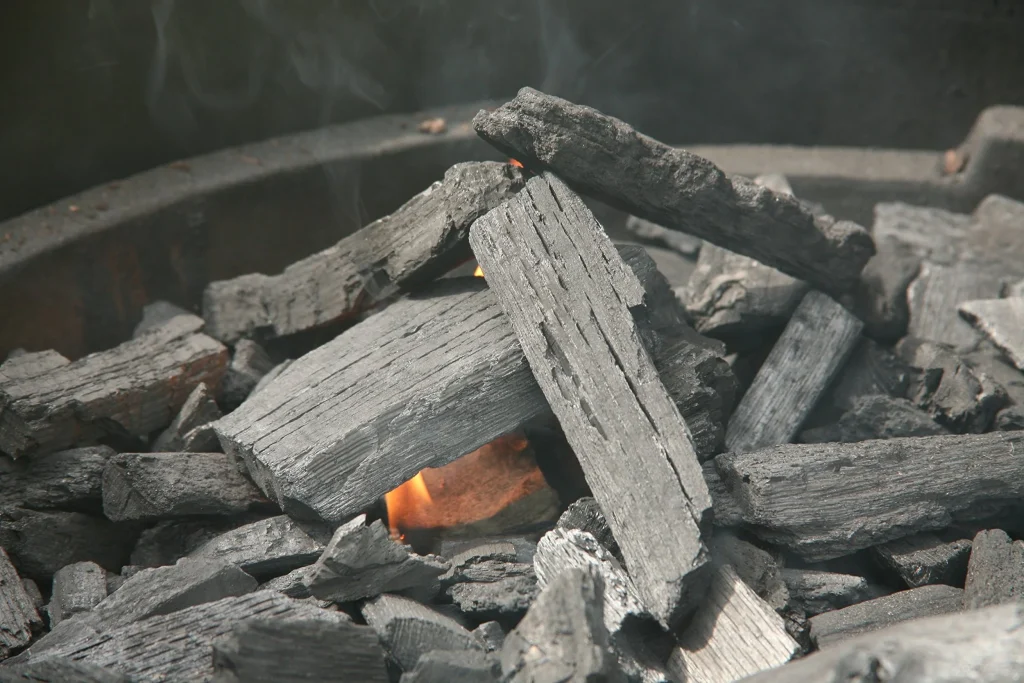
When it comes to grilling, the type of charcoal you choose can make a big difference in your cooking experience and the taste of your food. You might be wondering: is lump charcoal better than briquettes?
The answer isn’t as simple as you think. Each has its own pros and cons that could affect how your barbecue turns out. If you want to get the best flavor, burn time, and heat control, keep reading. This guide will help you decide which charcoal suits your grilling style and takes your outdoor cooking to the next level.

Credit: www.amazon.com
Lump Charcoal Basics
Lump charcoal is a popular fuel for grilling and barbecuing. It burns hotter and cleaner than many other types of charcoal. This makes it a favorite for cooks who want good heat and less ash.
This section explains what lump charcoal is and how it is made. Understanding these basics helps you choose the right charcoal for your needs.
What Is Lump Charcoal
Lump charcoal is made by burning wood in a low-oxygen environment. This process removes water and sap, leaving mostly carbon. The result is irregular pieces of black wood chunks.
- Made from natural wood pieces
- Does not contain fillers or binders
- Lights quickly and burns hot
- Produces less ash than briquettes
- Gives food a smoky flavor
How Lump Charcoal Is Made
Making lump charcoal involves heating wood in a closed container. This process is called carbonization. It removes moisture and volatile compounds from the wood.
| Step | Description |
| 1 | Wood is stacked in a kiln or pit. |
| 2 | Heat is applied without much air. |
| 3 | Wood releases gases and water vapor. |
| 4 | Leftover solid carbon forms lump charcoal. |
| 5 | Charcoal cools and is collected. |
Briquettes Basics
Briquettes are a popular fuel source for grilling and barbecuing. They burn steadily and provide consistent heat. Understanding briquettes helps you choose the right charcoal for cooking.
This section explains what briquettes are and how they are made. Knowing these details can improve your grilling experience.
What Are Briquettes
Briquettes are small blocks made from compressed charcoal dust and other materials. They are shaped to burn evenly and last longer than lump charcoal.
- Made from charcoal powder and binders
- Uniform size and shape
- Burns at a steady temperature
- Easy to stack and store
- Often contain additives for better ignition
How Briquettes Are Made
Briquettes start with charcoal dust from wood or other organic materials. This dust is mixed with binders and fillers to hold it together. The mixture is then pressed into shape and dried.
| Stage | Description |
| Raw Material | Charcoal dust and additives |
| Mixing | Combine charcoal with binders |
| Pressing | Shape into uniform blocks |
| Drying | Remove moisture to harden briquettes |
| Packaging | Prepare for sale and storage |
Heat And Burn Time
Choosing between lump charcoal and briquettes can affect your cooking. Heat and burn time are key factors to consider for grilling success.
Both types provide fuel, but they differ in temperature control and how long they burn. Understanding these differences helps you pick the right charcoal.
Temperature Control
Lump charcoal lights faster and burns hotter than briquettes. This makes it easier to reach high cooking temperatures quickly.
- Lump charcoal temperature: 700°F to 900°F
- Briquettes temperature: 400°F to 700°F
- Lump charcoal produces less ash, improving airflow
- Briquettes burn more evenly due to uniform shape
Burn Duration
Briquettes burn longer and provide steady heat for slow cooking. Lump charcoal burns faster but with fluctuating heat.
| Charcoal Type | Average Burn Time | Heat Consistency |
|---|---|---|
| Lump Charcoal | 30 to 60 minutes | Variable heat |
| Briquettes | 60 to 90 minutes | Steady heat |
Flavor Impact
Choosing the right charcoal affects the flavor of your food. Lump charcoal and briquettes burn differently. This changes the taste and aroma of grilled dishes.
Understanding flavor differences helps you pick charcoal that fits your cooking style. Let’s explore how lump charcoal and briquettes compare.
Taste Differences
Lump charcoal is made by burning wood pieces with little air. It gives a natural smoky flavor. Briquettes are made from compressed sawdust and additives. This can mask the wood taste.
- Lump charcoal adds a rich, wood-fired flavor.
- Briquettes provide a consistent but milder taste.
- Lump charcoal can vary in flavor depending on wood type.
- Briquettes burn evenly but may have chemical notes.
Smoke Production
Smoke affects how food tastes and smells. Lump charcoal produces less smoke and burns hotter. Briquettes create more smoke for longer periods.
| Charcoal Type | Smoke Amount | Burn Temperature | Burn Time |
|---|---|---|---|
| Lump Charcoal | Low to Moderate | High | Shorter |
| Briquettes | Moderate to High | Medium | Longer |
Ease Of Use
Choosing between lump charcoal and briquettes can affect how easy your grilling is. Both types have different features that impact lighting, setup, and cleanup.
Understanding these differences helps you pick the best option for your cooking style and time.
Lighting And Setup
Lump charcoal lights faster than briquettes because it is natural wood that burns quickly. It needs less time to get hot and ready for cooking.
Briquettes take longer to light because they are made of compressed charcoal dust and additives. They burn evenly but need more patience during setup.
- Lump charcoal starts burning in about 10-15 minutes
- Briquettes take 15-20 minutes to fully ignite
- Lump charcoal produces more sparks when lighting
- Briquettes hold a steady temperature for longer
Ash Cleanup
Lump charcoal leaves less ash because it is pure wood. This means cleaning your grill is faster and easier after cooking.
Briquettes create more ash due to the fillers and binders used in making them. You may need extra time to remove the ash completely.
- Lump charcoal ash is light and easy to sweep away
- Briquettes ash is heavier and can build up quickly
- Less ash means better airflow for your grill next time
- More ash may block vents and slow cooling
:max_bytes(150000):strip_icc()/sea-the-good-charcoal-company-lump-charcoal-meghan-splawn-07-16491111a6c64c5c9d7b4779bf5e25d9.jpeg)
Credit: www.seriouseats.com
Cost Considerations
Choosing between lump charcoal and briquettes often depends on cost. Understanding how they compare helps you decide which fits your budget.
Price affects not only your initial purchase but also how often you need to buy more fuel for cooking.
Price Comparison
Lump charcoal usually costs more per bag than briquettes. This is because it is made from natural wood chunks without additives. Briquettes are made from compressed sawdust and other materials, making them cheaper to produce.
| Type | Average Cost per 10 lbs | Burn Time | Heat Output |
| Lump Charcoal | $15 – $25 | Shorter | Higher |
| Briquettes | $8 – $12 | Longer | Lower |
Value For Money
Even though lump charcoal costs more, it burns hotter and faster. This means you might use less charcoal per cook. Briquettes burn longer but at a lower heat, which may need more fuel for some recipes.
- Lump charcoal heats quickly and reaches high temperatures.
- Briquettes offer steady heat for longer cooking times.
- Lump charcoal contains no fillers or chemicals.
- Briquettes are easier to light and maintain.
- Cost per cook can vary based on cooking style.
Environmental Effects
Choosing between lump charcoal and briquettes impacts the environment in different ways. This section looks at two key factors: sustainability and chemical additives.
Understanding these factors can help you decide which option is better for the planet.
Sustainability
Lump charcoal is made by burning wood slowly without oxygen. It often comes from hardwood trees. Briquettes combine charcoal with other materials to form uniform shapes.
- Lump charcoal usually uses less processed wood, meaning fewer chemicals.
- Briquettes may include sawdust and fillers from various sources.
- Some lump charcoal comes from sustainable forests, but not all.
- Briquettes are often made from recycled wood waste.
- Both types can cause deforestation if not sourced responsibly.
Chemical Additives
Briquettes often contain added chemicals to help them light easily and burn evenly. Lump charcoal usually does not have these additives.
| Type | Common Additives | Environmental Impact |
|---|---|---|
| Lump Charcoal | None or natural bark | Lower chemical pollution |
| Briquettes |
| May release toxins when burned |
Best Uses For Each
Lump charcoal and briquettes are popular choices for grilling. Each has different qualities that suit certain cooking needs.
Choosing the right charcoal helps you cook food perfectly. It depends on what you want to grill and your grill type.
Ideal Cooking Styles
Lump charcoal lights quickly and burns hot. It works well for fast, high-heat cooking like searing steaks.
Briquettes burn evenly and last longer. They are good for slow cooking and smoking meats.
- Lump charcoal: grilling burgers, steaks, quick vegetables
- Briquettes: smoking ribs, slow roasting, low and slow barbecue
Grill Types Compatibility
Lump charcoal fits well in charcoal grills that allow air control. Its quick burn suits grills needing fast heat.
Briquettes are ideal for grills designed for steady heat. They work well in smokers and kettle grills.
- Lump charcoal: kamado grills, open charcoal grills, portable grills
- Briquettes: kettle grills, smokers, large charcoal grills
:max_bytes(150000):strip_icc()/sea-big-green-egg-natural-oak-and-hickory-lump-charcoal-meghan-splawn-03-28f761ea25c94884ae6465bb6173cfdd.jpeg)
Credit: www.seriouseats.com
Frequently Asked Questions
What Is Lump Charcoal Made Of?
Lump charcoal is made from natural hardwood pieces, which are carbonized through a controlled burning process. This results in irregular shapes and sizes. It contains no additives or fillers, making it a pure fuel source. This purity often leads to a cleaner and hotter burn compared to briquettes.
How Do Briquettes Differ From Lump Charcoal?
Briquettes are uniform in size and shape, made from compressed sawdust and additives. These additives help maintain consistent burning. While they burn longer than lump charcoal, they can produce more ash. The choice between them often depends on grilling needs and personal preferences.
Which Burns Hotter, Lump Charcoal Or Briquettes?
Lump charcoal typically burns hotter than briquettes due to its natural composition. This makes it ideal for searing and quick grilling. Briquettes, on the other hand, offer a steadier, longer burn, which is suitable for slow cooking. Choosing between them depends on the cooking style desired.
Does Lump Charcoal Produce Less Ash?
Yes, lump charcoal generally produces less ash compared to briquettes. Its natural composition results in cleaner combustion. This reduces the amount of ash left behind, making cleanup easier. However, the ash production can vary depending on the specific type of wood used for the lump charcoal.
Conclusion
Choosing between lump charcoal and briquettes depends on your grilling needs. Lump charcoal burns hotter and lights faster. Briquettes burn longer and give steady heat. Both have pros and cons for different cooking styles. Think about flavor, cooking time, and budget.
Experiment to find what suits your taste best. Good grilling is about what works for you. Enjoy your next barbecue with confidence and fun.