

Have you ever wondered if your favorite weekend activity—charcoal grilling—is harming the environment? You might enjoy the smoky flavor and the fun of cooking outdoors, but what about the hidden impact on the planet?
Understanding the true effects of charcoal grilling can help you make smarter choices that protect the environment without giving up the grill. Keep reading to discover the surprising facts and simple tips that can make your grilling greener.
Credit: www.goodrx.com
Charcoal Grilling Basics
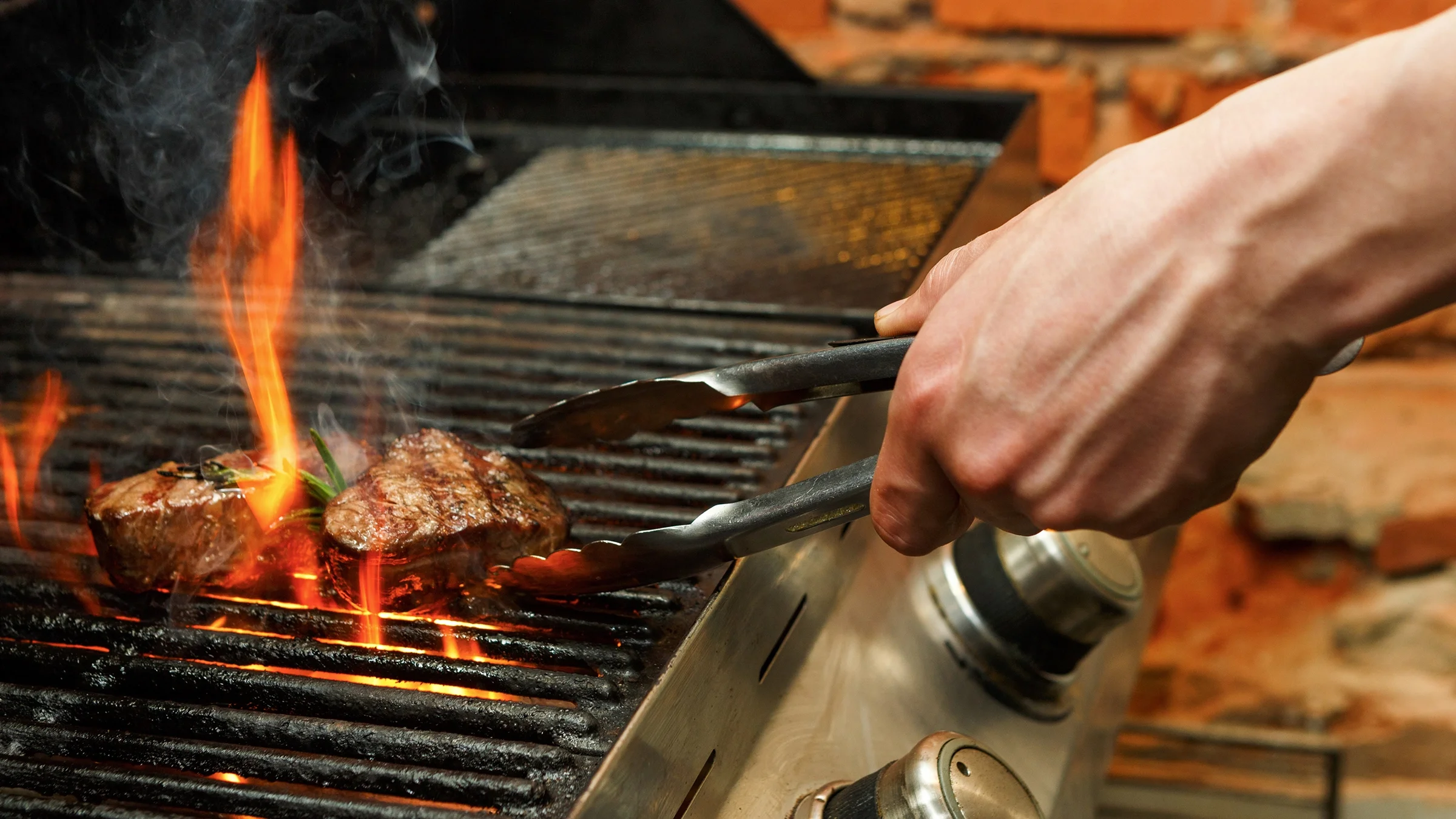
Charcoal grilling is a popular outdoor cooking method. It uses charcoal as the heat source to cook food.
This method gives food a smoky flavor many people enjoy. Understanding how it works helps you use it safely.
How Charcoal Grilling Works
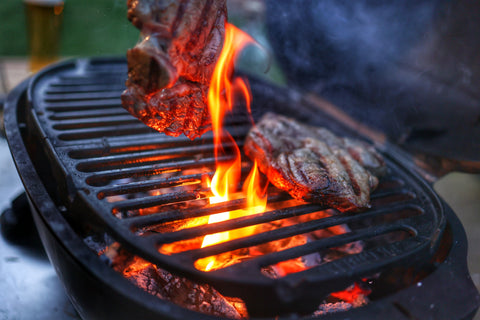
Charcoal grilling uses burning charcoal to create heat. The charcoal heats up and cooks the food placed on the grill.
- Light the charcoal with a firestarter or lighter fluid.
- Wait until the charcoal turns gray and ashy.
- Place the food on the grill above the hot charcoal.
- Control heat by adjusting air vents or moving charcoal.
Types Of Charcoal Used
There are different types of charcoal for grilling. Each type burns differently and affects flavor.
| Type | Description | Burn Time | Smoke Level |
| Charcoal Briquettes | Compressed charcoal and additives | Long | Medium |
| Natural Lump Charcoal | Pure wood charcoal pieces | Short | Low |
| Instant Light Charcoal | Briquettes with quick lighting chemicals | Medium | High |

Credit: www.siuhaau.com
Environmental Impact Of Charcoal
Charcoal grilling is popular worldwide. It uses charcoal made from wood. This process affects the environment in many ways.
Understanding the impact helps us make better choices. We look at carbon emissions, deforestation, and air pollution.
Carbon Emissions From Charcoal
Charcoal produces carbon dioxide when burned. This gas adds to global warming. Charcoal making also releases methane and other gases.
- Burning charcoal emits carbon dioxide (CO2).
- Charcoal production releases methane (CH4).
- These gases trap heat in the atmosphere.
- They increase the risk of climate change.
Deforestation And Charcoal Production
Charcoal is made from cutting trees. This causes deforestation in many areas. Trees help clean air and store carbon.
| Impact | Effect |
| Tree Cutting | Loss of forest cover |
| Soil Erosion | Less fertile land |
| Wildlife Loss | Habitat destruction |
| Carbon Storage | Reduced ability to absorb CO2 |
Air Pollution Concerns
Charcoal grilling releases smoke and particles. These can harm health and pollute the air. Small particles cause breathing problems.
Common pollutants from charcoal grilling include:
- Particulate matter (PM2.5)
- Carbon monoxide (CO)
- Volatile organic compounds (VOCs)
- Polycyclic aromatic hydrocarbons (PAHs)
Comparing Charcoal With Other Grilling Methods
Grilling is a popular way to cook food outdoors. People use different types of grills like charcoal, gas, and electric.
Each grilling method has different effects on the environment. It is important to know how charcoal compares to others.
Charcoal Vs Gas Grills
Charcoal grills burn wood charcoal, which produces smoke and carbon emissions. This adds to air pollution.
Gas grills use propane or natural gas. They burn cleaner and create fewer pollutants than charcoal grills.
- Charcoal releases more carbon dioxide than gas.
- Gas grills start and cook faster, saving fuel.
- Charcoal smoke can affect air quality around the grill.
- Gas grills produce less smoke and fewer harmful gases.
Charcoal Vs Electric Grills
Electric grills use electricity and do not burn fuel directly. They produce no smoke or carbon emissions.
Charcoal grills release carbon and particulate matter from burning wood. This impacts air quality more.
- Electric grills have zero direct emissions.
- Charcoal grills emit carbon dioxide and smoke.
- Electric grills depend on the source of electricity.
- Charcoal grills use natural materials but create pollution.
Health Risks Linked To Charcoal Grilling
Charcoal grilling is a popular way to cook food outdoors. Many people enjoy the smoky flavor it adds. Still, it can cause health problems.
Understanding the risks helps you make safer choices. Some dangers come from the smoke and chemicals. Others come from how food is cooked.
Smoke And Carcinogen Exposure
Charcoal smoke contains harmful chemicals. These chemicals include carcinogens that may cause cancer. Breathing in this smoke is risky, especially in closed areas.
Grilling also creates substances called polycyclic aromatic hydrocarbons (PAHs). PAHs form when fat drips on hot charcoal. These can stick to your food and harm your health.
- Breathing charcoal smoke can irritate lungs
- Carcinogens in smoke may increase cancer risk
- PAHs stick to grilled food and enter the body
- Exposure is higher near the grill and in enclosed spaces
Food Contamination Risks
Charcoal grilling can cause food contamination. If food is not cooked properly, bacteria can survive. This can lead to food poisoning.
Cross-contamination happens when raw meat juices touch cooked food. Using the same utensils for raw and cooked food spreads germs. Cleaning hands and tools helps stop this.
- Undercooked meat may contain harmful bacteria
- Raw meat juices can contaminate cooked food
- Using separate tools for raw and cooked food is safer
- Washing hands reduces contamination risk
Sustainable Alternatives And Practices
Charcoal grilling can impact the environment by releasing carbon and using wood resources. Choosing better options helps reduce this harm. Simple changes can make grilling more eco-friendly and fun.
Using sustainable charcoal and smart grilling habits lowers pollution. It also saves trees and supports cleaner air. Here are ways to grill with less impact on nature.
Eco-friendly Charcoal Options
Pick charcoal made from renewable or recycled materials. These burn cleaner and use less energy. Look for products with certifications or labels showing they are eco-friendly.
- Bamboo charcoal: fast-growing bamboo is a good wood alternative.
- Compressed coconut shells: uses waste from coconut farming.
- Charcoal briquettes with natural binders: avoid chemicals and additives.
- Electric or gas charcoal starters: reduce lighter fluid use.
Tips For Greener Grilling
Try these steps to lower your grilling impact. Small actions add up to big benefits for the planet.
| Practice | Benefit |
| Use a chimney starter | Less lighter fluid pollution |
| Grill with lid closed | Less fuel needed |
| Clean grill regularly | Better efficiency |
| Choose local charcoal | Reduces shipping emissions |
| Reuse ashes in garden | Recycles nutrients |
Credit: globalticltd.co.uk
Future Of Grilling And Environment
Grilling remains a popular cooking method worldwide. Its impact on the environment raises many questions.
Understanding new trends and rules helps us grill with less harm to nature.
Innovations In Grilling Technology
New grilling tools aim to reduce smoke and carbon emissions. These changes protect the air and lower pollution.
- Electric and gas grills produce less smoke than charcoal.
- Infrared grills cook food faster and use less fuel.
- Smart grills control temperature to avoid wasting energy.
- Eco-friendly charcoal made from coconut shells or wood waste is emerging.
Regulations And Environmental Policies
Governments set rules to limit pollution from grilling. These laws guide safe and clean cooking practices.
| Policy | Purpose | Impact |
| Charcoal production limits | Reduce deforestation | Protects forests |
| Emissions standards | Lower air pollution | Cleaner air |
| Waste disposal rules | Prevent soil damage | Healthier land |
| Incentives for electric grills | Promote clean cooking | Less carbon output |
Frequently Asked Questions
Is Charcoal Grilling Harmful To The Environment?
Charcoal grilling releases carbon dioxide and particulate matter, contributing to air pollution. The production of charcoal involves deforestation, impacting ecosystems. Opting for sustainable charcoal or alternative grilling methods can reduce environmental impact. Making informed choices can help minimize harm to the environment.
Does Charcoal Grilling Contribute To Air Pollution?
Yes, charcoal grilling emits carbon dioxide and particulates, which contribute to air pollution. These emissions can affect air quality and contribute to climate change. Choosing eco-friendly grilling options can help reduce air pollution from grilling activities.
What Are Eco-friendly Charcoal Alternatives?
Eco-friendly alternatives include electric grills, gas grills, and solar-powered grills. These options produce fewer emissions and are more sustainable. If you prefer charcoal, consider using sustainably sourced or lump charcoal, which is less harmful to the environment.
How Can I Reduce The Environmental Impact Of Grilling?
To minimize environmental impact, choose sustainably sourced charcoal or alternative grilling methods like gas or electric. Use reusable grilling tools and avoid disposable items. Be mindful of cooking times to conserve energy and reduce emissions.
Conclusion
Charcoal grilling releases smoke and carbon dioxide. These gases can harm the air and climate. Choosing cleaner fuel options helps reduce this impact. Using sustainable charcoal made from wood waste is better. Limiting grilling time and amount also makes a difference.
Small changes add up to protect nature. Everyone can enjoy grilling while caring for the earth. Simple steps lead to a healthier environment for all.