
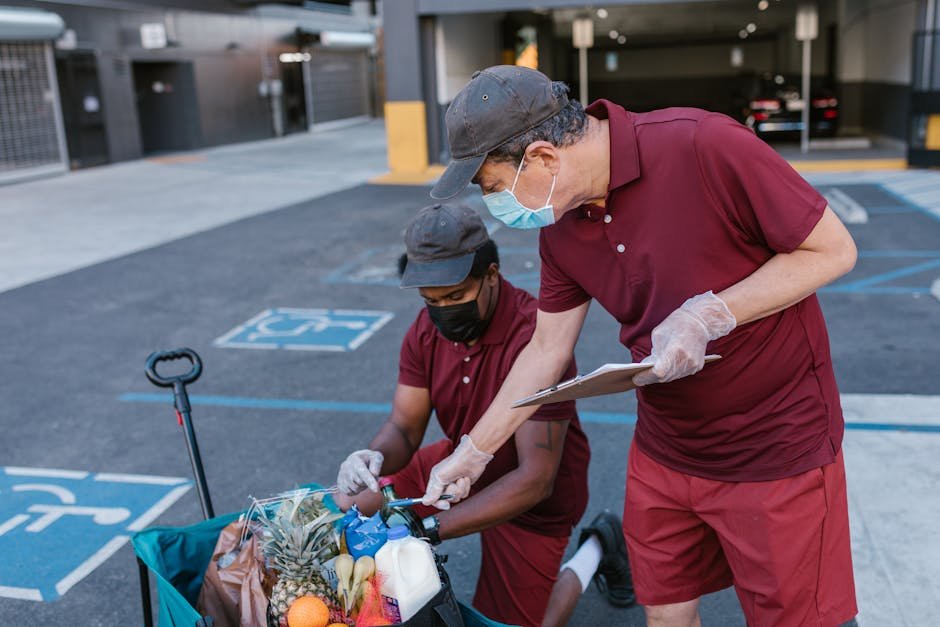
Are you sure you’re wearing gloves the right way when handling food? It might seem simple, but using gloves incorrectly can lead to contamination and food safety risks.
You’ll discover the easy steps to put on, use, and remove gloves properly. By following these tips, you’ll protect your customers and keep your kitchen safe. Keep reading to learn how small changes in glove use can make a big difference in food hygiene.
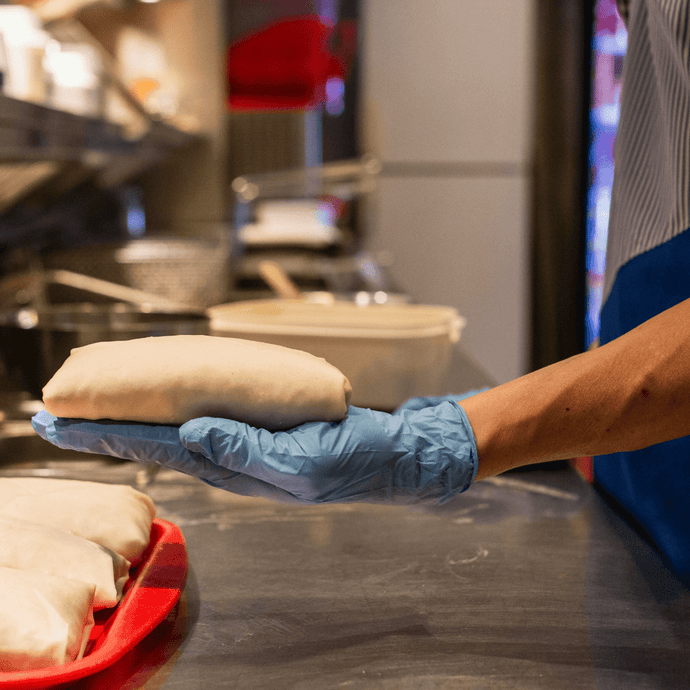
Credit: ecogloves.co
Choosing The Right Gloves
Food handling gloves come in various types. Common ones include latex, vinyl, and nitrile. Each type suits different tasks and budgets.
Latex glovesare stretchy and fit well but may cause allergies. Vinyl glovesare cheaper but less durable. Nitrile glovesresist punctures and chemicals, making them ideal for many food tasks.
| Glove Type | Material Safety | Allergy Risk | Best For |
|---|---|---|---|
| Latex | Natural rubber | High | General food handling |
| Vinyl | Plastic | Low | Short tasks |
| Nitrile | Synthetic rubber | Low | Heavy-duty tasks |
Choosing the correct glove sizeis important. Gloves that are too tight can tear easily. Gloves that are too loose reduce grip and safety. Proper fitting gloves ensure comfort and reduce contamination risks.

Credit: extension.umn.edu
Preparing Gloves Before Use
Start with clean hands. Use warm water and soap. Scrub all parts of your hands for at least 20 seconds. Rinse well and dry with a clean towel or air dryer.
Check gloves carefully for holes or tears before use. Damaged gloves can let germs through. Never use gloves that look weak or dirty.
- Keep hands away from your face while wearing gloves.
- Change gloves if they become dirty or torn.
- Do not touch surfaces not related to food handling.
- Always wash hands before putting on new gloves.
Correct Glove Wearing Techniques
Start with clean, dry hands. Choose the right glove size for comfort. Hold the glove by the cuff to avoid touching the outside. Slide your hand into the glove, making sure fingers fit well. Pull the cuff over your wrist for full coverage.
Touch only food or food contact surfaces with your gloved hands. Avoid touching your face, hair, phone, or any non-food items. This helps stop germs from spreading to food.
Change gloves after handling raw meat, fish, or poultry. Always change gloves if they get torn or dirty. Replace gloves between tasks to keep food safe. Wash hands before putting on a new pair.

Credit: www.saraglove.com
Maintaining Hygiene While Wearing Gloves
Gloves must be changedregularly to keep food safe. Change gloves:
- After touching raw food
- When gloves get torn or dirty
- After handling money or trash
- Before touching cooked or ready-to-eat food
- When moving from one task to another
Cross-contaminationcan happen if gloves are not changed. Always avoid touching different food types with the same gloves. Use clean gloves to stop germs from spreading.
Use gloves with other protective gearlike aprons and hairnets. Keep hands clean by washing before wearing gloves. Gloves do not replace hand washing but add an extra layer of protection.
Disposing Of Gloves Safely
Proper removalof gloves keeps hands clean and stops germs from spreading. Pinch the outside of one glove near the wrist. Pull it down, turning it inside out as you remove it. Hold the removed glove in your gloved hand. Slide fingers of the ungloved hand under the wrist of the remaining glove. Pull it off inside out, trapping the first glove inside. Dispose of gloves immediately in a designated waste bin. Avoid touching your face or other surfaces before washing hands.
Follow these waste disposal guidelines:
- Use bins marked for contaminated waste.
- Do not reuse disposable gloves.
- Seal waste bags tightly before disposal.
- Wash hands thoroughly after glove removal.
Environmental considerationsmatter. Use gloves made from biodegradable materials when possible. Avoid throwing gloves in nature or regular trash. Proper disposal helps reduce pollution and protect animals.
Frequently Asked Questions
Why Is Wearing Gloves Important In Food Handling?
Wearing gloves prevents cross-contamination and protects food from germs. It ensures hygiene and food safety, reducing illness risk. Gloves act as a barrier between hands and food, especially in raw or ready-to-eat items. Proper glove use is essential in maintaining health standards.
How Do You Put On Gloves Correctly For Food Safety?
First, wash and dry your hands thoroughly. Then, select the right glove size to avoid tears. Put on gloves carefully without touching the outside surface. Avoid touching your face or other surfaces once gloves are on. Change gloves regularly to maintain hygiene.
When Should Gloves Be Changed During Food Handling?
Change gloves after handling raw food, touching waste, or cleaning. Also, change gloves when they tear or become contaminated. Avoid wearing gloves for long periods without changing. Changing gloves prevents cross-contamination and maintains food safety compliance.
Can You Reuse Gloves In Food Handling?
No, gloves are single-use and must not be reused. Reusing gloves risks contamination and spreads bacteria. Always discard gloves after one task or when they become dirty. Use new gloves for different tasks to ensure food safety.
Conclusion
Proper glove use ensures food safety and hygiene. Always choose the right size. Clean hands before wearing gloves. Change gloves regularly to prevent contamination. Avoid touching non-food items while wearing them. Dispose of gloves properly after use. These steps help maintain a safe food environment.
Practicing these habits protects both food and health. Remember, clean gloves mean safe food. Keep these tips in mind every time. Your diligence makes a difference. Let’s make food handling safer together.