
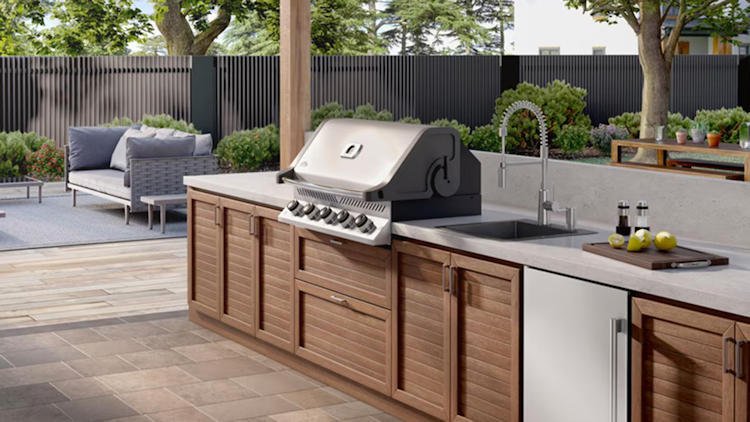
Are you tired of smoke filling your outdoor kitchen every time you grill? It can ruin the fun and make cooking uncomfortable.
But don’t worry—venting smoke properly is easier than you think. You’ll discover simple and effective ways to keep your outdoor cooking area fresh and smoke-free. Keep reading, and you’ll learn how to enjoy your outdoor kitchen without the hassle of lingering smoke.

Credit: www.reddit.com
Choosing The Right Ventilation System
Ventilation is key to keeping your outdoor kitchen smoke-free. Picking the right system makes cooking safer and more pleasant.
This guide covers types of vents and what to think about before choosing one for your space.
Types Of Outdoor Kitchen Vents
Outdoor kitchens use several vent types to clear smoke and heat. Each type fits different cooking styles and spaces.
- Chimney Vents:Tall and vertical, they draw smoke upward and away.
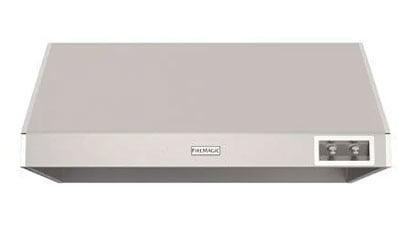
- Range Hoods:Mounted above grills, they capture smoke directly.
- Ductless Vents:Use filters to clean air, good for smaller areas.
- Island Hoods:Hang over center cooking spots for full coverage.
Factors To Consider For Vent Selection
Choosing vents depends on your kitchen size, cooking type, and local rules. These factors help you pick the best fit.
| Factor | What to Check |
| Cooking Type | High heat needs strong vents; low heat may need less power |
| Space Size | Large areas need bigger or multiple vents |
| Local Codes | Check rules for vent placement and noise limits |
| Maintenance | Filters and parts should be easy to clean or replace |
| Power Source | Electric or passive systems depend on your setup |
Credit: www.diychatroom.com
Placement Of Vents For Optimal Smoke Removal
Proper vent placement is key for removing smoke from your outdoor kitchen. Good vent spots help keep the air clear and comfortable.
Placing vents in the right spots also protects nearby areas from smoke buildup. It improves safety and cooking enjoyment.
Ideal Vent Locations
Place vents above the cooking area to catch rising smoke. This helps draw smoke away quickly.
Install vents near wind directions to help push smoke away. Look at how wind moves in your outdoor space.
- Above grills or cooktops
- Near the roofline or chimney
- On the side facing prevailing winds
- Away from seating and dining spots
Avoiding Common Placement Mistakes
Avoid placing vents too low. Smoke can settle and cause poor air flow.
Do not block vents with cabinets or tall structures. This stops smoke from escaping properly.
- Don’t place vents behind wind barriers
- Avoid vents near outdoor seating
- Keep vents clear of plants or decorations
- Do not place vents too far from cooking sources
Diy Vent Installation Tips
Proper ventilation keeps smoke away from your outdoor kitchen. It helps air flow and keeps the area comfortable. Installing a vent yourself saves money and is easier than you think.
This guide shows you the tools and materials needed and the steps to install a vent for your outdoor kitchen smoke.
Tools And Materials Needed
- Vent hood or exhaust fan designed for outdoor use
- Flexible or rigid ducting
- Drill with bits and screwdriver attachments
- Measuring tape
- Caulk and caulk gun
- Metal screws and mounting brackets
- Protective gloves and safety glasses
- Exterior vent cap with a damper
- Silicone sealant to prevent leaks
- Level tool
Step-by-step Installation Guide
- Measure the area above your cooking space to place the vent hood.
- Mark drill holes for mounting brackets on the wall or ceiling.
- Drill holes and attach mounting brackets securely with screws.
- Install the vent hood onto the brackets and fasten it firmly.
- Connect ducting to the vent hood outlet and route it outside.
- Seal all duct joints with silicone sealant to avoid smoke leaks.
- Attach the exterior vent cap with a damper on the outside wall.
- Check all connections and test the vent fan to ensure proper airflow.
- Use caulk to seal any gaps around the vent hood and ducting.
- Wear gloves and safety glasses throughout the installation process.
| Task | Tip |
| Measuring | Use a level to keep the hood straight |
| Drilling | Wear safety glasses to protect eyes |
| Sealing | Apply silicone evenly to avoid leaks |
| Testing | Run fan for 5 minutes and check smoke flow |
Credit: grillio.com
Maintenance For Effective Ventilation
Good ventilation keeps smoke away from your outdoor kitchen. Regular care helps the system work well.
Cleaning and fixing vent parts prevent smoke buildup. This makes cooking safer and more pleasant.
Regular Cleaning Practices
Keep your vents clean to avoid smoke and grease buildup. Clean parts improve air flow and reduce fire risk.
- Remove and wash vent covers monthly.
- Use a brush to clear dust and grease inside ducts.
- Check filters and replace if dirty or worn.
- Wipe down fan blades to keep them free of grease.
- Schedule deep cleanings twice a year for hard-to-reach areas.
Troubleshooting Vent Issues
Look for signs of poor ventilation. Fix issues quickly to keep smoke flowing out.
| Problem | Cause | Solution |
| Smoke stays inside | Clogged vent or fan | Clean vent and fan blades |
| Fan not running | Power or motor issue | Check power and replace motor if needed |
| Unusual noise | Loose parts or debris | Tighten parts and remove debris |
| Grease buildup | Infrequent cleaning | Increase cleaning frequency |
Additional Smoke Control Techniques
Managing smoke in an outdoor kitchen improves air quality and comfort. Using extra control methods helps keep the area clear.
Below are two useful techniques to reduce smoke spread. They work well alongside your main ventilation system.
Using Fans And Air Circulation
Fans help move smoke away from cooking spaces quickly. Proper air circulation prevents smoke from building up.
- Install ceiling or wall-mounted fans near the cooking area.
- Use exhaust fans to pull smoke outside.
- Position fans to direct smoke away from seating and dining spots.
- Combine fans with vents to increase airflow efficiency.
- Regularly clean fan blades to maintain performance.
Incorporating Smoke Filters
Smoke filters trap particles and reduce odors. They help keep the outdoor kitchen environment fresh.
| Filter Type | Purpose | Maintenance |
| Charcoal Filters | Absorb smoke odors | Replace every 6 months |
| HEPA Filters | Trap fine smoke particles | Clean or replace monthly |
| Grease Filters | Catch cooking grease and large particles | Wash weekly |
Frequently Asked Questions
How Can I Vent Smoke From An Outdoor Kitchen Grill?
Use a chimney-style vent hood above your grill. It captures smoke and directs it upward. Ensure proper height and airflow for efficiency.
What Materials Are Best For Outdoor Kitchen Smoke Vents?
Stainless steel is ideal due to durability and rust resistance. It withstands outdoor elements and high heat well, maintaining performance over time.
Do Outdoor Kitchen Vents Reduce Smoke Smell Effectively?
Yes, well-installed vents reduce smoke odor by channeling it away. Adding filters can further minimize lingering smells around your cooking area.
Can Natural Ventilation Replace Mechanical Vents In Outdoor Kitchens?
Natural ventilation helps but is less effective than mechanical systems. Combining both ensures better smoke removal and a more comfortable cooking environment.
Conclusion
Proper smoke ventilation keeps your outdoor kitchen fresh and safe. Use vents or fans to guide smoke away. Place them where air flows freely. Regular cleaning helps prevent blockages and smoke buildup. Good ventilation also protects your neighbors and home.
Simple steps make cooking outside more pleasant. Enjoy your meals without smoke bothering you. A well-ventilated kitchen means happy cookouts every time.