
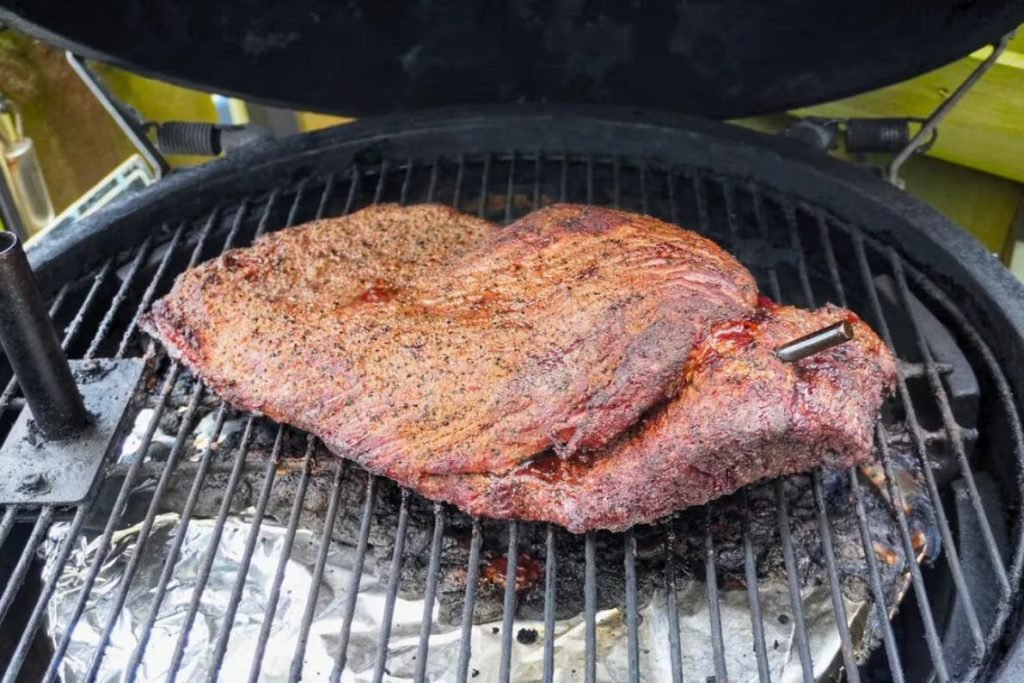
Imagine the perfect bite of smoked brisket: tender, juicy, and bursting with flavor. Achieving this culinary masterpiece isn’t just about the right seasoning or smoking time; it’s about precision.
That’s where your trusty thermometer comes into play. Using a thermometer for smoking brisket can be the difference between dry disappointment and savory success. You might be wondering, how exactly do you use this tool to ensure your brisket is nothing short of perfection?
In this guide, you’ll uncover the secrets to mastering the art of brisket smoking with precision, ensuring every cookout leaves your guests raving. Stay with us, and you’ll soon wield your thermometer like a pro, transforming each brisket into a mouthwatering triumph.
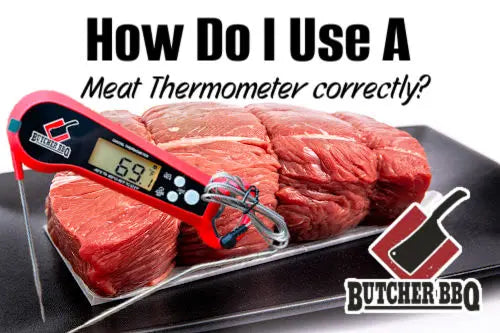
Credit: butcherbbq.com
Choosing The Right Thermometer
Choosing a thermometer with a quick, accurate reading helps keep your brisket juicy and tender. Digital probes with easy-to-read displays work best for smoking. Make sure the thermometer can measure both the smoker’s air and meat temperatures.
Types Of Thermometers For Bbq
- Instant-read thermometers: Give quick temperature readings. Good for checking brisket’s doneness fast.
- Probe thermometers: Stay in the meat while cooking. Show real-time temperature on a screen.
- Wireless thermometers: Send temperature info to your phone. Help monitor from a distance.
Features To Look For
- Easy-to-read display with clear numbers.
- Fast response time to avoid long waits.
- Durable and heat-resistant probe for long cooks.
- Wide temperature range for smoking meats.
- Good battery life or rechargeable options.
Budget Vs. Professional Options
| Aspect | Budget Thermometers | Professional Thermometers |
|---|---|---|
| Price | Affordable, under $30 | Higher cost, $50 and above |
| Accuracy | Good for casual cooks | Highly precise, for serious smokers |
| Features | Basic functions, simple use | Advanced options, wireless, alerts |
| Durability | Suitable for occasional use | Built for frequent, heavy use |
Preparing Your Thermometer
Calibrating your thermometerensures it shows the right temperature. To do this, use ice water or boiling water. Place the probe in ice water, wait for 30 seconds, and check if it reads 32°F (0°C). For boiling water, it should show 212°F (100°C) at sea level. Adjust the thermometer if needed.
Cleaning the probeis very important before use. Wash it with warm, soapy water to remove dirt and germs. Rinse well and dry with a clean cloth. This keeps your food safe and tastes better.
Set up the probes carefully. Insert the probe into the thickest part of the brisket, avoiding bones or fat. Connect the probe to the thermometer device securely. Make sure the wires do not touch hot grill parts to avoid damage.
Inserting The Thermometer Correctly
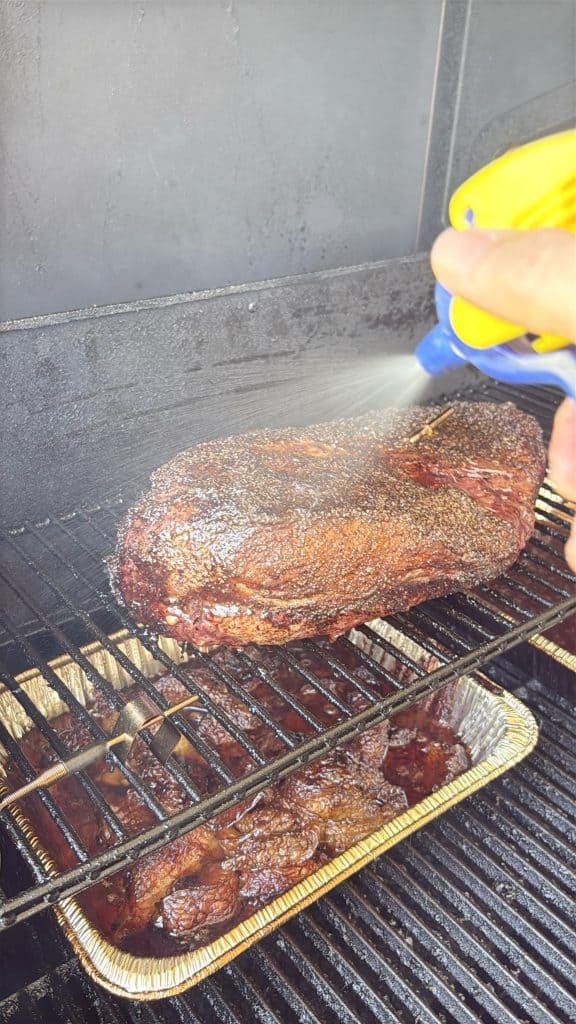
Insert the thermometer probe into the thickest part of the brisket. This area gives the most accurate temperature of the meat.
Avoid touching the bone with the probe. Bone heats faster and can give false high readings.
Stay away from large fat pockets. Fat cooks differently and can affect the temperature reading.
Push the probe deep, but not through the brisket. The tip should be in the center of the meat.
Keep the probe stable during cooking. Moving it can cause sudden temperature changes.
Use a clip or holder to keep the probe in place. This helps maintain steady readings.
Credit: cookingintheyard.com
Monitoring Temperature During Smoking
Smoking brisket needs careful temperature monitoring. The thermometer helps track the internal meat temperatureand smoker heat. This ensures the brisket cooks evenly and stays juicy.
| Target Internal Temperatures | Purpose |
|---|---|
| 195°F to 205°F (90°C to 96°C) | Ideal range for tender, juicy brisket |
| 160°F to 170°F (71°C to 77°C) | Check for stall phase; patience needed |
Consistent heatis key. Keep smoker temperature steady around 225°F to 250°F. Use vents to adjust airflow and control heat.
- Check thermometer readings regularly.
- Open smoker lid briefly to adjust heat.
- Adjust fuel or wood chips as needed.
- Avoid quick temperature swings to prevent drying.
Using Thermometer Alerts And Timers
Setting temperature alarmshelps you keep the brisket at the right heat. You can choose the exact temperature to stop the cooking. This stops overcooking and keeps the meat juicy. The alarm will ring when the brisket reaches the set temperature. This way, you don’t have to watch the smoker all the time.
Tracking cooking progress remotelylets you check the meat from anywhere. Wireless thermometers connect to your phone or tablet. You get live updates about the temperature. This helps you relax or do other things while cooking.
Benefits of wireless thermometersinclude easy use and better control. They have no wires, so you can place them anywhere. You avoid opening the smoker often, keeping heat steady. They also give alerts and let you track the food remotely.

Credit: themeatstick.com
Troubleshooting Common Issues
Inaccurate readingscan happen if the probe is not placed correctly. Insert the probe into the thickest part of the brisket, avoiding fat or bone. Clean the probe before use to avoid false readings. Check the thermometer’s battery; low power can cause errors.
Probe malfunctionsmay occur from damage or dirt. Inspect the probe for bends or breaks. Use a soft cloth to clean it after each use. Avoid dropping or bending the probe sharply.
Environmental factorslike weather and smoker type can affect results. Wind or cold weather may lower smoker temperature. Keep the smoker lid closed to maintain heat. Avoid placing the thermometer near vents or flames for accurate readings.
Tips For Perfect Brisket Every Time
Resting brisket after smoking helps juices settle. It makes the meat tenderand flavorful. Wrap the brisket in foil and leave it for 30 to 60 minutes. This step improves texture and taste.
Double-checking the temperature before serving is important. Use a digital thermometerto ensure the meat is at the safe and ideal temperature of 195°F to 205°F. This confirms the brisket is fully cooked and ready to enjoy.
| Cleaning | Storing |
|---|---|
| Wipe the probe with warm, soapy water after each use. | Store the thermometer in a dry, cool place to protect it. |
| Do not immerse the entire thermometer in water. | Keep the probe covered to avoid damage. |
Frequently Asked Questions
How Do I Insert A Thermometer In Brisket?
Insert the thermometer probe into the thickest part of the brisket. Avoid fat or bone for accurate readings. This ensures you measure the meat’s internal temperature properly.
What Temperature Should Brisket Reach When Smoking?
Smoke the brisket until it reaches 195°F to 205°F internally. This range ensures the meat is tender and fully cooked for the best flavor.
Can I Use A Digital Thermometer For Smoking Brisket?
Yes, digital thermometers provide fast, accurate temperature readings. They are ideal for monitoring brisket during smoking without opening the smoker.
How Often Should I Check Brisket Temperature?
Check the brisket temperature every 30 minutes after the first 2 hours. Frequent checks help prevent overcooking and maintain optimal smoke flavor.
Conclusion
Using a thermometer helps cook brisket just right. It shows the meat’s temperature clearly. This stops overcooking or undercooking. Keep checking the thermometer often. Trust the numbers, not just the time. This makes the brisket juicy and tender. A good temperature guide saves time and stress.
Smoking brisket becomes easier with this tool. Try it on your next barbecue. You will enjoy better, tastier results every time.