
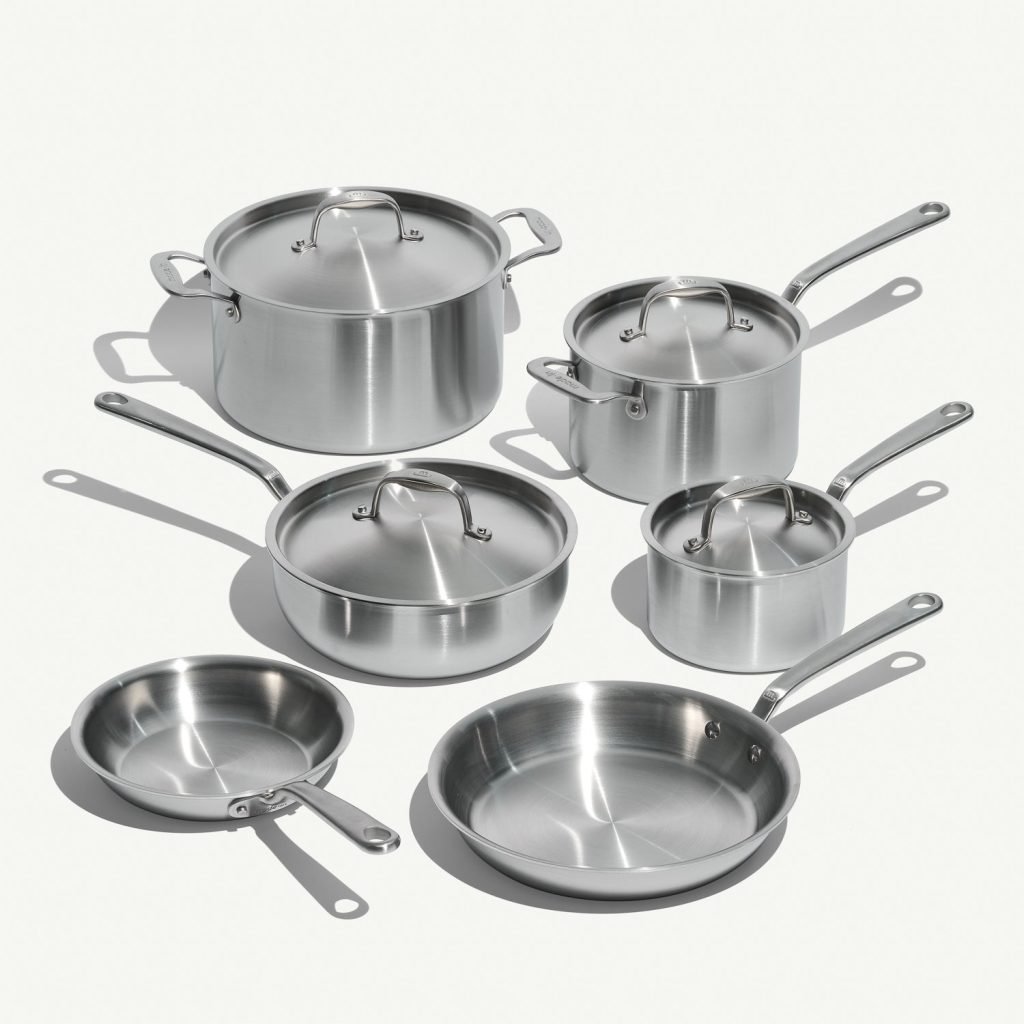
Are you ready to elevate your cooking game with stainless steel cookware? This versatile kitchen essential is not just for professional chefs; it’s perfect for your home kitchen too.
With its durability and ability to distribute heat evenly, stainless steel cookware can transform your culinary creations. But to unlock its full potential, you need to know how to use it correctly. Imagine whipping up meals that have your family and friends begging for seconds, all while enjoying the ease of cleaning and maintaining your cookware.
In this guide, you’ll discover the secrets to mastering stainless steel cookware, ensuring every dish is a triumph. Don’t miss out on these tips that could make your cooking experience more enjoyable and rewarding. Dive in to learn how stainless steel can become your kitchen’s best friend.
Choosing The Right Stainless Steel Cookware
Stainless steel comes in different grades. Higher grade means better quality. 304 stainless steel is common in cookware. It resists rust and stains. 316 grade is even better. It contains molybdenum, which adds strength. Quality cookware is durable and lasts long. Always check the thickness. Thicker steel means less warping. Look for even heating features. This helps in cooking food evenly. Good quality cookware is often heavier. It feels solid and strong. Choose cookware with smooth finishes. This makes cleaning easy. Avoid cookware with rough edges. It can scratch surfaces and hurt fingers.
- Frying pan – Perfect for eggs and pancakes.
- Saucepan – Great for soups and sauces.
- Stockpot – Ideal for boiling pasta and vegetables.
- Sauté pan – Useful for stir-frying meats and veggies.
- Roasting pan – Best for cooking large meats.
Preparing Stainless Steel Cookware
Before using stainless steel cookware, clean it with warm water. Use mild soap for better results. Dry the cookware with a soft cloth. Seasoning helps create a non-stick surface. Rub oil on the inside of the pan. Heat the pan for five minutes. Let it cool and wipe away excess oil. Repeat if necessary. This makes cooking easier.
Preheating is important. Turn on the stove to medium heat. Place the pan on the burner. Wait until it’s warm. Test the heat by dropping water droplets. They should sizzle and dance. This means the pan is ready. Avoid overheating to protect the pan. Use a low flame for delicate foods. This keeps the flavor intact.
Cooking With Stainless Steel
Stainless steelcookware heats up fast. It’s important to control the heat. Start with low heat. Let the pan warm up slowly. This helps food cook evenly. Use medium heat for cooking most foods. High heat can cause burning. Keep an eye on the flame. Adjust as needed.
Food can stick to the pan. Use oil or butter. Coat the pan well. Wait for the pan to get warm. Add food once the pan is ready. Stir often to prevent sticking. Use a spatula to check food. Lift gently to see if it sticks. Clean the pan after each use. This keeps it smooth.

Credit: madeincookware.com
Cleaning And Maintenance
Discover the ease of cooking with stainless steel cookware. Clean with warm soapy water and a soft cloth. Avoid harsh scrubbers to maintain shine.
Daily Cleaning Tips
Wash cookware with warm water and mild dish soap. Use a soft sponge for scrubbing. Dry with a clean towel immediately. Avoid harsh cleaners that can scratch the surface. Stainless steel needs gentle care.
Handling Stubborn Stains
Soak cookware in hot water and baking soda. Use a non-abrasive pad to scrub stains gently. Vinegar can help with lime deposits. For burnt food, boil water with soap in the pan. Scrub once cooled. Patience is key.
Extending The Lifespan
Stainless steel cookware needs special care. Always dry it completely before storing. Wet pans can rust. Stack pots and pans neatly. Use soft liners between them. This prevents scratches. Avoid stacking too high. Heavy pans can dent lighter ones. Choose a cool, dry place for storage. Avoid humid areas. Moisture can damage cookware. Always check for residue. Clean it right away. This keeps pans shiny and bright.
Always heat pans slowly. High heat can warp them. Use the right utensils. Metal spoons can scratch surfaces. Choose wood or plastic. Avoid salt on hot pans. It can cause pits. Don’t use harsh cleaners. They can dull the finish. Always cool before washing. Sudden changes in temperature can damage them. Keep cookware away from strong acids. Vinegar can stain them. Follow these tips to keep cookware safe and sound.
:max_bytes(150000):strip_icc()/ses-primary-stainless-cookware-sets-rkilgore-01-54cc53feba5748cdab8db4719de942ae.jpg)
Credit: www.thespruceeats.com
Benefits Of Stainless Steel Cookware
Stainless steel cookware is safe. It does not react with food. This keeps your food free from harmful chemicals. Many people like this cookware for healthy cooking. It keeps the taste of food pure. No extra flavors are added from the pan. This makes it perfect for cooking everyday meals. You can trust it for healthy eating.
Stainless steel cookware is strong. It lasts for many years. This cookware is tough and does not break easily. It can handle high heat. This means you can use it often. Even if you drop it, it stays in good shape. You save money because you do not need to buy new pans often.

Credit: www.all-clad.com
Frequently Asked Questions
What Is The Trick To Using Stainless Steel Pans?
Preheat the pan well before adding food. Use moderate heat to prevent sticking. Add oil only when hot. Ensure food is dry before cooking. Clean with gentle scrubbing and avoid harsh detergents.
How Do I Keep Food From Sticking To My Stainless Steel Pan?
Preheat your pan properly before adding oil. Use enough oil or butter to coat the surface. Ensure food is dry before cooking. Avoid overcrowding the pan. Clean and maintain your pan regularly to prevent residue build-up.
What Should You Not Cook In Stainless Steel?
Avoid cooking acidic foods, like tomatoes, in stainless steel. Acid can cause metallic taste and discoloration.
What Is The Rule For Stainless Steel Pans?
Use medium heat for cooking with stainless steel pans. Preheat to avoid food sticking. Clean with mild detergent and non-abrasive sponge. Avoid using metal utensils to prevent scratches. Store pans dry to prevent rust.
Conclusion
Mastering stainless steel cookware is simple. Follow the tips discussed earlier. They help in cooking evenly and cleaning easily. Stainless steel pots and pans last long if used properly. Focus on heat control. It’s key for perfect results. Use oil or butter to prevent sticking.
Always allow them to cool before washing. This avoids damage. Regular care maintains their shine and efficiency. Cooking with stainless steel can be enjoyable. It brings out flavors beautifully. Try these techniques. Enjoy delicious meals and a great cooking experience.